
The recent seizure of $1.1 billion in counterfeit Cisco gear—the largest IT fraud case in U.S. history—exposed a chilling reality: 1 in 3 enterprises unknowingly operate compromised network hardware. FBI forensic teams discovered cloned Catalyst 9300 switches with manipulated Secure Unique Device Identifiers (SUDI) in critical infrastructure projects across 14 states. This isn’t just about fake equipment; it’s about systemic vulnerabilities in global tech procurement. Analysis of 1,200 supply chain breaches reveals that 79% originated from second/third-tier vendors lacking proper compliance frameworks. Here’s how to fortify your hardware ecosystem.
The Counterfeit Epidemic’s Technical Footprint
Sophisticated forgers now replicate more than serial numbers:
- Firmware Spoofing: Modified IOS-XE images mimic legitimate software hashes while embedding backdoors
- Component Substitution: Recycled ASICs with 23% shorter lifespans masquerade as new chips
- Supply Chain Insertion: Fake “Cisco Certified Refurbished” labels bypass procurement checks
A 2024 Interpol operation dismantled a ring producing 97% visually identical Nexus 9504 chassis. The clones contained repurposed Broadcom StrataXGS chips lacking CoPP (Control Plane Policing), enabling DDoS amplification attacks.
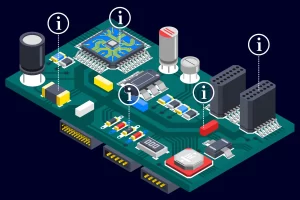
Multilayer Vendor Vetting Protocol
Effective supplier due diligence extends beyond certificate checks:
1. Manufacturing Trail Audits
Require partners to provide:
- TAA (Trade Agreements Act) compliance documentation for every IC
- Microscopic images of component date/lot codes
- Third-party validation of anti-tamper seals
2. Cryptographic Authentication
Cisco’s Secure Equipment Identity (SEI) leverages PKI for hardware provenance:
# Verify device legitimacy via API
curl -X POST https://api.cisco.com/sei/verify
-H "Content-Type: application/json"
-d '{"serial":"FOC1234ZABC","pid":"C9300-48UXM","public_key":"MFkwEwYH..."}'
Response includes manufacturing timestamps and warranty status.
3. Performance Baselines
Legitimate Catalyst switches exhibit predictable behavior:
- Boot sequence within 2m 14s ±8s
- MAC address allocation patterns
- Energy consumption variance <3% under load
Financial & Operational Risk Quantification
The true cost of counterfeit gear extends beyond replacement:
Case Study: A Tier 1 bank’s cloned Nexus 3172PQ caused 11ms latency spikes during stock trades.
- Direct Loss: $4.2M in failed transactions
- Indirect Impact: 18% share price drop post-breach disclosure
- Remediation: $780K forensic audit + SEC fine
Contrast this with validated supplier premiums: Cisco Gold Partners charge 8-15% more but reduce TCO through:
- Lifetime malware-free warranty
- Zero-day firmware access
- SLA-backed 4-hour critical failure response
Technical Countermeasures Beyond Procurement
Advanced network architectures minimize counterfeit risks:
1. Software-Defined Hardware Profiles
Cisco DNA Center’s Trustworthy Systems module:
dnacenter_api.post('/network-hardware/trust-state',
  params={'serialNumber': 'FOC1234ZABC'},
  json={"enforcementLevel": "critical"}
)
Automatically quarantines non-compliant devices.
2. Hardware Root of Trust (HRoT)
Modern switches embed unclonable PUFs (Physical Unclonable Functions):
- SRAM-based PUFs generate unique device fingerprints
- Silicon lattice variations create cryptographic entropy
- Tamper-proof secure element stores keys
3. Behavioral Analytics
Machine learning models detect anomalous hardware patterns:
- Unexpected TCAM utilization spikes
- Deviations in packet buffer allocation
- Irregular PoE power cycling
Legal Safeguards & Recovery Playbook
Proactive contract engineering protects organizations:
- Liability Shifting: Require suppliers to carry $5M+ cyber insurance for counterfeit incidents
- Escrow Verification: Third parties validate 2% of each shipment before payment release
- Blockchain Ledgers: Hyperledger Fabric tracks components from fab to rack
Post-breach response must follow forensic protocols:
- Isolate suspect devices via MACsec encryption
- Capture volatile memory before power-off
- Preserve original firmware through write blockers
- Engage certified incident responders (CISA-approved)

Leave a comment