
Ever stared at a network map fraying at the edges? When your core switching layer wheezes under video calls, IoT sensors, and cloud sync, productivity tanks faster than a failed firmware update. That’s where Huawei S5700 switch hardware description isn’t just specs on paper—it’s the blueprint for bulletproof connectivity. Imagine a switch that scoffs at congestion, scales like digital Silly Putty, and locks down traffic like Fort Knox. But here’s the gut-check: Can stacking these units genuinely future-proof networks against tomorrow’s data tsunamis? Spoiler: It’s not magic—it’s engineering with teeth.
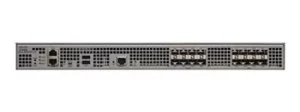
Right out the gate, Huawei S5700 hardware smashes the “dumb switch” stereotype. These aren’t plastic boxes with flashing lights; they’re layered control freaks built for chaos. The hardware DNA starts with modular stacking—no Cisco tax required. Link up to nine switches into one logical beast, sharing 480Gbps backplane bandwidth across your stack. Got a warehouse adding 50 wireless barcode scanners overnight? The S5700 laughs. Slot in extra modules for 10GbE uplinks, or PoE+ to juice security cameras without rewiring ceilings. Port density stretches to 48 ports per unit, all while hot-swappable power supplies and fans keep downtime theoretical. Translation? When HR schedules another all-hands Zoom meeting, your network doesn’t break a sweat.
But can stacking these actually handle next-level demands? Bet on it. Here’s why: The Huawei S5700 switch treats network storms like a rain dance. MACsec encryption? Standard armor for data packets, making man-in-the-middle attacks pointless. Access Control Lists don’t just filter traffic—they surgically block ransomware pivots between departments. Monitoring feels like having X-ray vision: sFlow analytics track flow data in real-time, spotting Netflix hogs before they throttle CRM access. And for heavy lifting? Hardware-based QoS prioritizes VoIP packets over TikTok traffic automatically—like a bouncer with a priority guest list.
Let’s talk real-world muscle. Stacked S5700 switches behave like a single nervous system. Failover happens faster than a coffee reboot—if one unit dies, others absorb its workload seamlessly. Power efficiency? Idle ports sleep at 0.1W, while PoE+ smartly negotiates wattage for connected devices, slashing energy bills by 30% versus dinosaur switches. Admin headaches vanish too: Configure one unit, and settings cascade across the stack like dominos. Need segmentation? VLANs carve up departments while port isolation quarantines sketchy IoT devices. And crucially—zero CLI panic. Huawei’s web GUI explains settings in plain English, not UNIX hieroglyphics.
Still skeptical? See it in action: A university crams lecture halls with 4K projectors and student devices. Stacked S5700s absorb the surge, with QoS shielding exam portals from bandwidth bandits. Hospitals run patient monitors and telehealth on separate VLANs—medical data never crosses streams with guest Wi-Fi. Retailers during holiday sales? PoE+ powers digital signage and IP cameras while hardware-based storm control prevents POS crashes at checkout lanes. It’s about transforming switches from passive pipes into active traffic architects.
Bottom line: Huawei S5700 switch hardware defines the art of overdelivering. Stacking isn’t a gimmick—it’s your ticket to surviving data avalanches. While competitors sell ports, Huawei peddles peace of mind: enterprise-grade resilience wrapped in SMB pragmatism. Scalability? Check. Security? Ironclad. Simplicity? Drag-and-drop. If your network strategy involves praying during peak hours, this hardware flips the script. Forget reactive firefighting. Deploy stacked S5700s, and suddenly, your team debates AI integration—not bandwidth triage. Now, isn’t that the future you’d bet on?

Leave a comment