
Let’s cut to the chase: network outages cost money, damage reputations, and make IT teams look incompetent. Often, the root cause isn’t catastrophic hardware failure but something far more preventable – sloppy or incomplete ZTE switch configuration. Plugging in a switch is easy; making it perform reliably under pressure is where the real work begins. Whether you’re deploying a compact campus access switch like the ZTE 5960, a robust datacenter workhorse like the 9900 series, or anything in between, skipping crucial steps in the configuration process plants landmines under your network. Port security gaps open doors to breaches, VLAN misconfigurations segment departments into chaos, routing oversights create black holes, and QoS neglect lets VoIP calls stutter while video streams choke. Every rushed command or unchecked box directly undermines stability. Getting ZTE switch configuration precisely right from the outset isn’t optional IT minutiae; it’s foundational engineering for an infrastructure that withstands the unpredictable demands of modern business without flinching. This precision separates networks that merely function from those engineered to endure relentlessly.
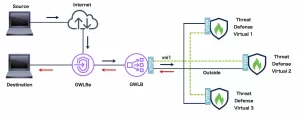
So, does investing the effort to master ZTE switch configuration truly translate to that coveted unshakable network resilience? Without question, yes. Here’s exactly how meticulous setup becomes your strongest shield against downtime. Firstly, resilience starts with configuration hardening. Default logins? Change them immediately via the CLI (configure terminal, username admin password complex-pass1234 privilege 15, exit). Unused ports? Disable them globally (interface range gi 0/1-24, shutdown) to block phantom devices or rogue access attempts. Enabling features like Storm Control on all user-facing ports limits broadcast/multicast traffic floods before they cascade. Secondly, redundancy isn’t just hardware; it’s configured policies. Properly setting up Link Aggregation Groups (LAGs) using LACP (interface range gi 0/1-2, channel-group 1 mode active) ensures critical uplinks failover instantly. Configuring Rapid Spanning Tree Protocol (RSTP) correctly (spanning-tree mode rstp, defining root bridges strategically) prevents switching loops but also ensures alternate paths kick in fast. Thirdly, visibility and control are key resilience tools. Meticulously configuring SNMPv3 with encryption (snmp-server user resmon auth md5 strongauthpass priv aes 128 strongprivpass, snmp-server host monitor.example.com version 3 priv resmon) or NetFlow/sFlow exports gives NOC teams early warnings. Implementing ACLs (access-list 110 permit ip any any) or ZTE’s Zone-Based Firewall configuration segments traffic, containing potential breaches or misbehaving devices before they spread chaos. Fourthly, performance tuning via QoS configuration is resilience too. Correctly marking traffic (using class-map, policy-mapwith trust dscp/cos, prioritizing EF/DSCP 46 for VoIP, AF41/DSCP 34 for video) prevents congestion chaos during peak loads, ensuring critical apps remain responsive even when the network is stressed – a core resilience requirement. Fifthly, resilience demands predictability. Automating ZTE switch configuration deployment via tools like ZTE’s ZTP (Zero Touch Provisioning) using pre-staged scripts ensures consistency across hundreds of switches. No more finger trouble from manual CLI entries. Finally, resilience means recoverability. Regularly backing up configuration files (copy running-config tftp://192.168.1.100/switch-backup.cfg) and meticulously configuring automatic rollback points (configuration replace file backup.cfg revert-timer 10) mean you can recover from a bad config push in minutes, not hours. Overlooking any single aspect – from physical port security settings to logical QoS policies – introduces fragility. Precise, deliberate configuration is the meticulous stitching that transforms individual switches into a fault-tolerant fabric.
Ultimately, mastering ZTE switch configuration isn’t a tedious chore; it’s the strategic bedrock for building network resilience that instills genuine confidence. An unstable network constantly demands firefighting, diverting resources from innovation. Investing the time upfront to deeply understand and apply precise configuration principles – accessing switches via the CLI or Web UI, methodically defining policies, verifying with showcommands (show interface status, show running-config, show spanning-tree), embracing automation for consistency – pays massive dividends in relentless uptime and predictable performance. The meticulous attention applied during setup directly translates to fewer midnight outage calls, smoother application rollouts, and a network capable of absorbing unexpected shocks without catastrophic failure. View every CLI command, every UI setting, every policy definition in your ZTE switch configuration process as an active contribution to building an infrastructure engineered for endurance. While hardware provides the muscle, it’s the precision of the configuration that provides the unshakable resilience businesses rely on daily. Stop viewing setup as a necessary evil and start seeing it as the most powerful resilience tool in your networking arsenal. Make precision your standard operating procedure.

Leave a comment