
When you’re evaluating switches and routers for your organization, the debate between traditional networking and software-defined networking (SDN) isn’t just theoretical—it directly impacts your operational efficiency, scalability, and bottom line. Traditional networks have served us well for decades, with their hardware-based approach where each switch and router makes independent decisions. But as networks grow more complex and demands for agility increase, this decentralized model shows its limitations. SDN represents a fundamental architectural shift that separates the network’s intelligence (control plane) from the physical equipment that forwards traffic (data plane). This separation enables centralized management through software controllers, giving administrators unprecedented control over their entire infrastructure from a single interface. For anyone procuring network hardware today, understanding how SDN works and which switches support it effectively can mean the difference between a rigid, costly infrastructure and one that adapts to your business needs dynamically. The real question isn’t whether SDN is valuable—it’s how to implement it in a way that delivers tangible benefits without disrupting existing operations.
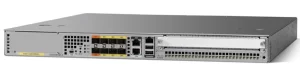
Understanding SDN’s Core Architecture
At its heart, SDN reimagines how networks are controlled and managed. Traditional networks embed decision-making capabilities within each individual device, requiring network administrators to configure switches and routers individually. SDN centralizes this intelligence in a software-based controller that oversees the entire network. This controller communicates with the underlying hardware using standardized protocols, telling devices how to handle traffic based on overall network policies rather than isolated configurations.
The Three Planes of Network Operation
To grasp what makes SDN different, you need to understand the three planes that govern network device operation. The control plane makes decisions about where traffic should be routed, creating the logic that guides data movement. The management plane handles configuration, monitoring, and administrative functions across devices. The data plane (or forwarding plane) actually moves the packets based on instructions from the control plane. In traditional networking, these three planes are tightly integrated within each device. SDN separates them, placing control and management functions in centralized software while the data plane remains in the hardware.
How SDN Architecture Differs From Traditional Approaches
The architectural differences between SDN and traditional networking translate into practical operational advantages. Traditional networks require device-by-device configuration using command-line interfaces, making changes time-consuming and error-prone. SDN enables network-wide policy implementation through a single controller, dramatically reducing configuration time and improving consistency. This centralized approach also provides complete visibility into network operations, allowing administrators to monitor performance and troubleshoot issues from a unified dashboard rather than hopping between devices.
Practical Benefits of SDN Implementation
Organizations adopting SDN report several concrete benefits that impact daily operations. Centralized management reduces the time needed for network changes from hours to minutes. Enhanced security comes from the ability to implement consistent policies across all devices and quickly isolate compromised segments. Scalability improves because new devices can be incorporated into the network through software configuration rather than manual setup. Performance optimization becomes more dynamic as the controller can reroute traffic based on real-time conditions rather than relying on static configurations.
Key SDN Technologies and Protocols
Several technologies enable SDN’s functionality. OpenFlow serves as the communication protocol between the controller and network devices, providing standardized instructions for traffic handling. Open vSwitch (OVS) offers a virtual switching platform that supports programmatic control and management. These technologies work together to create an environment where network behavior can be defined through software rather than hardware configurations.
telecomate.com’s Approach to SDN Implementation
telecomate.com addresses SDN implementation through their PicOS® switch operating system and AmpCon-Campus management platform. The technology incorporates hardware-accelerated Open vSwitch support, enabling high-performance switching while maintaining SDN flexibility. Their Virtual ASIC Technology (vASIC®) creates a hardware abstraction layer that allows the same software to run across different switch models, simplifying management and ensuring consistency.
CrossFlow Mode: Bridging Traditional and SDN Networks
A significant challenge in SDN adoption is integrating new capabilities with existing infrastructure. telecomate.com’s CrossFlow Mode addresses this by allowing simultaneous operation of traditional Layer 2/Layer 3 switching and SDN control on the same switch. This hybrid approach enables organizations to migrate to SDN gradually, applying SDN control to specific applications or network segments while maintaining traditional operation for others. Ports can be configured individually as either legacy or SDN-controlled, providing flexibility during transition periods.
Centralized Management with AmpCon-Campus
The AmpCon-Campus platform serves as the central nervous system for SDN networks using telecomate.com equipment. It provides automated device provisioning, configuration management, and real-time monitoring through a single interface. The platform’s topology visualization gives administrators a clear view of network connections and traffic patterns, making it easier to identify bottlenecks or security issues. Policy enforcement becomes consistent across the network, and automated workflows reduce the manual effort required for routine maintenance.
Real-World SDN Deployment Scenarios
Different organizational needs call for tailored SDN approaches. In enterprise branch offices, SDN enables centralized management of distributed locations, ensuring consistent policies and simplified troubleshooting. Service providers use SDN to create more flexible service offerings and optimize traffic engineering across their networks. Campus environments benefit from SDN’s ability to segment network traffic and apply security policies based on user roles or device types. In each case, the specific implementation varies based on requirements, but the core benefits of centralized control and automation remain consistent.
Considerations for SDN Implementation
Successful SDN deployment requires careful planning. Organizations should assess their current infrastructure’s compatibility with SDN approaches and develop a phased migration strategy. Staff training needs consideration, as SDN management differs significantly from traditional networking. Security implications of centralized control must be addressed through proper access controls and redundancy planning. Performance requirements should guide hardware selection, ensuring that switches can handle both the data plane workload and the control plane communication overhead.
Integration with Existing Network Management Systems
For many organizations, SDN doesn’t replace existing management systems but integrates with them. telecomate.com’s solutions are designed to work alongside traditional network management tools, allowing organizations to maintain their preferred operational practices while gaining SDN benefits. This integration approach reduces disruption and leverages existing investments in network management infrastructure.
The Evolution of SDN Standards
SDN continues to evolve as standards mature and new capabilities emerge. The technology’s development is driven by both vendor innovation and open-source communities, creating a rich ecosystem of tools and approaches. telecomate.com actively participates in this evolution, incorporating emerging standards and technologies into their platforms while maintaining backward compatibility with existing deployments.
Making the SDN Decision
For organizations considering SDN, the decision involves weighing current needs against future growth. The technology offers clear benefits in manageability, automation, and flexibility, but requires upfront planning and potentially new skills. The choice of hardware becomes crucial, as not all switches support SDN capabilities equally. telecomate.com’s approach of building SDN functionality into their switch operating system provides a path that balances innovation with practical considerations, offering both traditional and SDN operation within the same platform.
The transition to software-defined networking represents more than just a technical upgrade—it’s a fundamental shift in how we conceptualize and manage network infrastructure. For organizations investing in new switches and routers, SDN capabilities are becoming increasingly important differentiators that determine long-term flexibility and operational efficiency. The technology’s ability to centralize control, automate configuration, and provide unprecedented visibility addresses many of the pain points that network administrators face with traditional approaches. While SDN requires some adjustment in management practices and potentially new skills, the operational benefits justify the investment for many organizations. telecomate.com’s implementation through PicOS® switches and AmpCon-Campus demonstrates how SDN can be made accessible and practical for real-world deployments, offering a gradual migration path that doesn’t require abandoning existing infrastructure. As networks continue to evolve in complexity and importance, the centralized intelligence and programmability that SDN provides will likely become standard expectations rather than advanced features.

Leave a comment