
You need switches that won’t blow the budget but absolutely cannot afford flaky performance or security gaps. That’s the tightrope walk for so many businesses scaling their networks or refreshing aging edge gear. Enter the Aruba 1950 Switch series – often pitched as the affordable gateway into Aruba’s switching ecosystem. But when budgets are tight and demands are high (think VoIP, security cameras, WiFi 6 APs), doubts creep in: Can a switch at this price point genuinely deliver enterprise-grade reliability and features, or is it just a polished consumer-grade box with fancy marketing? We’ve all been burned by gear that promised more than it delivered. Understanding where the Aruba 1950 Switch truly shines, and crucially, where its limitations might force compromises in your network design or future growth plans, is essential before hitting that “buy” button. It promises robust Layer 2 capabilities and Power over Ethernet muscle, but does reality match the specs sheet for your specific operational environment? Let’s peel back the layers beyond the attractive price tag.
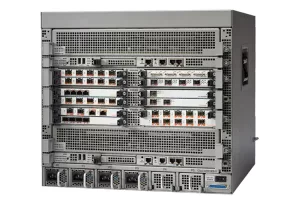
Decoding the Reality: Where Does the 1950 Deliver and Falter?
Alright, let’s address the core question directly: Can the Aruba 1950 Switch series handle modern demands effectively? The answer isn’t a simple yes or no – it’s a resounding “Yes, but…” followed by some key understanding of context. Aruba designed this series specifically for cost-conscious deployments at the network edge: wiring closets, small branch offices, or supporting high-density device environments like classrooms or retail floors demanding solid PoE+ power. The headline specs look compelling: robust PoE+ budgets (up to 370W total on the 48-port models), Layer 2 routing for VLAN separation, essential security like port authentication via 802.1X, and support for modern management protocols like LLDP and SNMPv3. Physically, you get fanless or whisper-quiet operation for office spaces, multiple uplink options (including combo SFP ports for fiber backhaul), and the assurance of Aruba’s limited lifetime warranty. For replacing basic, aging switches or deploying where budgets are paramount, it delivers substantial value.
Where the Aruba 1950 Switch truly excels is in predictable environments demanding reliable connectivity and PoE+ delivery for devices like VoIP phones, security cameras, and Wi-Fi 6/6E access points. Its web-based GUI (Aruba Central optional but enhances visibility) is straightforward, making initial setup and basic VLAN/port configuration accessible, even for smaller IT teams less steeped in deep CLI commands. Performance-wise, non-blocking switching architecture ensures line-rate throughput on all ports simultaneously – no bottlenecks for typical edge traffic. The comprehensive Layer 2 feature set – spanning multiple VLANs, robust QoS (Quality of Service) for prioritizing VoIP or video traffic, link aggregation (LACP), and essential security protocols (802.1X, MACsec optional via license) – provides a solid foundation that far surpasses unmanaged or basic smart switches. It effectively handles the core task of connecting users and devices reliably at the network edge, powered where needed.
However, the “but” becomes crucial when planning beyond basic Layer 2 needs or highly dynamic, large-scale environments. The Aruba 1950 Switch lacks Layer 3 routing capabilities (static or dynamic routing protocols like OSPF or BGP). This means all inter-VLAN routing must be pushed upstream to a Layer 3 core switch or router. While perfectly manageable for smaller networks, this becomes an architectural constraint as networks scale or require sophisticated segmentation policies directly at the access layer. While manageable through Aruba Central, native scripting and programmability features (like REST APIs) are more limited compared to Aruba’s higher-tier CX switches. The PoE+ budget, while generous for its class (e.g., 370W max on the 48-port JL686A), might feel tight when powering dozens of power-hungry APs or future devices. You need careful power budgeting – it won’t match the huge reserves of modular chassis switches. Deep telemetry for application-aware insights or AI-driven operations requires Aruba Central, an additional subscription cost. Expect firmware updates primarily via downloads/installs rather than fully automated orchestration without Central.
So, Who Wins Big with the Aruba 1950 Series?
Think of the Aruba 1950 Switch not as a one-size-fits-all solution, but as a remarkably capable, cost-optimized specialist for specific scenarios. Its sweet spot is clear: Budget-aware deployments requiring dependable, enterprise-managed Layer 2 switching with robust Power over Ethernet support in environments where noise and physical footprint matter. If you’re building out a small to medium-sized business (SMB) network, refreshing the access layer in a branch office, outfitting education facilities needing silent operation, supporting retail point-of-sale systems and digital signage, or deploying networks dense with VoIP phones, IP cameras, and APs, this series punches well above its weight class. It brings Aruba’s reliability and comprehensive feature set for essential switching and security to the table without demanding a premium price. Integration with Aruba Central, while adding cost, significantly elevates manageability and provides cloud-scale visibility without requiring advanced networking degrees, making it accessible for lean IT teams.
Therefore, the Aruba 1950 Switch absolutely can handle modern demands—specifically, the fundamental demands of reliable, secure edge connectivity and power delivery—when deployed within its intended operational scope. It delivers tangible cost savings while providing a significant step up in capability, manageability, and peace of mind compared to unmanaged alternatives. The limitations in Layer 3 intelligence and very high-end PoE+ or telemetry features are genuine design choices keeping costs down, not inherent flaws. Assess your specific needs: Is pushing all routing upstream acceptable? Does your PoE+ requirement fit within its power envelope? Is Aruba Central feasible for enhanced management? If the answers align with the 1950’s strengths, you gain a resilient, high-value building block for your access layer that won’t disappoint. It’s the smart choice for getting Aruba-grade performance and reliability where every dollar counts, proving that well-designed entry-level switches can indeed be genuine powerhouses for targeted, demanding use cases. Just understand the boundaries before deployment.







Leave a comment