
It’s 2 AM. A major network outage hits. The root cause? A typo in a rushed VLAN config pushed manually across 20 switches hours earlier. Now, core systems are isolated, customer transactions fail, and the war room crackles with stress. Hours later, bleary-eyed engineers hunt down the flawed command on each device. Sound like a costly nightmare? This scene plays out daily where manual Cisco switch configuration reigns. Every manual vlan, access-list, or spanning-tree command typed by hand carries unseen risk. Missed steps. Fat-fingered IPs. Forgotten backups. These seemingly small human errors embed ticking time bombs within the network fabric. Automating Cisco switch configuration – using tools and scripts to deploy, enforce, and back up configs – isn’t just about saving time; it’s about injecting critical accuracy, consistency, and reliability into the network’s DNA. It promises to transform reactive firefighting into proactive stability. But can this automation truly evolve beyond a convenience tool into a silent sentinel, actively shielding critical infrastructure from the expensive chaos born of inevitable human slip-ups?
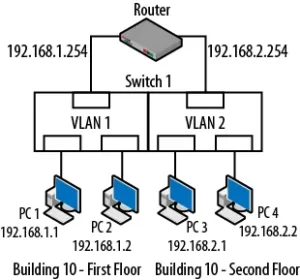
Could this automated guardian genuinely shield networks from costly human flaws? Resoundingly yes, and the proof lies in dissecting how manual processes unravel versus automation’s armor:
- Disaster Proofing Configuration: Manual config invites variation and error. Enforcing identical security settings (like SSH timeouts or ACLs) across 50 switches? Human execution guarantees drift over time. A junior admin forgets
aaa authentication login default group tacacs+ localon one switch, leaving a backdoor. An engineer misseslogging source-interfaceon another, crippling syslog visibility. Automation tools (Ansible, Python/Netmiko scripts, Terraform) deploy verified, templated configurations universally. A single source of truth ensures every device gets the exact, correct baseline. Config drift detection features flag unauthorized changes instantly. This eliminates snowflake devices and the subtle misconfigurations that silently cause performance issues or catastrophic security holes. - Audit Trail Armor: Manual changes rely on fragile memory or incomplete logs. Who changed that OSPF cost setting last month? When exactly was that ACL modified? Troubleshooting and proving compliance becomes painful detective work. Automating configuration builds an immutable audit trail. Every change is sourced from a controlled script or playbook stored in Git, timestamped, attributed, and logged. Need to know what changed, when, and why? Check the commit history. This ironclad auditability satisfies regulators and accelerates RCA during outages caused by faulty manual edits.
- Scaling Without Pain: Growing from 5 to 50 switches? Manual configuration becomes unsustainable. Pushing consistent policy changes (like new VLANs or SNMP settings) is a multi-day, error-prone slog. Automation scales effortlessly. Define the change once in the playbook or script, run it against dozens, hundreds, or even thousands of devices simultaneously. Provisioning new sites or replacing failed gear? Spin them up with precise pre-tested configs in minutes, not hours. This speed and consistency are impossible manually, reducing deployment costs and eliminating configuration mismatch risks.
- The Real Shift: From Error Correction to Prevention: Manual workflows are reactive. Mistakes will happen; the focus becomes damage control. Automating Cisco switch configuration flips the paradigm:
- Pre-Change Validation: Scripts can validate config syntax before deployment (
wr memis simulated). Templates inherently prevent invalid commands or missing dependencies. - Rollback Safety Nets: Good automation integrates automatic backup before any change. If a faulty config causes havoc, revert the entire fleet to the last known good state with a single command – not hours of desperate
configure replace. - Continuous Compliance: Automation platforms continuously scan devices, comparing actual configs against the defined policy source. Non-compliant switches are flagged or automatically corrected, enforcing standards 24/7.
- Pre-Change Validation: Scripts can validate config syntax before deployment (
Ignoring automation locks organizations into cycles of preventable outages and security vulnerabilities caused by avoidable human slips. The “minor” typo causing a multi-hour outage? The forgotten password rotation policy leading to a breach? These translate directly into lost revenue, compliance fines, SLA penalties, and shattered customer trust. The cost of downtime dwarfs the initial automation setup investment. Tools like Ansible (free/OSS), robust Python scripts leveraging libraries like Netmiko or NAPALM, or Cisco’s own DNA Center provide accessible entry points. The barrier isn’t technology; it’s shifting mindset from reactive typing to proactive orchestration. This automated rigor transforms the network from a fragile collection of manually manipulated devices into a resilient, self-documenting, and self-defending infrastructure where human expertise focuses on strategy, not repetitive typing and error recovery.
Beyond core config deployment, true automation embraces continuous monitoring and self-healing. Integrations with monitoring platforms (SolarWinds, PRTG, LibreNMS) can trigger automated remediation scripts based on alerts – restarting a flapping port interface, applying a predefined security ACL block, or restoring a known-good config after detecting anomalies – often resolving issues before users notice. This transforms network resilience from manual slog to systemic strength.
Ultimately, automating Cisco switch configuration far transcends being a mere efficiency hack. It becomes the indispensable silent guardian, relentlessly enforcing precision, consistency, and recovery readiness that manual processes can never match. While the engineer sleeps, the automation works – validating new configs, backing up current states, scanning for drift, and standing ready to instantly undo human error. It shields the network from the costly consequences of fatigue, distraction, and inevitable human imperfection, turning configuration management from a constant hidden peril into a source of profound operational confidence and resilience. Investing in robust automation isn’t just about saving keystrokes; it’s about safeguarding uptime, security, and peace of mind, knowing the network’s foundation is meticulously managed, reliably enforced, and consistently protected from the inside out. That’s the silent, powerful guardian watching over your critical infrastructure, ensuring reliability isn’t left to chance.







Leave a comment