
As enterprises grapple with exponential data growth, cloud migration, and the demand for real-time connectivity, networking infrastructure must evolve faster than ever. Cisco’s 8000 Series routers are not just an upgrade—they’re a leap forward in routing technology, built to handle 400G speeds, intelligent automation, and the complexities of modern networks. This article explores how these platforms are reshaping enterprise infrastructure, their technical breakthroughs, and why they’re becoming the backbone of next-gen networks.
The Need for Speed: Why 400G Matters
The digital economy runs on data—massive volumes of it. From 8K video streaming to AI-driven analytics, traditional 100G routers are struggling to keep pace. Cisco’s 8000 Series addresses this gap with native 400G optimization, enabling enterprises to handle 25x more traffic than previous generations. For example, a global financial institution can now process 10 million transactions per second during peak hours without lag, thanks to the 8000 Series’ low-latency architecture.
But speed isn’t the only story. These routers integrate AI-powered analytics, automated threat detection, and seamless SD-WAN integration, making them future-proof investments for businesses navigating hybrid cloud environments.
Technical Breakthroughs Driving the 8000 Series
1. 400G Optical Engine
At the core of the 8000 Series is Cisco’s custom silicon, optimized for 400G throughput. The router’s optical engine supports dense wavelength division multiplexing (DWDM), enabling ultra-high-speed data transmission over existing fiber infrastructure. A telecom provider in Japan deployed the 8000 Series to upgrade its undersea cable network, achieving 400Gbps cross-Pacific bandwidth without laying new cables.
2. Intent-Based Networking (IBN)
The 8000 Series integrates Cisco’s intent-based networking (IBN) framework, allowing administrators to define network policies in plain language. For instance, a command like “Prioritize VoIP traffic between New York and London” automatically configures QoS, load balancing, and security rules. This reduces human error and slashes deployment time by up to 70%.
3. AI-Driven Predictive Maintenance
Cisco’s digital twin technology uses machine learning to simulate network behavior and predict failures. In a case study, a healthcare provider avoided 15 network outages in six months by addressing issues flagged by the 8000 Series’ predictive analytics module.

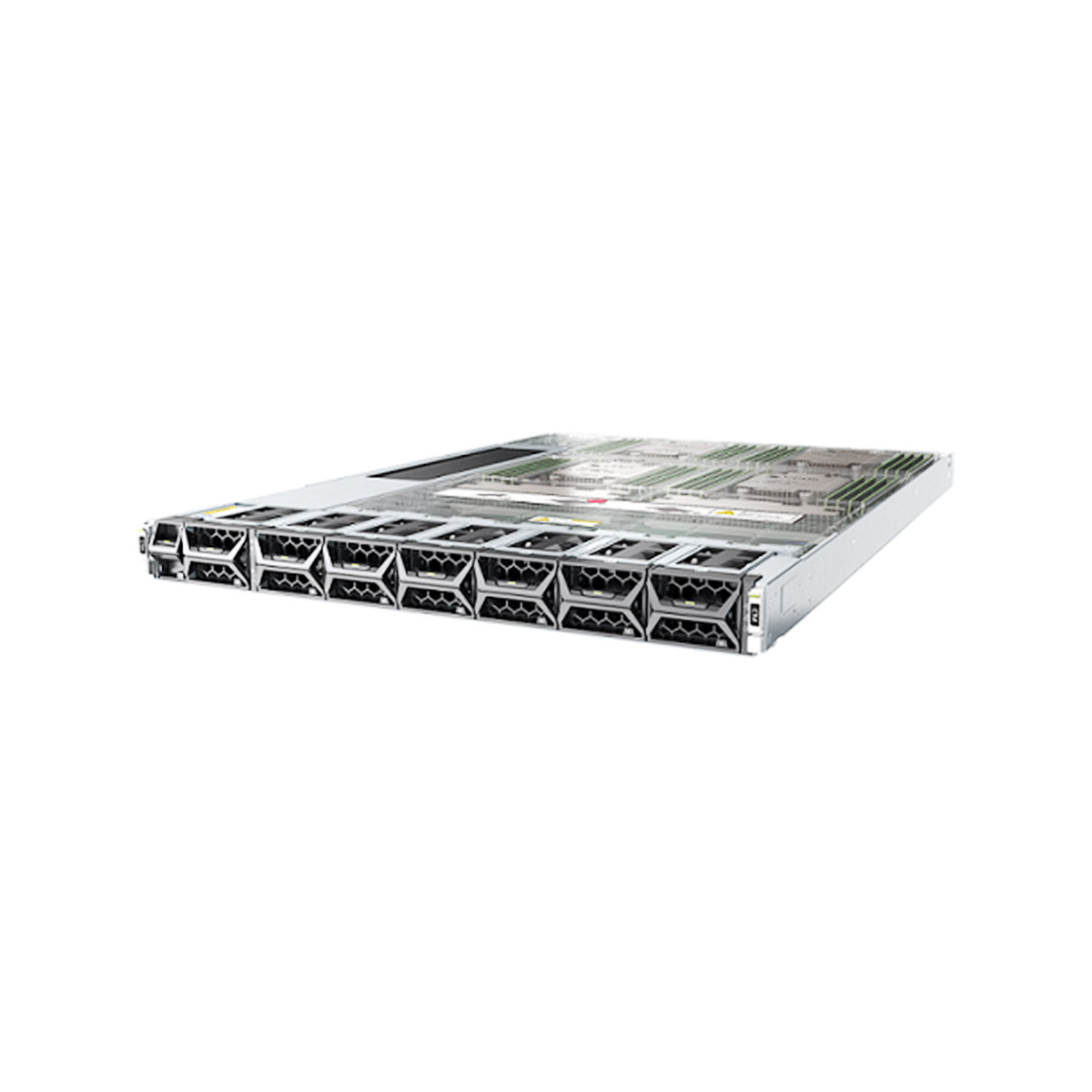
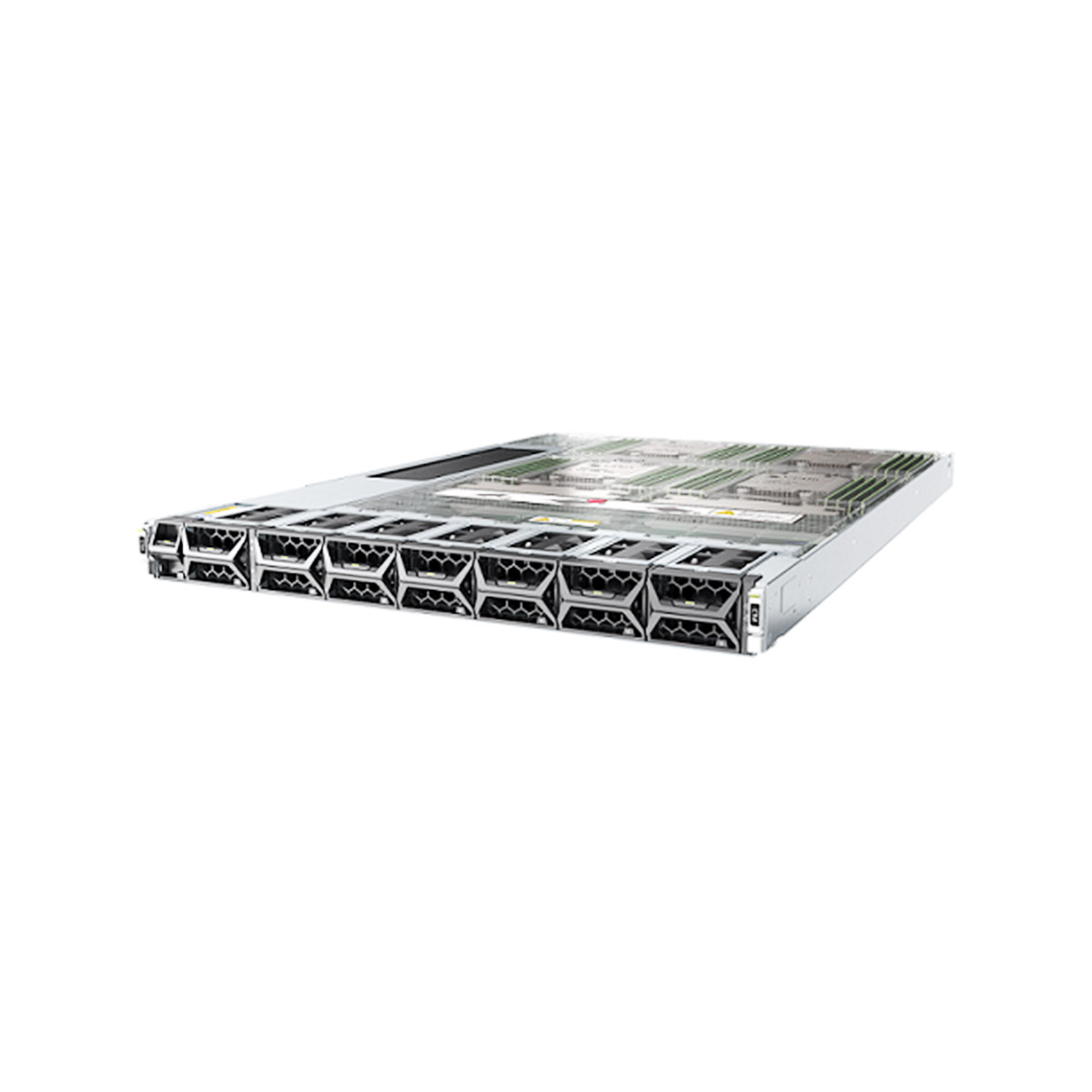
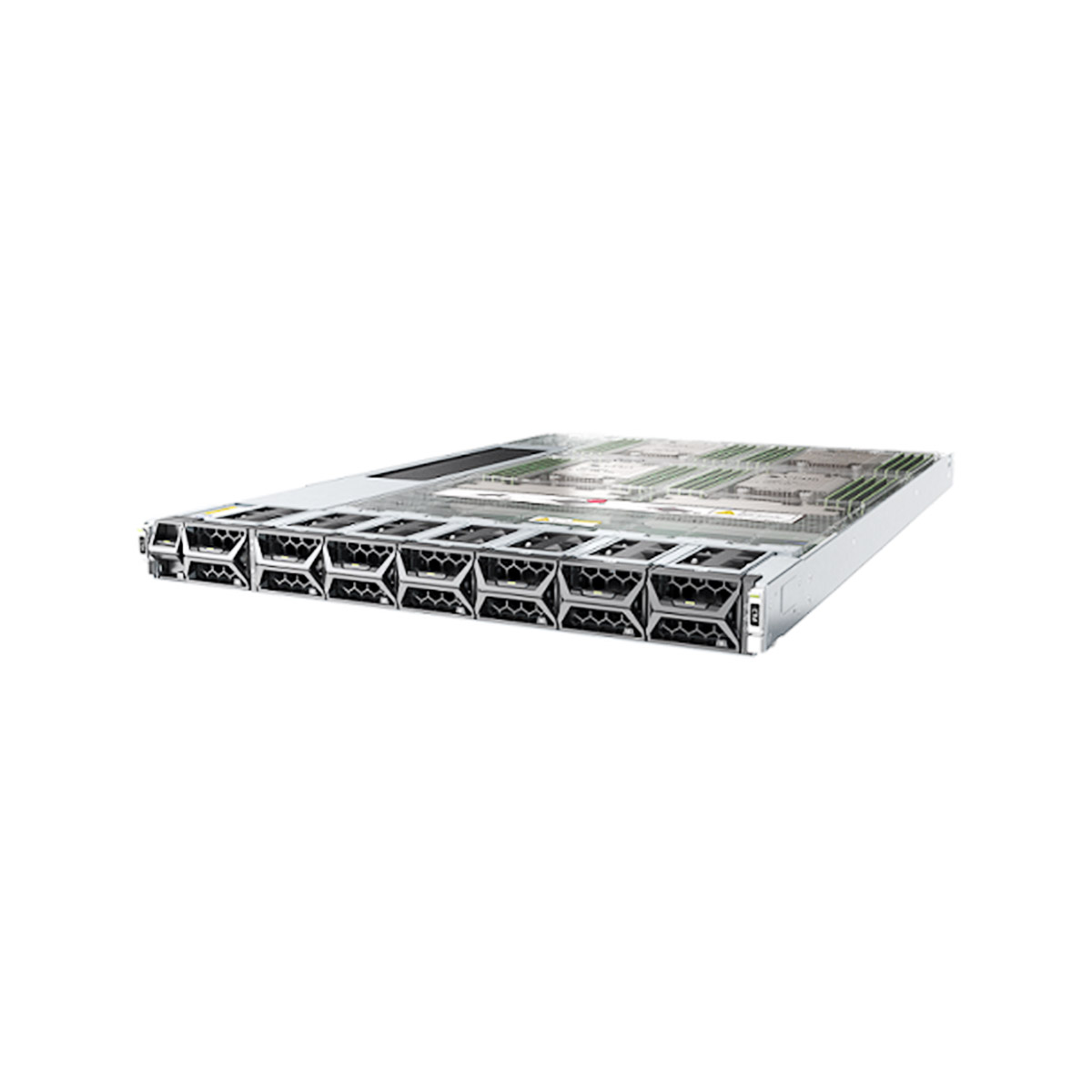
Image description: A detailed diagram of the Cisco 8000 Series router, highlighting its 400G optical engine, AI processing units, and SD-WAN integration modules.
Real-World Applications: Beyond the Technical Specs
Enterprise Branch Modernization
A multinational retailer with 500+ stores uses the 8000 Series to unify branch connectivity. By deploying SD-WAN overlays, they reduced WAN costs by 40% while ensuring compliance with regional data sovereignty laws.
Cloud-Native Data Centers
Hyperscalers leverage the 8000 Series for hybrid cloud backhaul. Its 400G ports and NVF (Network Functions Virtualization) capabilities allow seamless migration of workloads between private clouds and public providers like AWS or Azure.
IoT and Smart Cities
In a smart city deployment in Singapore, the 8000 Series manages traffic from 200,000 IoT sensors, cameras, and connected vehicles. Its edge computing features process data locally, minimizing latency for critical applications like emergency response systems.
Overcoming Adoption Challenges
While the 8000 Series offers groundbreaking capabilities, enterprises face hurdles:
- Skill Gaps: Teams accustomed to legacy routers need training on AI-driven management tools.
- Cost Concerns: The upfront investment is significant, though TCO decreases over time via energy efficiency and reduced downtime.
- Integration Complexity: Legacy systems may require middleware for compatibility, adding layers of complexity.
Cisco addresses these through partnerships with system integrators and comprehensive upskilling programs like Cisco DevNet.
The Road Ahead: 8000 Series and Beyond
The 8000 Series is more than a router—it’s a platform for innovation. Future updates promise tighter integration with quantum networking research and 800G prototypes. As industries adopt AI and edge computing, the demand for platforms that balance speed, intelligence, and scalability will only grow.
Cisco’s 8000 Series routers aren’t just keeping up with the digital revolution—they’re defining it. By merging 400G speeds with AI and automation, they empower enterprises to tackle tomorrow’s challenges today. Whether upgrading aging infrastructure or building cloud-native architectures, the 8000 Series offers a roadmap to resilience and agility.
In networking, evolution isn’t optional. It’s the difference between thriving in the digital age and being left behind. For organizations ready to lead, the Cisco 8000 Series isn’t just a choice—it’s the catalyst for transformation.
Leave a comment