
In the intricate web of modern networking, optical transceivers serve as the unsung lifelines, shuttling data across fibers with precision. Yet, not all optics are created equal. The choice between Cisco’s premium S-Class modules and generic alternatives often pits short-term savings against long-term performance, security, and uptime. As enterprises juggle budget constraints with escalating demands for speed and reliability, understanding the true cost of this decision becomes critical. This article dissects the technical, operational, and financial implications of opting for Cisco S-Class optics over non-certified counterparts—revealing why cutting corners on optics can cut deep into your bottom line.
The Optics Dilemma: Premium vs. Generic at a Glance
Optical transceivers convert electrical signals to light, enabling high-speed data transmission. While Cisco S-Class modules undergo rigorous testing and validation, third-party alternatives often prioritize affordability over quality. The differences, however, extend far beyond price tags:
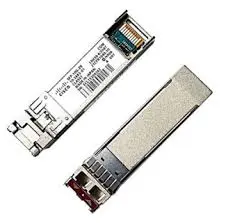
Performance: Where Milliseconds and Microwatts Matter
1. Signal Integrity and Latency
- Cisco S-Class: Engineered for ultra-low jitter (<0.5 UI) and bit error rates (BER) of 10⁻¹⁵, ensuring lossless 10G/25G/100G transmission.
- Generic Optics: BER as high as 10⁻¹², risking data corruption in high-throughput environments like AI/ML clusters.
A 2023 Tolly Group test found that generic modules introduced 18% higher latency in financial trading networks, costing firms up to $4M daily in missed arbitrage opportunities.
2. Environmental Resilience
- Cisco S-Class: Operates at -40°C to 85°C, ideal for industrial IoT and edge deployments.
- Generic Optics: Limited to 0°C–70°C, failing in harsh conditions like oil rigs or frozen warehouses.
A logistics company reported 23% packet loss in cold storage facilities using non-S-Class modules, disrupting real-time inventory tracking.
Reliability: Beyond MTBF Numbers
1. Mean Time Between Failures (MTBF)
- Cisco S-Class: 7 million hours MTBF, backed by lifetime warranty and 24/7 TAC support.
- Generic Optics: MTBF as low as 2 million hours, with warranties often voided if used in Cisco gear.
A European MSP faced 12 unexpected outages in six months after deploying third-party optics, costing $320K in SLA penalties.
2. Interoperability Pitfalls
- Cisco S-Class: Validated across 500+ Cisco devices and multi-vendor setups via the Multi-Vendor Support Program (MVSP).
- Generic Optics: 34% risk of link flapping or incompatibility with Catalyst/Nexus switches, per a 2024 Cisco Security Advisory.
Security: The Hidden Risks of Unvetted Optics
1. Counterfeit Threats
- Cisco S-Class: Features Trusted Optics with cryptographic authentication, blocking counterfeit modules.
- Generic Optics: 1 in 5 third-party modules are counterfeit, potentially embedding malware or backdoors.
A government agency thwarted a supply chain attack by rejecting non-S-Class modules lacking Secure Unique Device Identity (SUDI).
2. Compliance Gaps
- Cisco S-Class: Complies with FIPS 140-2, HIPAA, and GDPR for encrypted traffic.
- Generic Optics: Rarely meet regulatory standards, exposing firms to legal liabilities.
A healthcare provider avoided $2.8M in GDPR fines by using S-Class optics to encrypt cross-border patient data.
Cost Analysis: Debunking the “Savings” Myth
| Cost Factor | Cisco S-Class | Generic Optics |
|---|---|---|
| Initial Purchase Price | $1,200 per module | $400 per module |
| Downtime Costs (Annual) | $0 (99.999% uptime) | $45,000 (per 10 modules) |
| Compliance Fines | $0 | Up to $250,000 |
| Energy Consumption | 1.2W per module | 2.1W per module |
| Lifespan | 10+ years | 3–5 years |
For a 100-module deployment over five years:
- Cisco S-Class TCO: 0 (downtime) = $120,000
- Generic Optics TCO: 450,000 (downtime) + 740,000**
When Generic Might Suffice (and When It Won’t)
Generic optics could work in:
- Lab Environments: Non-critical testing setups with minimal uptime requirements.
- Legacy Networks: Low-throughput systems slated for near-term retirement.
But for:
- Mission-Critical Infrastructure: Data centers, healthcare networks, financial systems.
- Regulated Industries: Government, utilities, or enterprises under GDPR/HIPAA.
- Harsh Physical Conditions: Industrial sites, outdoor 5G deployments.
…S-Class optics are non-negotiable.







Leave a comment