
Let’s cut through the complexity. That cisco switch port mirroring feature – known to engineers as SPAN (Switch Port Analyzer) or RSPAN (Remote SPAN) – ain’t just another menu option buried in the CLI. Think of your network as a bustling freeway. Without traffic cameras capturing real-time flow, incidents become invisible mysteries. For network pros deploying Cisco switches, failing to leverage this capability is like flying blind during a storm. Port mirroring acts as your essential network surveillance camera, silently cloning traffic from crucial lanes and directing it towards monitoring and security tools. Whether you’re chasing down a packet-loss gremlin, auditing suspicious connections, or validating application performance, overlooking this tool cripples your troubleshooting and security posture. It transforms raw data chaos into actionable intelligence, making the difference between reactive scrambling and proactive precision control. Underestimating its setup is rolling out an invisible welcome mat for unseen threats and undiagnosed bottlenecks.
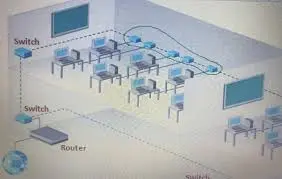
So, what’s this “hidden magic” SPAN unlocks? Fundamentally, cisco switch port mirroring solves the core visibility crisis: critical traffic moves unseen between ports, invisible to analysis tools plugged elsewhere in your rack. SPAN acts like a network copying machine. You designate critical source ports carrying traffic you need to scrutinize – perhaps a trunk uplink, a key server link, or user VLAN interfaces. The Cisco switch then copies every frame or packet traversing those sources, forwarding this duplicate stream to a designated destination port. That’s where your packet sniffer, intrusion detection system (IDS), or application performance monitoring (APM) tool sits, safely outside the production path, ingesting the mirrored feed without disrupting live traffic. The true power unfolds in scenarios like forensics: your IDS sniffs malware phoning home from an infected host? SPAN instantly mirrors that host’s port traffic to your analyzer for deep packet dissection. Battling unexplained VoIP jitter? Mirror the VoIP VLAN source port to your analyzer to capture real voice streams exactly as traversed. Need rigorous compliance reporting? Mirror critical audit points constantly for logged evidence. Cisco’s implementation adds layers of flexibility. You define precise mirroring sessions: choosing specific source ports or entire VLANs, filtering traffic direction (ingress, egress, or both), and deciding what gets copied (layer 2 frames or encapsulate layer 3 packets). Remote SPAN (RSPAN) pushes this further, allowing traffic captured on one switch to be mirrored across the switched network to a tool physically located on a different switch entirely – essential in distributed environments where tools reside centrally. Encapsulated Remote SPAN (ERSPAN) takes visibility beyond L2 boundaries, tunneling mirrored traffic over IP networks using GRE encapsulation. Crucially, effective SPAN implementation means understanding its appetite: it consumes switch ASIC resources and uplink bandwidth. Mirroring heavy gigabit source traffic to a 100Mb tool port? You’ll likely drop critical forensic packets. Smart network engineers prioritize their sources, apply granular filters (limiting to specific protocols like HTTP if possible), and verify the mirrored stream doesn’t exceed the destination’s or intermediate links’ capacity. They leverage session names, clear descriptions, and monitor CPU impact via the Cisco CLI (show monitor, show platform hard soft). This disciplined approach ensures SPAN remains a reliable intelligence asset, not a performance drain itself.
Simply put, mastering cisco switch port mirroring isn’t about ticking a box; it’s about installing network x-ray vision. Slap SPAN into your setup strategically, and Cisco switches morph from mere traffic directors into insightful observability engines. You unlock the stealthy magic – seeing exactly what traverses your critical links without injecting delay or risk into the live path. This continuous stream of intelligence slashes troubleshooting timeframes, catches security incidents stealthily, validates network changes instantly, and ultimately protects your uptime reputation. Without this mirrored view, problems lurk unseen until they erupt, costing time, money, and trust. But with SPAN actively feeding your diagnostic tools, you shift from making educated guesses to wielding conclusive data. That’s the transformational advantage: switching from reactive darkness to proactive illumination. Make port mirroring a non-negotiable part of your deployment, and watch your command over the network tighten, bolster defenses, and smooth operations dramatically. It’s the silent sentinel ensuring nothing slips past your guard.







Leave a comment