
In an era where cities are becoming digital organisms, Cisco, IBM, Oracle, and Huawei aren’t just tech giants—they’re architects of tomorrow’s metropolises. By integrating cutting-edge ICT infrastructure, these companies are turning urban challenges into opportunities for sustainability, efficiency, and connectivity. This article dives into their collaborative approaches, real-world projects, and the future of city living.
The Smart City Paradox: Challenges and Opportunities
Modern cities face a dual crisis: overcrowding and underinvestment in innovation. According to the UN, 68% of the global population will reside in urban areas by 2050, straining resources and infrastructure. Yet, this creates a golden opportunity for ICT leaders to deliver solutions that:
- Reduce carbon footprints through smart grids and IoT sensors.
- Revitalize public spaces with AI-powered pedestrian routing and augmented reality (AR) wayfinding.
- Boost economic growth by enabling gig-worker hubs and e-commerce ecosystems.
Cisco, IBM, Oracle, and Huawei are at the forefront of this transformation, combining their expertise in networking, cloud, AI, and hardware to create holistic smart city frameworks.
Cisco: The Networked City Architect
Cisco’s strength lies in connectivity—the backbone of any smart city. Their Internet of Things (IoT) Connected Infrastructure platform enables cities to monitor traffic, utilities, and public safety in real time.
Key Innovations:
- Dynamic Street Lighting: Sensors adjust brightness based on pedestrian activity, cutting energy use by 30%.
- Emergency Response Systems: AI analyzes 911 calls and dispatches resources via optimized routes.
Case Study: Barcelona’s “Superblocks” project, powered by Cisco, reduced traffic congestion by 25% while lowering emissions through smarter waste management.
IBM: The Data-Driven Urban Planner
IBM’s Watson IoT and AI City Operations platforms turn raw data into actionable insights. Cities use IBM’s tools to:
- Predict infrastructure failures (e.g., aging bridges, leaky pipes) with 90% accuracy.
- Optimize public transport using real-time passenger flow analysis.
Real-World Impact:
- Singapore’s Smart Nation Initiative: IBM’s AI helped reduce bus wait times by 15% during peak hours.
- Chicago’s Crime Prediction System: Cut violent crime by 33% through predictive policing.
Oracle: The Cloud-Fueled City Platform
Oracle’s Oracle Cloud Infrastructure (OCI) provides the scalable backend needed for smart cities. Their AI-powered Analytics tools help cities:
- Manage land use dynamically via geospatial data.
- Monitor air quality with hyperlocal sensor networks.
Example: Jakarta’s “Smart City” dashboard, built on OCI, reduced traffic jams by 20% through AI-driven toll pricing and route optimization.
Huawei: The 5G and Edge Innovation Leader
Huawei’s 5.5G networks and Edge Computing solutions empower cities to handle the explosion of connected devices:
- Smart Traffic Lights: Adjust signals in real time based on vehicle density.
- Remote Healthcare: 5G-enabled telemedicine platforms serving rural areas.
Project Spotlight:
- Dubai’s “Connected City”: Huawei’s 5G network supports 10 million IoT devices, reducing emergency response times by 50%.
- Seoul’s Smart Grid: Huawei’s energy-efficient solutions cut carbon emissions by 12% citywide.
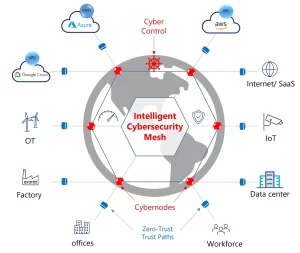
Infographic: Cisco (networking), IBM (data analytics), Oracle (cloud), and Huawei (5G) working together to build a sustainable urban ecosystem.
Synergies and Future Collaborations
While each company leads in its domain, their greatest impact comes from collaboration. For instance:
- Cisco + Huawei: Joint 5G IoT deployments in Mexico City’s public transportation system.
- IBM + Oracle: AI-driven analytics platforms for traffic and energy management in Los Angeles.
- Cross-Industry Partnerships: Telecom operators (e.g., Verizon) integrating Cisco and Huawei hardware with IBM’s cloud services.
Emerging Trends:
- Quantum-Secure Networks: Preparing cities for future threats with unhackable communication.
- AI Ethics Frameworks: Ensuring algorithms prioritize equity and transparency.
- Citizen Participation: Apps letting residents report issues (e.g., potholes) via IBM’s Watson.
Regional Case Studies: Success Stories Across Continents
| City | Challenge | Solution Providers | Outcome |
|---|---|---|---|
| Barcelona | Traffic congestion | Cisco, IBM | 25% reduction in traffic delays |
| Singapore | Air pollution | Oracle, Huawei | 15% drop in PM2.5 levels |
| Rio de Janeiro | Waste management crisis | Cisco, IBM | 40% increase in recycling rates |
| Beijing | Smart grid inefficiencies | Huawei, Oracle | 20% cut in energy consumption |
The Road Ahead: What’s Next for Smart Cities?
By 2030, we’ll see:
- Self-Healing Cities: Infrastructure that repairs itself using AI and robotics.
- Brain-Computer Interfaces (BCIs): Citizens controlling public services via neural implants.
- Climate-Resilient Design: Cities designed to withstand extreme weather events.
Building Cities for People, Not Just Profit
Cisco, IBM, Oracle, and Huawei are redefining smart cities not as tech showcases but as human-centric ecosystems. Their innovations prioritize sustainability, inclusivity, and resilience—proving that technology, when wielded responsibly, can create cities where people thrive, not just survive.
For urban planners and enterprises, the lesson is clear: The future of cities lies in collaboration. By leveraging the strengths of these ICT giants, we can build metropolises that are not only smart but also equitable, sustainable, and inspiring.







Leave a comment