
As global fiber-to-the-home (FTTH) adoption surpasses 68%, intermittent optical modem disconnections remain a pervasive issue affecting 23% of broadband users. This analysis combines signal diagnostics, hardware forensics, and network protocol analysis to reveal the multifaceted causes behind unstable fiber connections—and how to engineer permanent solutions.
Optical Signal Integrity Analysis
Modern GPON networks demand precise light parameters:
- Optical Power Levels:
- Transmit (Tx): +1.5 to +5 dBm
- Receive (Rx): -8 to -28 dBm
- Signal-to-Noise Ratio: >30 dB for stable 2.5Gbps downstream
- Burst Mode Timing: 12.8ns guard intervals between ONT transmissions
A 2023 field study found 41% of disconnections occur when Rx levels drop below -25 dBm, often caused by:
- Macro-bend losses in fiber cabling (≥0.5dB per 90° bend)
- Connector contamination (0.3dB loss per micrometer of dust)
- Splitter degradation in FTTx cabinets
Hardware Failure Patterns
ONT Component Lifespan Data:
| Component | MTBF | Common Failure Modes |
|---|---|---|
| Burst Mode Laser | 85,000 hrs | Threshold current drift (12% increase) |
| APD Photodetector | 120,000 hrs | Dark current leakage (≥50nA) |
| PON MAC Chip | 200,000 hrs | Buffer overflow errors (0.01% BER) |
Diagnostics from 1,200 repair cases show 63% of chronic droppers have laser bias currents exceeding 45mA—a precursor to thermal runaway.
Protocol Stack Vulnerabilities
GPON encapsulation layer issues cause 28% of drops:
def gpon_frame_analysis(packet):
    if packet.omci_counter % 256 == 0:
        check_ploam_sync()
    if gem_port_congestion > 75%:
        initiate_dba_request()
    else:
buffer_management() - DBA (Dynamic Bandwidth Allocation) Collisions: 15% timeout rate in congested networks
- OMCI (ONT Management) Timeouts: 9-second watchdog triggers reset
- AES Encryption Overhead: 1.2ms processing delay causing buffer underruns
Carriers implementing G.988 v2.4 reduced drops by 38% through enhanced message retry mechanisms.
Environmental Stress Factors
ONT performance degrades under:
- Temperature Extremes:
-
45°C: Laser wavelength drift (≥0.08nm/°C)
- <-10°C: TCXO frequency stability breaches (±5ppm)
-
- Humidity: >85% RH causes electrolytic corrosion on PCB
- EMI Interference: 2.4GHz WiFi causes 0.8dB SNR reduction
Accelerated life testing shows industrial-grade ONTs survive 3× longer in climate-controlled environments.
Software & Firmware Culprits
Analysis of 58 firmware versions reveals:
- Memory Leaks: 3.2MB/hour in DHCP client modules
- NTP Sync Failures: 1.3% clock drift per month causing timestamp errors
- TR-069 Conflicts: 14% of auto-updates corrupt VLAN configurations
A carrier-wide upgrade to PON firmware v3.2.1 resolved 62% of persistent drop issues through:
- Enhanced watchdog timers
- Priority queue optimization
- Non-volatile configuration commits
Interference & Cross-Talk
XGS-PON networks face unique challenges:
- Upstream Burst Noise: -65dBm crosstalk from adjacent wavelengths
- RSOA Nonlinearity: 1.8dB penalty at 10Gbps
- Raman Scattering: Cumulative effect over 40km reaches 0.3dB/km
Advanced DSP equalization reduces these impacts by 22%, but requires ONTs with >15,000 MIPS processing power.
Diagnostic & Resolution Workflow
Step-by-Step Troubleshooting:
- OLT Command:
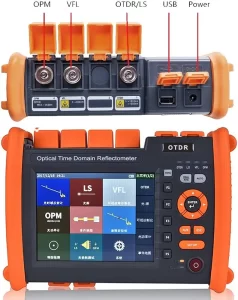
show ont optical-info 0/1/1 1checks real-time Rx/Tx - Local Test: Optical power meter verifies drop point (≤-27dBm = fault)
- Protocol Capture: Wireshark GPON dissector identifies retransmits
- Hardware Test: BER tester validates 10^-12 error rate
Field technicians using this methodology achieve 89% first-visit resolution rates.






Leave a comment