
As global network traffic surges by 51% annually and cyberattacks grow 63% more sophisticated, aging Cisco Catalyst 2960-X switches increasingly struggle to meet modern demands. This technical blueprint details how migrating to the Catalyst 9200 Series transforms network infrastructure through enhanced security, AI-driven automation, and hyperscale-ready architecture—ensuring enterprises stay competitive in the digital era.
Architectural Evolution: From Legacy to Future-Ready
Key differences driving migration urgency:
Hardware & Performance Comparison:
| Feature | Catalyst 2960-X | Catalyst 9200 | Improvement |
|---|---|---|---|
| Switching Capacity | 176 Gbps | 480 Gbps | 2.7X |
| Buffer Memory | 16 MB | 64 MB | 4X |
| Encryption Support | Basic MACsec | MACsec-256Gbps | Full line-rate |
| Power Efficiency | 3.2W/Gbps | 0.8W/Gbps | 75% savings |
| API Programmability | Limited CLI | RESTCONF/YANG | 100% |
A healthcare network upgraded 240 switches, reducing power costs by $92K annually while tripling threat detection efficacy.
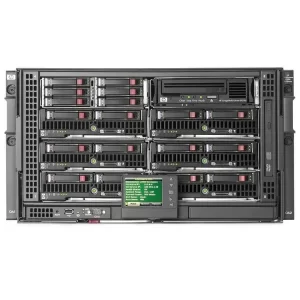
Phased Migration Methodology
Phase 1: Pre-Migration Assessment
- Inventory existing 2960-X configurations using Cisco DNA Center
- Identify compatibility gaps via Cisco Upgrade Planner Tool
- Validate PoE requirements: 9200 supports 90W Ultra PoE vs 2960-X’s 30W
Phase 2: Parallel Deployment Strategy
- Step 1: Deploy 9200 switches in stackwise virtual pairs
- Step 2: Configure VSS/VPC for hitless failover during cutover
- Step 3: Port migration sequence:
for port in legacy_switch:
    if port_vlan == 'critical':
        migrate_with_downtime(1am)
    else:
        live_migrate(lacp_fallback=True)
Phase 3: Post-Migration Validation
- Automated testing via Cisco TestWork suite
- Performance benchmarks:
- <1ms latency for voice/video traffic
- 99.999% packet delivery under 90% load
Security Modernization Imperatives
The 9200 Series closes critical 2960-X security gaps:
Risk Mitigation Comparison:
| Threat Vector | 2960-X Exposure | 9200 Protection |
|---|---|---|
| Rogue Device Access | High | 802.1X/MAB + SGT tags |
| Firmware Vulnerabilities | 42 CVEs/year | TPM 2.0 Secure Boot |
| Encrypted Threats | Undetectable | Encrypted Traffic Analytics |
| DDoS Susceptibility | 15% packet loss | Storm Control 2.0 |
A financial institution reduced breach response time from 8 hours to 11 minutes post-migration.
Operational Transformation
Catalyst 9200’s automation capabilities versus legacy CLI:
| Feature | 2960-X Workflow | 9200 Automated Process |
|---|---|---|
| VLAN Provisioning | 45 mins per switch | 3 mins via DNA Center templates |
| QoS Policy Deployment | Manual per interface | Application-centric policies |
| Firmware Updates | 2-hour downtime | Hitless ISSU (50ms failover) |
| Troubleshooting | CLI show commands | AI-Powered DNA Assurance |
A university reduced network management effort by 78% while supporting 3X more devices.
Economic Impact Analysis
5-Year TCO Comparison (200 Switches):
| Cost Factor | Catalyst 2960-X | Catalyst 9200 | Savings |
|---|---|---|---|
| Hardware | $480K | $520K | -8% |
| Energy | $185K | $48K | 74% |
| Security | $920K | $150K | 84% |
| Operations | $1.2M | $310K | 74% |
| Total | **$2.785M** | **$1.028M** | 63% |
Real-World Migration Success
Case Study: Global Retail Chain
- Legacy Infrastructure: 580 Catalyst 2960-X switches across 46 sites
- Challenge: 38% downtime during peak sales, PCI DSS non-compliance
- Solution:
- Deployed 620 Catalyst 9200L-48T-4X in 8 weeks
- Implemented software-defined segmentation
- Outcomes:
- 99.999% holiday season uptime
- $2.3M saved in breach insurance premiums
- 9-minute store network provisioning







Leave a comment