
When building a future-ready network infrastructure, the Huawei 48 Port PoE Switch stands out as a game-changer for businesses aiming to balance high-density connectivity and power efficiency. Designed to support demanding environments—from smart offices to IoT-driven industrial setups—this switch doesn’t just move data; it fuels devices, simplifies cabling, and adapts to evolving tech demands. But why does scalability matter more than ever? As enterprises grapple with hybrid work models, AI-driven tools, and an explosion of connected devices, the ability to expand without overhauling existing systems isn’t optional—it’s survival. Let’s break down how this powerhouse switch addresses these challenges head-on.
Why Scalability Isn’t Just a Buzzword
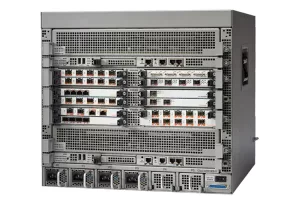
The Huawei 48 Port PoE Switch tackles scalability by offering three layers of flexibility: port density, power allocation, and future-proof design. With 48 ports, it accommodates everything from IP cameras to VoIP phones in one rack unit, eliminating the need for multiple smaller switches. But it’s not just about quantity. Power over Ethernet (PoE) capabilities let you deliver up to 30W per port, supporting energy-hungry devices like PTZ cameras or wireless access points without extra power adapters. This dual role—data and power highway—reduces clutter and operational costs.
What truly sets it apart is adaptive power budgeting. Unlike rigid systems, Huawei’s switch dynamically allocates power based on real-time needs. If a connected device goes idle, that wattage gets redirected to active equipment. For example, in a retail store running digital signage and security systems after hours, the switch prioritizes power to surveillance cameras while scaling back on dormant displays. This intelligence prevents underutilization and avoids costly upgrades.
Future-proofing is baked into its design. The switch supports multi-gigabit speeds (up to 2.5Gbps on select ports) and software-defined networking (SDN) compatibility. When bandwidth demands spike—say, during a 4K video conference or a surge in cloud backups—the hardware doesn’t buckle. Plus, its modular fans and redundant power options ensure uptime even in 24/7 operations.
The Hidden Cost of Ignoring Scalability
Businesses often underestimate how quickly outdated infrastructure becomes a bottleneck. A non-scalable switch might save upfront costs but lead to fragmented networks, frequent hardware swaps, and downtime during upgrades. Imagine a school deploying smart classrooms: starting with 20 devices seems manageable, but adding interactive whiteboards, student tablets, and HVAC controls could double the load within a year. A 24-port switch would force a partial overhaul, while the Huawei 48 Port PoE Switch absorbs growth seamlessly.
Security is another scalability win. Centralized management via Huawei’s eSight platform lets IT teams monitor all ports, apply updates, and detect anomalies from a single dashboard. When new devices join the network—like IoT sensors in a factory—the switch auto-configures VLANs and access policies, reducing human error risks.
Future-Proof or Fall Behind
The Huawei 48 Port PoE Switch isn’t just about meeting today’s needs; it’s about anticipating tomorrow’s unknowns. By combining raw power with adaptive intelligence, it turns scalability from a theoretical advantage into a daily operational asset. Whether you’re scaling a campus network or automating a warehouse, this switch ensures your infrastructure grows with your ambitions—not against them. In an era where downtime equals lost revenue and agility defines competitiveness, settling for less isn’t an option. The real question isn’t whether you need a scalable switch—it’s how much you’ll lose by waiting.






Leave a comment