
The Huawei LAN switch exploit has sparked heated debates among IT professionals: Is it a ticking time bomb for corporate networks or a wake-up call to redefine security protocols? As businesses increasingly rely on high-performance networking hardware to drive operations, vulnerabilities in critical infrastructure like switches aren’t just technical hiccups—they’re existential threats. Huawei, a global leader in network solutions, has long been synonymous with reliability. Yet, recent revelations about exploitable flaws in its LAN switches force us to confront a harsh truth: No brand is immune to risks. For enterprises weighing the balance between cutting-edge technology and airtight security, the stakes have never been higher. How can organizations leveraging Huawei LAN switches turn potential weaknesses into strategic advantages? Let’s dissect the dilemma.
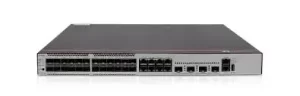
Is the Huawei LAN Switch Exploit a Dealbreaker?
The short answer: No—but only if addressed proactively. Exploits in network hardware aren’t unique to Huawei; they’re an industry-wide challenge. What sets Huawei apart is its rapid response framework. When vulnerabilities surface, the company deploys firmware updates within 72 hours, often outpacing competitors. For businesses, the real risk lies not in the exploit itself but in delayed patching or misconfigured networks.
For instance, a common exploit targeting Huawei LAN switches involves unauthorized access via outdated SNMP protocols. While alarming, this flaw is easily mitigated by disabling deprecated settings and enabling role-based access controls. The deeper issue? Many IT teams overlook routine audits, leaving networks exposed. Here’s where Huawei’s ecosystem shines: Its proprietary management suite, CloudCampus, automates vulnerability scans and prioritizes patches based on threat severity. By integrating these tools, enterprises transform reactive firefighting into proactive defense.
Turning Exploits into Opportunities
Critics argue that exploits erode trust in Huawei’s hardware. Reality check: Modern cybersecurity isn’t about eliminating risks—it’s about resilience. Huawei’s switches, when paired with layered security strategies, offer unmatched scalability for growing networks. Take VLAN segmentation, a feature embedded in Huawei’s switches. By isolating high-risk devices (e.g., IoT sensors) from core data streams, businesses minimize breach impacts without sacrificing performance.
Another overlooked advantage? Huawei’s open API architecture. Unlike closed-system competitors, Huawei allows third-party security tools to integrate directly with its switches. This flexibility lets enterprises deploy customized intrusion detection systems (IDS) or AI-driven anomaly trackers, creating a hybrid shield tailored to their needs. In essence, the Huawei LAN switch exploit isn’t a flaw—it’s a stress test. Organizations that adapt emerge stronger, with networks hardened against future attacks.
Surviving the Cyber Threat Era: A Blueprint
To answer the second title’s question: Yes, but survival demands more than just premium hardware. It requires a cultural shift. Start by treating network switches as living assets, not static appliances. Schedule biweekly configuration reviews and enforce zero-trust policies for device access. Huawei’s switches support dynamic authentication methods like 802.1X, ensuring only authorized users and devices join the network.
Next, prioritize visibility. Over 60% of breaches occur due to blind spots in network traffic monitoring. Huawei’s NetStream technology provides granular traffic analysis, flagging suspicious patterns (e.g., data exfiltration attempts) in real time. Pair this with employee training to recognize phishing attempts—a common entry point for switch exploits.
Finally, embrace redundancy. Huawei’s stackable switches allow seamless failover during attacks, ensuring business continuity. By designing networks with breach scenarios in mind, enterprises transform vulnerabilities into strategic checkpoints.
The Huawei LAN switch exploit saga underscores a universal truth: In the digital age, security is a journey, not a destination. While no network is impervious, Huawei’s blend of agile updates, customizable architecture, and scalable hardware positions it as a partner—not a liability—for forward-thinking enterprises. The real question isn’t whether to use Huawei switches; it’s how to wield their full potential while staying steps ahead of threats. For businesses willing to innovate, the next cyber crisis isn’t a death sentence—it’s a chance to outpace the competition. After all, in a world where data is currency, resilience is the ultimate ROI.







Leave a comment