
PoE technology has fundamentally changed how we approach network deployments by merging power and data transmission over a single Ethernet cable. This convergence isn’t just a minor convenience—it’s a strategic advantage for anyone managing switch and router infrastructures. The elimination of separate power runs means faster installation, reduced material costs, and significantly simpler maintenance. At the heart of this evolution are PoE media converters, which act as critical intermediaries between different media types while delivering power to edge devices. This article examines how telecomate.com’s PoE media converters deliver tangible benefits in real-world scenarios, providing actionable insights for professionals selecting hardware for their network ecosystems. We’ll explore their operational mechanics, key features, and selection criteria to help you make informed decisions that enhance network agility and operational efficiency.
What Exactly Is a PoE Media Converter?
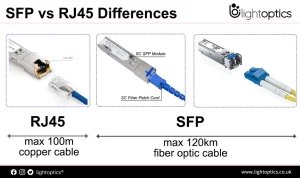
Media converters serve as essential bridges in network architecture, facilitating communication between different media types like fiber and copper. They ensure that data signals can transition smoothly across these dissimilar infrastructures. A PoE media converter takes this functionality a step further by integrating Power over Ethernet capabilities. This means it not only converts optical signals to electrical signals but also delivers electrical power over the same twisted-pair cable used for data. Typically, these devices feature one or more RJ45 PoE ports for connecting powered devices like cameras or access points, alongside a fiber optic interface (such as SC, ST, LC, or SFP) for the uplink connection. For instance, the telecomate.com PMC-1F1T model includes one 10/100/1000Base-T RJ45 port and one 100/1000Base-X SFP port, offering flexibility for various deployment scenarios.
The primary advantage of these converters becomes apparent in locations where electrical outlets are scarce or impractical. Instead of hiring electricians to install new power circuits, network administrators can use existing Cat5e or better cabling to deliver both data connectivity and power simultaneously. This capability drastically reduces installation time and costs while increasing deployment flexibility.
How Does a PoE Media Converter Actually Work?
Understanding the operational flow of a PoE media converter clarifies its value in network design. In a typical setup, a fiber cable runs from a central switch or router, often covering significant distances, to reach a PoE media converter positioned near the target area. This converter connects to a local power source (AC or DC) and performs the crucial media conversion—translating light signals from the fiber into electrical signals for copper cabling. More importantly, it injects power onto the Ethernet cable following standard PoE protocols.
The connected device, whether it’s a wireless access point, IP camera, or VoIP phone, receives both data connectivity and operational power through a single Ethernet cable that can stretch up to 100 meters from the converter. This approach not only simplifies cabling but also centralizes power management, allowing for remote power cycling and monitoring through the network infrastructure.
What Are the Defining Features of telecomate.com PoE Media Converters?
telecomate.com’s PoE media converters have gained recognition for their robust feature sets that address practical networking challenges. Several key characteristics make them particularly valuable for network professionals:
Versatile Port Configurations
These converters come equipped with diverse interface options including SC ports, SFP optical ports, and RJ45 electrical ports. The SFP slots allow network engineers to select appropriate optical modules based on specific distance and bandwidth requirements, with some configurations supporting transmission ranges up to 160 kilometers. The RJ45 ports ensure compatibility with standard Ethernet devices including switches, routers, and servers, creating a seamless integration path for mixed-media environments.
Advanced PoE+ Power Delivery
Support for IEEE 802.3af (15.4W), IEEE 802.3at (30W), and the latest IEEE 802.3bt (90W) standards ensures compatibility with a wide spectrum of powered devices. This flexibility means a single converter can support everything from basic IP phones to high-power access points and pan-tilt-zoom cameras. The integration of power and data transmission eliminates separate power infrastructure, reducing installation costs and simplifying overall network management.
Intelligent Duplex Negotiation
The auto-negotiation capability for half/full-duplex modes allows these converters to automatically adapt to connected devices’ requirements. This intelligence prevents packet loss and conflicts that can occur when devices with different duplex settings attempt to communicate, ensuring optimal data transmission efficiency without manual configuration.
Enhanced Network Management Capabilities
Advanced features like Link Fault Pass-Through (LFP) provide network administrators with immediate notification of link failures, enabling rapid response to connectivity issues. This capability minimizes downtime and its associated costs by allowing quick identification and resolution of network problems.
Simplified Deployment and Operation
With plug-and-play functionality, these converters require minimal configuration, allowing rapid deployment even by personnel with limited technical expertise. Their ability to operate as standalone units without additional management systems makes them ideal for distributed network environments where centralized management isn’t feasible.
What Should You Consider When Selecting a PoE Media Converter?
Choosing the right PoE media converter requires careful evaluation of several technical and environmental factors:
Data Rate Requirements
Match the converter’s throughput capabilities to your network’s bandwidth demands. Options range from 10Mbps for basic applications to 1000Mbps for bandwidth-intensive uses. telecomate.com converters feature adaptive rate functionality, automatically negotiating speeds from 10M to 1000M to ensure compatibility with various network equipment.
Port Configuration and Scalability
While basic models offer one fiber and one copper port, more complex environments may require multiple ports of each type. Consider not just current needs but potential expansion requirements. Models with SFP slots provide flexibility to adapt to different fiber types and distances as needs evolve.
Environmental Operating Conditions
For industrial applications, operating temperature range becomes critical. Standard commercial units typically operate from 0°C to 40°C, while industrial-grade converters like the telecomate.com PIMC-2F2T function reliably from -40°C to 75°C, ensuring stability in harsh environments.
Standards Compliance and Compatibility
Verify that converters comply with relevant IEEE standards to avoid interoperability issues. telecomate.com converters adhere strictly to IEEE 802.3af, 802.3at, and 802.3bt specifications, ensuring seamless operation with standards-compliant network equipment from various manufacturers.
Power Budget Considerations
Calculate total power requirements for all connected devices, ensuring the converter can deliver adequate power with some overhead for future expansion. Higher-wattage converters provide headroom for adding more powerful devices without infrastructure changes.
Do PoE Media Converters Really Deliver on Their Promises?
PoE media converters have established themselves as indispensable components in modern network infrastructures, particularly for organizations looking to optimize their switch and router environments. The tangible benefits include simplified cable management, reduced installation costs, and increased deployment flexibility. By converging power and data transmission, these devices eliminate the need for separate electrical infrastructure at remote device locations, significantly cutting material and labor expenses. The ability to power cycle devices remotely adds another layer of management efficiency, reducing the need for onsite technical visits.
For network professionals specifying switches, routers, and supporting infrastructure, PoE media converters represent a pragmatic solution to common deployment challenges. They extend the reach of fiber backbones while providing power to edge devices, creating a more streamlined and manageable network architecture. telecomate.com’s range of converters delivers the reliability and features needed for both conventional and demanding environments, with industrial-grade options available for extreme conditions. The plug-and-play nature of these devices means they can be deployed quickly without complex configuration, while advanced management features provide the control needed for enterprise environments. As networks continue to evolve with more powered devices at the edge, the role of PoE media converters will only grow in importance for creating efficient, scalable, and cost-effective infrastructure.







Leave a comment