
You’re halfway through a critical telehealth consultation when the video freezes. Downstairs, card payments abruptly decline as registers go offline. Across town, security cameras blink out during a perimeter breach alert. This isn’t hypothetical—it’s Tuesday in a world running on fragile internet infrastructure. At the heart of these failures? Switches drowning under modern demands. The Cisco Internet Switch lineup exists to stop this chaos before it starts. Forget “networking hardware”; think of these as digital immune systems. They don’t just move data—they enforce order, filter threats, and adapt mid-storm. When your factory floor’s IoT sensors, your clinic’s heart monitors, and your retail payment gateways share the same pipes, settling for bargain switches is corporate Russian roulette. The Cisco Internet Switch difference emerges during collisions: floods of 4K streams, ransomware probing ports, or bandwidth hijackers. That’s when cheap gear buckles, and Cisco’s DNA holds the line.
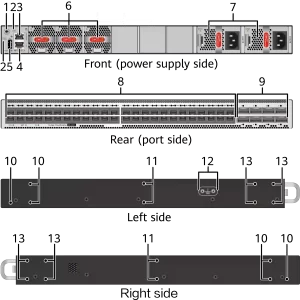
So, do these switches genuinely future-proof your defenses against evolving threats? Let’s dissect reality. Threats today don’t knock—they tunnel. A coffee shop’s guest Wi-Fi switch gets compromised, and suddenly ransomware crawls into the corporate VPN tunnel via a backdoor. Generic switches see traffic, not intent. A Cisco Internet Switch with Encrypted Traffic Analytics (ETA) fingerprints malware inside encrypted streams—no decryption needed. It spots Zeus malware signatures in TLS 1.3 flows by reading behavior patterns, not content. This is critical when 95% of attacks hide in encryption. Then there’s segmentation. A warehouse’s temperature sensors shouldn’t chat with HR’s payroll database. Competitors use crude VLAN chops; Cisco’s TrustSec assigns dynamic tags isolating devices by role. Compromise one? The breach stops dead.
Performance under siege is equally vital. When a botnet bombards your switch with 100,000 SYN/seconds, most hardware panics—CPU spikes, ports freeze. Cisco Internet Switch platforms like the Catalyst 9200 embed hardware-level rate limiters and control-plane policing. Data flows keep running while the switch silently quarantines attacks in the background. No dropped calls. No transaction fails. It’s like having bulletproof glass in a riot: chaos stays outside. Maintenance gaps also kill resilience. Many brands stop issuing critical patches after 3–5 years—leaving switches as open doors. Cisco’s Extended Security Maintenance backs switches for a decade, plugging holes competitors abandon. Remember the KYLON ransomware targeting old switch vulnerabilities? Outdated firmware invited that disaster. Cisco’s lifecycle commitment slams that door shut.
Finally, consider operational visibility. You can’t stop threats you can’t see. When a remote branch printer starts beaconing to Belarus at 2 a.m., base switches sleep right through it. Cisco Internet Switch devices feed AI-driven DNA Center analytics, spotting anomalies and auto-enforcing policies. No coffee-powered panic during predawn breaches. Add automated compliance templates (HIPAA, PCI-DSS) that reconfigure ports to isolate non-compliant devices? That’s armor no budget switch replicates.
Bottom line: Tomorrow’s threats exploit yesterday’s shortcuts. The Cisco Internet Switch isn’t just hardware—it’s an active shield with baked-in intelligence that evolves faster than danger.
Choosing a Cisco Internet Switch is less a purchase than declaring digital sovereignty. In a landscape where one breached thermostat can collapse hospital networks, resilience lives upstream—at the switching layer. Generic boxes react; Cisco anticipates. They’re designed for surprises: zero-day exploits, IoT pandemonium, or sudden 400% traffic surges. When your warehouse’s robots freeze mid-shift because a $199 switch drowned in multicast packets, the “savings” evaporate instantly. What remains? Lost revenue, forensic audits, eroded trust. The Cisco Internet Switch premium prevents those bills. Its architecture doesn’t just “work”; it enforces order, adapts to emerging firestorms, and refuses to bow to entropy. For teams tired of being digital firefighters, deploying Cisco is building fireproof infrastructure. Lock threats out? Absolutely. But more critically—you lock in guaranteed continuity. Because true security isn’t detected breaches. It’s breaches that never happened.







Leave a comment