
Let’s cut to the chase. If you’re researching Cisco 48 port switch models, you’re likely wrestling with real headaches: cramped server rooms bursting with spaghetti cabling, departments complaining about slow access to critical resources, or that nagging feeling your network foundation isn’t ready for tomorrow’s demands. This isn’t about chasing specs; it’s about solving daily operational friction and future-proofing your business flow. A single, strategically placed 48-port switch from Cisco represents more than just a hardware swap; it’s a pivotal step towards consolidating connections, boosting bandwidth where it counts, and slashing the complexity that bogs down your IT team. That core upgrade can fundamentally shift how reliably and swiftly your entire organization operates.
So, the burning question remains: Can this cornerstone switch transform network chaos into rock-solid agility?
Absolutely. The answer lies in understanding the specific advantages a true 48-port core device from Cisco offers. Forget the buzzwords; let’s talk about what actually matters on the ground:
- Density That Delivers: The most obvious win. Needing fewer physical switches drastically cleans up the rack. Fewer boxes mean less power consumption, easier cooling management, and massively simplified cable runs behind the rack. It’s not glamorous, but untangling that rat’s nest saves countless hours on troubleshooting or adding new devices. Instead of cobbling together multiple smaller switches (often daisy-chained in ways that create bottlenecks), a single, purpose-built 48 port switch provides a clean, consolidated backbone.
- Performance Beyond Port Count: It’s not just about having 48 sockets. The crucial factor is how much data the switch fabric can handle simultaneously across all those ports. High-end Cisco 48 port switches are engineered for non-blocking throughput – meaning every port can run at its max speed (like 1Gbps or 10Gbps) concurrently, without internal slowdowns. This is critical for avoiding internal bottlenecks when multiple departments or high-demand applications (like video conferencing servers or large file transfers) are hammering the core. Think of it as the difference between a multi-lane highway with smooth merging and a single lane clogged with traffic.
- Resilience Built-In: Core switches aren’t just about speed; they’re about staying online. Look for features often found in Cisco 48 port switch models aimed at this role: hot-swappable power supplies that allow you to replace a failed unit without taking the network down, redundant fans for cooling safety, and support for protocols like StackWise Virtual. This creates virtualized stacking, allowing multiple physical switches to operate and be managed as one resilient unit. If one fails, traffic automatically reroutes. Downtime isn’t just inconvenient; it’s expensive. This built-in resilience acts as your insurance policy.
- Beyond Basic Connectivity: Consider your actual cable needs. Does your core need to power phones, wireless access points, or security cameras? Many Cisco 48 port switch models offer PoE+ or even PoE++ ports, delivering significant power over the Ethernet cable itself. This eliminates the need for separate power adapters at the endpoint location, simplifying deployment and improving reliability (one less point of failure). Crucially, investigate the switch’s overall PoE budget. A switch might have 48 PoE ports, but if its total power supply can only realistically handle powering 20 high-draw devices simultaneously, it becomes a major limitation. Ensure the total power budget aligns with your current and projected PoE device count. Additionally, look for models offering uplink flexibility – multiple 10G SFP+ ports or even 25G/40G ports provide the essential high-speed paths to routers, servers, or aggregation points without creating new bottlenecks.
- Scalability and Intelligence: While you might only fill 40 ports today, that extra capacity offers breathing room for adding new branch office gear, IoT devices, or more users without needing another hardware project immediately. Furthermore, modern Cisco core switches integrate robust management and security features. Granular Quality of Service (QoS) ensures voice and video traffic get priority over less critical data, preventing glitches. Advanced security features help segment network traffic, manage access control effectively, and provide visibility into potential threats across the core fabric.
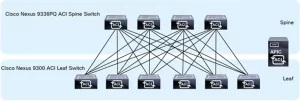
Simply plugging in any switch won’t magically create agility. Success hinges on selecting the right model category (e.g., robust Catalyst 9200L vs higher-end Catalyst 9300 vs data-center ready Nexus models) and configuring it strategically. This involves setting up appropriate VLANs for segmentation, implementing strong QoS policies for traffic prioritization, designing resilient uplinks using technologies like LACP for link aggregation, and establishing robust monitoring. Avoid the common pitfall of choosing a device based purely on port count without deep diving into its actual throughput, stacking capability, PoE budget, and suitability for the sustained demands of a core location.
Ultimately, investing in a well-chosen Cisco 48 port switch isn’t just about buying hardware; it’s about investing in operational sanity and future capacity. Yes, it solves the immediate pain point of port scarcity, but its true value surfaces in the long run: drastically simplified network management that frees up valuable IT time, robust reliability minimizing costly downtime, the seamless headroom to integrate new technologies without a major overhaul, and the consolidated, high-speed backbone that ensures critical applications actually perform when needed. The transformation from chaotic, patchwork connectivity to a streamlined, high-performance core isn’t just possible; it’s the fundamental upgrade that unlocks genuine network agility and positions your infrastructure to confidently handle whatever comes next. Stop wrestling with limitations; that powerhouse switch is ready to build your new, rock-solid foundation.







Leave a comment