
Your warehouse CCTV cuts out during a midnight security breach. ICU patient monitors flicker during critical care. Hotel check-ins stall when tour buses unload. These aren’t glitches—they’re infrastructure heart attacks screaming for intelligent intervention. That’s where ZTE smart network switches emerge from the shadows. Forget legacy boxes passively moving packets. We’re talking about hardware with surgical-grade situational awareness, sensing threats before alarms trigger and rerouting traffic whileattacks unfold. Picture a city hospital: Thousands of IoT devices — infusion pumps, smart beds, visitor Wi-Fi — constantly probing bandwidth limits. Standard switches overload. A ZTE smart switch dissects patterns in real-time, isolating bottlenecks like a network cardiologist. This isn’t hardware shopping. It’s deploying a nervous system for your critical operations.
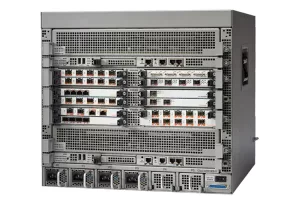
How Does It Actually Transform Ordinary Networks?
Let’s gut-punch misconceptions. ZTE smart network switches aren’t “smarter” because of buzzwords. They deliver surgical solutions for these five bleeding wounds:
1. Blind Spots Crippling Security
Typical switches rely on external tools to spot threats. ZTE’s embedded AI engine analyzes traffic within the hardware. See a sensor suddenly beaconing encrypted data outside business hours? It automatically throttles that port and triggers alerts before your SOC wakes up. No added latency. No CPU tax.
2. Configuration Nightmares
Ever spent hours manually setting VLANs across branches? ZTE Cloud Management deploys zero-touch provisioning with drag-and-drop templates. New retail store? Push consistent firewall rules, QoS profiles, and port configurations to every ZTE switch in under 90 seconds. Say goodbye to CLI-induced migraines.
3. Unplanned Downtime Dominoes
Most switches crash when uplinks fail. ZTE’s IRF stacking combines multiple units into one logical brain. Yank a fiber during peak stock trading? Traffic shifts seamlessly—sub-50ms—with ZTEPROS (ZTE Programmable Resilient Operating System) rerouting flows at the silicon level.
4. IoT Tsunamis Drowning Performance
Warehouse scanners, HVAC controllers, and robots don’t play nice. Smart dynamic buffering prioritizes mission-critical streams while isolating chatty devices. Run “display qos-queue stats”: Spot bandwidth hogs before they choke POS systems during holiday rushes.
5. Upgrade Purgatory
Legacy gear demands maintenance windows for patches. ZTE’s ISSU (In-Service Software Upgrade) loads firmware in the background—flips active planes without rebooting. Hospital network? Update cardiac ward switches during surgery. Zero disruptions.
Real-World Scalpel Applications:
•
Retail: Dedicated low-latency lanes for mobile payments, throttling TikTok in checkout zones
•
Smart Factories: Machine vision cameras bypassing email traffic via MPLS-like segment routing
•
University Dorms: Auto-blocking torrent ports during exams while prioritizing e-learning platforms
Stop gambling uptime on dumb metal. Deploying ZTE smart network switches means betting on sentient infrastructure—hardware that spots a failing power supply at 3 AM, reroutes cooling tower controls before overheats, and throttles zero-day exploit attempts at line speed. When a casino’s jackpot system doesn’t freeze during high-roller plays, when a stadium’s ticketing app survives 70,000 concurrent users, when an ICU telemedicine feed stays crystal clear—that’s the silent genius working. ZTE doesn’t sell switches. It sells predictability. Because when your network stops choking on its own complexity, your business finally exhales. Welcome to operational confidence—where downtime fears retire and infrastructure serves instead of sabotages. Don’t just connect. Command.







Leave a comment