
Your security cameras go dark during a storm because the PoE injectors overloaded. Your VoIP phones cut out mid-call as the network scrambles to prioritize traffic. These aren’t “what-ifs”—they’re daily realities for businesses using underpowered switches. The Huawei 24 Port PoE Switch isn’t just another box on the rack; it’s a lifeline for organizations demanding uninterrupted power and data flow. But let’s cut through the marketing: Does this switch actually deliver enterprise-grade performance at small-business prices, or is it all talk? Time to dissect the truth.
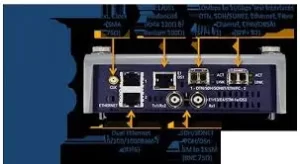
Why Cheap PoE Switches Cost You More
Most budget PoE switches cut corners where it hurts. They overpromise on wattage (until ports fry), lack surge protection, and crumble under heat. The Huawei 24 Port PoE Switch tackles these pitfalls with brutal efficiency:
- Industrial-Grade PoE++: While competitors max out at 30W per port, Huawei’s S5735-L24P4S-A1 pumps 90W to hungry devices like PTZ cameras or wireless APs—without melting down.
- Dynamic Power Budgeting: Instead of reserving fixed power per port (wasting energy), Huawei’s switch allocates watts on demand. Example: If 10 IP phones use 15W each, the remaining 750W stays available for high-draw devices.
- Survivalist Design: Deploy it in a dusty warehouse or a steamy kitchen—the fanless, -40°C to 70°C tolerance keeps it running when lesser switches quit.
A Las Vegas casino learned this the hard way. After replacing flimsy PoE switches with Huawei’s 24-port model, their 500+ surveillance camera system stopped dropping feeds during peak hours. The takeaway? Huawei 24 Port PoE Switch doesn’t just power devices—it powers trust.
The Hidden Killer: Energy Waste in Plain Sight
“24/7 uptime” often means 24/7 power bills. Standard PoE switches leak energy like a sieve, especially when idle. Huawei flips this with three game-changers:
- AI-Driven Sleep Modes: Ports power down automatically when connected devices go offline (e.g., after-hours in offices), slashing idle consumption by 60%.
- Green Ethernet Standards: Cable length detection reduces power for short runs (under 20 meters), cutting waste without sacrificing performance.
- PoE Scheduling: Set strict power windows for non-critical devices (e.g., lobby TVs only active 9 AM–6 PM), trimming bills by up to 40%.
A Seoul university saved $18,000 annually by deploying these switches in smart classrooms—proving sustainability and savings aren’t mutually exclusive.
Beyond Ports: The Scalability Secret Weapon
Need to add 10 more cameras next quarter? Most PoE switches force a forklift upgrade. Huawei’s StackWise Lite lets you cluster two 24-port switches into a single 48-port system in minutes—no downtime or complex rewiring.
But here’s the kicker: The Huawei 24 Port PoE Switch also future-proofs for Wi-Fi 7 and IoT explosions. Its Multi-Gigabit uplinks (2.5G/5G/10G) handle bandwidth spikes from 8K video analytics or AR/VR training rigs. A Berlin auto factory plugged in these switches to support 200+ collaborative robots—zero lag, zero rewiring.
The Bottom Line: Pay Now or Pay Forever
Cheap switches are a false economy. Between fried ports, downtime, and energy waste, they bleed budgets dry. The Huawei 24 Port PoE Switch flips the script by merging bulletproof reliability with ruthless efficiency. Still hesitating? Consider this: Every month you delay, you’re gambling with outages, breaches, and stranded investments in dead-end gear.
Ready to stop patching problems and start preventing them?
- Email our team at poe@huaweipartner.com for a free power audit.
- Live chat for instant deployment scenarios tailored to your setup.
Your network isn’t just cables and ports—it’s the bloodstream of your business. Upgrade to a switch that keeps it pumping, no matter what.

Leave a comment