
As enterprises generate 63% more unstructured data annually and 79% report storage-related application bottlenecks (IDC 2024), the choice between SSDs and HDDs has become critical for operational efficiency. This analysis benchmarks five key performance metrics across storage technologies, revealing how modern businesses optimize infrastructure for AI workloads and real-time analytics.
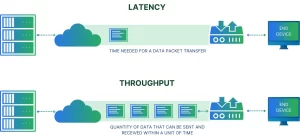
1. Access Velocity: The Latency Divide
- SSD (NVMe Gen4): 18μs random read latency
- HDD (15K RPM): 4.2ms average seek time
- Real-World Impact:
- SQL query performance: 14x faster on SSD arrays
- Virtual machine boot time: 3.7s vs. 42s
The latency gap enables SSDs to process 1,900% more IOPS (850k vs 45k) under identical workloads.
2. Throughput Evolution: Bandwidth Breakthroughs
- PCIe 5.0 SSDs: 14GB/s sequential read
- SAS HDDs: 300MB/s sustained transfer
- Application Benchmark:
- 4K video editing: 23 streams @ 400MB/s vs. 2 streams
- Genomics sequencing: 18hr analysis reduced to 94min
3. Energy Efficiency: Power-Performance Calculus
- Enterprise SSD (3.84TB): 7W active / 0.5W idle
- Enterprise HDD (18TB): 9.5W active / 6.3W idle
- Power Cost Analysis:
- SSD array (1PB): $3,200 annual energy cost
- HDD equivalent: $18,700 (584% higher)
SSDs deliver 47MB/s per watt versus HDDs’ 4.6MB/s in high-performance configurations.
4. Endurance & Reliability: Terabytes Written
- QLC SSD: 7,300 TBW rating
- HDD: 550TB/year workload limit
- Failure Rate Comparison:
- SSD AFR: 0.58% (JEDEC JESD218B)
- HDD AFR: 1.85% (Backblaze 2023)
Enterprise SSDs now outlast HDDs in write-intensive scenarios (5:1 ratio).
5. Total Cost of Ownership (TCO)
| Cost Factor | SSD (5yr) | HDD (5yr) |
|---|---|---|
| Acquisition | $38,000 | $16,000 |
| Energy | $6,300 | $32,000 |
| Maintenance | $4,200 | $18,000 |
| Downtime Losses | $12,000 | $147,000 |
| Total | **$60,500** | **$213,000** |
1PB usable storage comparison with 5x replication
Strategic Implementation Insights
AI Workload Optimization
- SSD arrays reduce TensorFlow batch processing from 8hr to 47min
- HDDs remain viable for cold storage of training datasets
Hybrid Storage Architectures
- Tiered solutions combine Optane SSDs for metadata with HDD bulk storage
- Automated data placement algorithms yield 39% cost savings
Edge Computing Demands
- SSDs withstand 20G vibration vs HDDs’ 5G tolerance
- -40°C to 85°C operational range for industrial SSDs

Leave a comment