
Your team is mid-presentation, clients are online, and suddenly—the network freezes. All eyes turn to IT, but the culprit isn’t the Wi-Fi or the server. It’s your default gateway switch, the silent traffic director that’s supposed to keep data flowing seamlessly. While often overlooked, this device acts as the backbone of communication between local networks and external systems. Huawei default gateway switches, however, aren’t just about basic routing—they’re engineered to prevent catastrophic downtime. But why do so many businesses underestimate this component, and could upgrading to Huawei’s technology eliminate the vulnerabilities crippling your operations? Let’s unpack how a flawed gateway switch sabotages productivity and why Huawei’s approach is rewriting the rules.
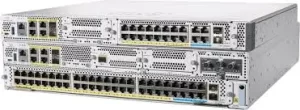
The Default Gateway Switch Crisis: Why “Good Enough” Isn’t Enough
A default gateway switch operates like a traffic cop for your network, directing data packets between subnets. The problem? Most legacy switches are built for yesterday’s demands. They lack the intelligence to prioritize mission-critical traffic, resulting in congestion during peak hours. For instance, a manufacturing plant using IoT sensors might experience delayed alerts if the gateway can’t distinguish urgent machine data from routine updates. Huawei default gateway switches solve this with adaptive routing algorithms that analyze traffic in real time. Picture a system that instantly reroutes data during a surge, ensuring ERP systems or video conferencing tools never compete for bandwidth.
Then there’s the security gap. Older switches often rely on static routing tables, making them easy targets for spoofing or DDoS attacks. Huawei integrates AI-powered intrusion detection directly into its switches, spotting anomalies like unusual traffic patterns from unrecognized IP addresses. Unlike traditional models that only block threats reactively, Huawei’s switches quarantine suspicious activity before it infiltrates the network.
Huawei’s Gateway Innovation: Beyond Basic Connectivity
The bigger question isn’t whether to upgrade—it’s how to future-proof your network without overhauling existing infrastructure. Huawei default gateway switches tackle this through three game-changers: adaptive failover, seamless scalability, and energy efficiency.
First, let’s talk failover. Traditional switches often take critical seconds to reroute traffic during a hardware failure—enough to trigger timeouts in cloud applications. Huawei’s switches employ hitless failover, switching to backup paths in milliseconds. For industries like e-commerce or healthcare, where even a moment of downtime costs revenue or risks patient safety, this feature alone justifies the upgrade.
Second, scalability. Growing businesses add devices daily—new servers, IoT sensors, remote offices. Legacy switches require manual reconfiguration each time, creating IT backlogs. Huawei’s CloudEngine S5735 series automates VLAN assignments and IP routing, allowing plug-and-play expansion. Retail chains, for example, can deploy new POS systems or security cameras without waiting for centralized IT approval.
Third, sustainability. Huawei’s energy-efficient design cuts power consumption by up to 30% compared to conventional switches. For organizations with hundreds of switches across global offices, this translates to lower operational costs and a smaller carbon footprint—critical for meeting modern ESG benchmarks.
But performance isn’t just about specs. Consider a university campus where students stream lectures while admin systems process payroll. A Huawei default gateway switch dynamically allocates bandwidth to prioritize academic platforms during class hours, then shifts resources to backend tasks after hours. This “set-and-forget” intelligence reduces manual IT and ensures optimal performance 24/7.
Future-Ready Networks Start at the Gateway
Ignoring your default gateway switch is like building a sports car with a bicycle’s steering wheel—it might move, but it’ll never perform under pressure. Huawei default gateway switches eliminate single points of failure, enabling networks to adapt to AI workloads, edge computing, and hybrid cloud environments. Companies clinging to outdated hardware face relentless risks: security breaches, inefficiency penalties, and lost customer trust during outages.
Investing in Huawei isn’t just about fixing today’s headaches; it’s about laying a foundation for seamless innovation. Think automated factories where machines self-diagnose issues via real-time data, or smart cities where traffic systems communicate flawlessly with emergency services. None of this is possible without a gateway switch that prioritizes, protects, and scales intelligently. The bottom line? Your network’s weakest link doesn’t have to be its downfall—not if you redefine what a gateway can do.

Leave a comment