
Introduction: The $1,000,000 Decision in Modern Network Engineering
For telecom infrastructure leaders and network architects, the decision between Layer 2 and Layer 3 switching is more than a technical specification choice; it is a strategic financial decision that impacts total cost of ownership (TCO), scalability, and operational efficiency. In an era where network downtime costs an average of $5,600 per minute and bandwidth demands grow exponentially, aligning your hardware architecture with both technical requirements and fiscal responsibility is paramount . This guide provides a senior architect’s blueprint for conducting a comprehensive TCO analysis of Layer 2 vs Layer 3 switches, moving beyond the specification sheet to examine real-world CapEx, OpEx, and performance gains.
CapEx vs OpEx: The True Cost of Switching Hardware
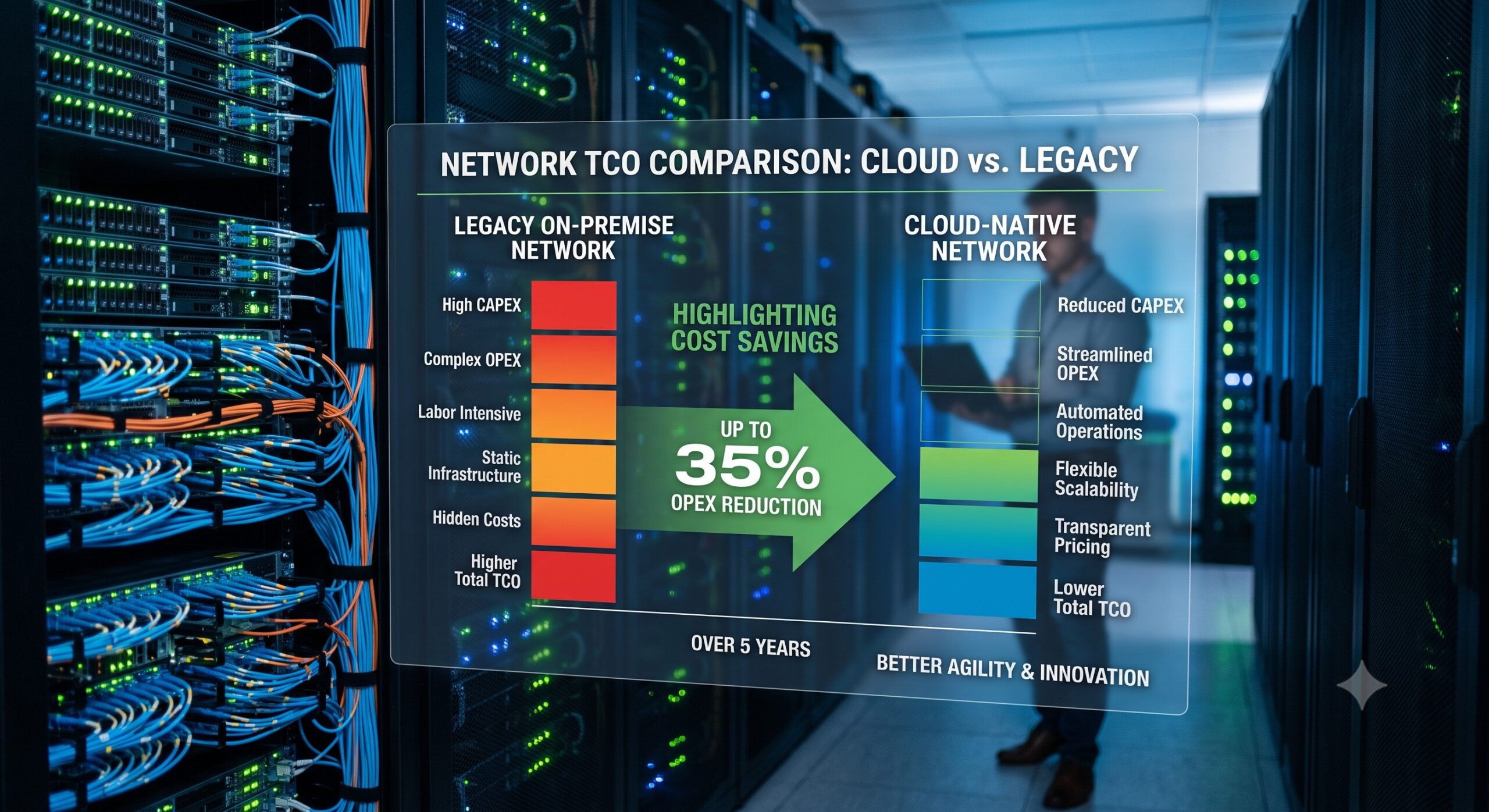
The initial purchase price (Capital Expenditure) is often the primary focus, but it represents only the tip of the iceberg. Layer 2 switches offer a significantly lower upfront cost due to their simpler ASIC (Application-Specific Integrated Circuit) designs and lack of complex routing processors . However, in large enterprise or data center environments, the lower CapEx of Layer 2 can be offset by higher Operational Expenditure (OpEx) due to the need for dedicated routers for inter-VLAN communication and increased administrative overhead.
Hardware Cost Dynamics
- Layer 2 CapEx: Lower per-port cost. Ideal for access layer deployments with high port density. A typical 48-port Gigabit Layer 2 switch costs significantly less than its Layer 3 counterpart.
- Layer 3 CapEx: Higher per-port cost. Incorporates a routing engine and more sophisticated hardware logic. However, this initial investment is often consolidated because a single Layer 3 switch can replace the need for a separate router and multiple Layer 2 switches in a distribution topology, thereby reducing total hardware count and rack space .
- OpEx (Power & Cooling): Layer 3 switches generally consume more power (Watts per Gbps) due to the increased processing power. This is a critical metric in high-density data centers, where a difference of 10-20W per switch translates to thousands of dollars annually in utility costs and cooling infrastructure overhead .
| Cost & Performance Parameter | Layer 2 Switch (Access) | Layer 3 Switch (Core/Distribution) |
|---|---|---|
| Typical CapEx per 48-Port GbE Unit | $5,000 – $10,000 | $15,000 – $30,000+ |
| Operational Cost (Watts per Gbps) | ~0.1 – 0.3 W | ~0.4 – 0.8 W |
| Forwarding Rate (Mpps) | Up to 130 Mpps (MAC-based) | > 300 Mpps (IP-based) |
| MTBF (Hours) | 100,000 – 200,000 | > 300,000 (Redundant PSU) |
| Inter-VLAN Routing | Requires External Router | Built-in Hardware Routing |
| Security Features (ACLs) | Limited / Software-based | Hardware-based ACLs, QoS |
Performance Metrics and Financial Impact
Performance directly impacts ROI. Layer 2 switches forward frames based on MAC addresses, providing near wire-speed performance with minimal latency for intra-VLAN traffic, typically achieving switching capacities of 1 Tbps and above with sub-microsecond latency in modern data centers . Conversely, Layer 3 switches perform routing functions, often utilizing cut-through switching for packets, which can significantly reduce latency compared to traditional routers. While processing more information, modern Layer 3 switches utilize specialized hardware to achieve wire-speed routing, often supporting protocols like OSPF and RIP to manage complex traffic patterns efficiently .
Key Performance Indicators (KPIs) for TCO
- Forwarding Rate (Mpps): Critical for measuring routing capacity. A Layer 3 switch with a high Mpps rating is essential for bandwidth-intensive applications like VoIP and video conferencing, ensuring Quality of Service (QoS) and preventing bottlenecks .
- Mean Time Between Failures (MTBF): Carrier-grade and enterprise Layer 3 switches typically boast higher MTBF ratings (e.g., > 300,000 hours) due to redundant power supplies and hot-swappable fan trays. In contrast, lower-cost Layer 2 switches may have lower MTBF, increasing the risk of unplanned downtime .
- Latency: For financial trading or high-performance computing environments, latency in microseconds is a hard requirement. Layer 3 switches, despite their routing complexity, are engineered to deliver ultra-low latency for inter-subnet traffic .
Lifecycle Management and Enterprise Integration
A holistic TCO assessment must include the end-of-life and migration phase. Layer 3 switches offer superior scalability, supporting the integration of new subnets and VLANs as the organization grows, thereby extending the lifecycle of the hardware investment . The ability to implement Access Control Lists (ACLs) and security policies directly on the switch reduces the need for external security appliances, which is a significant OpEx reduction .
Furthermore, while Layer 2 switches are plug-and-play, Layer 3 switches require advanced configuration and network engineering skills. This represents a hidden OpEx cost: the need for certified personnel. However, the automation capabilities and improved network visibility offered by Layer 3 switches can lower the burden on Network Operations Center (NOC) teams in the long run .
Conclusion: The Strategic Verdict on TCO
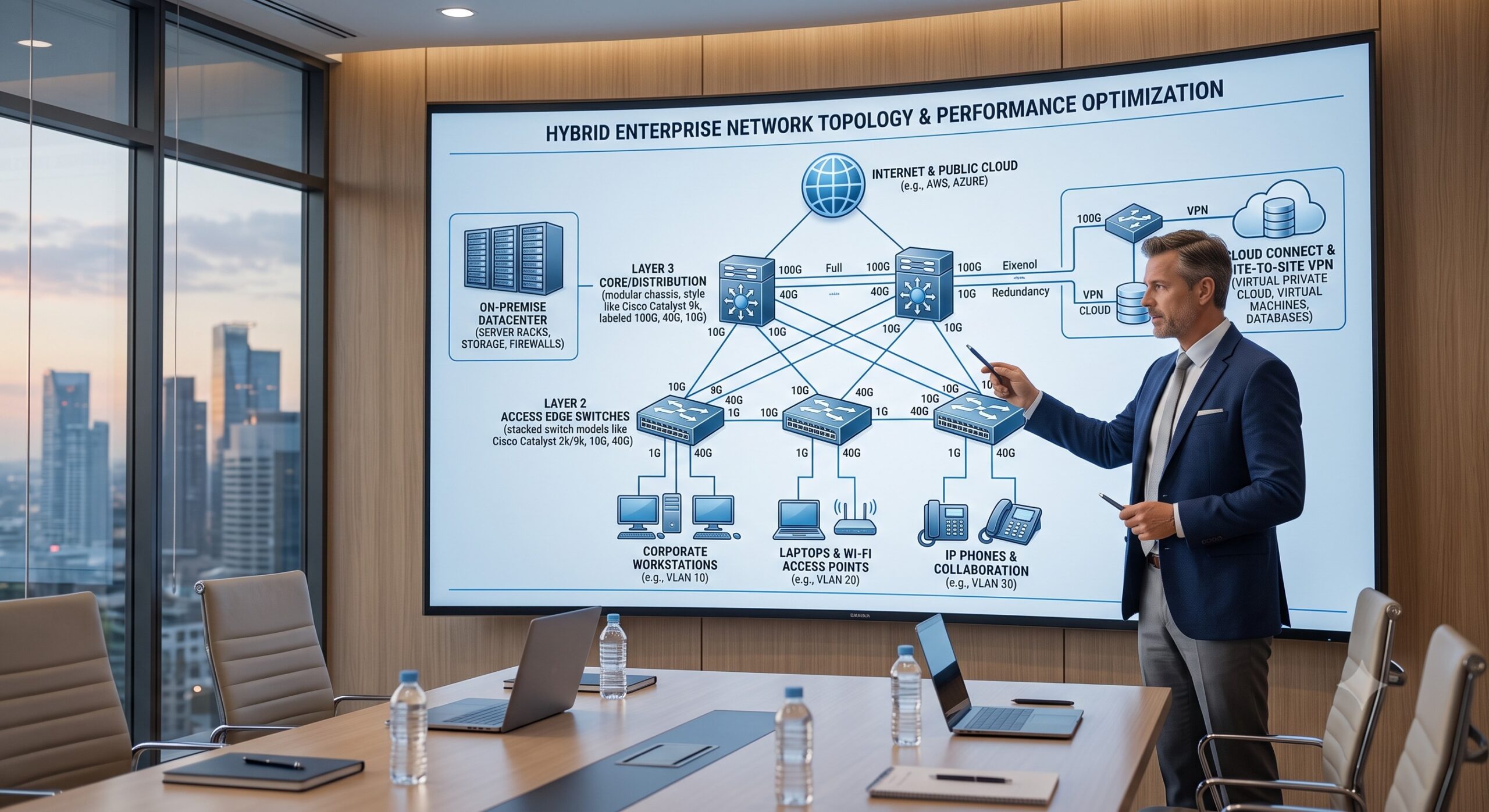
Choosing between Layer 2 and Layer 3 switches is not about finding the cheapest option; it is about finding the most cost-effective solution for your specific network architecture. For simple, single-subnet networks, a Layer 2 solution provides excellent ROI . However, in modern enterprise environments requiring inter-VLAN routing, high availability, and traffic segmentation, Layer 3 switches deliver unmatched ROI by consolidating hardware, reducing latency, and providing the necessary scalability for digital transformation initiatives . A hybrid model, where Layer 3 switches are deployed at the core and distribution layers while Layer 2 switches serve the access layer, remains the gold standard for balancing performance and cost .

Leave a comment