
EXECUTIVE SUMMARY
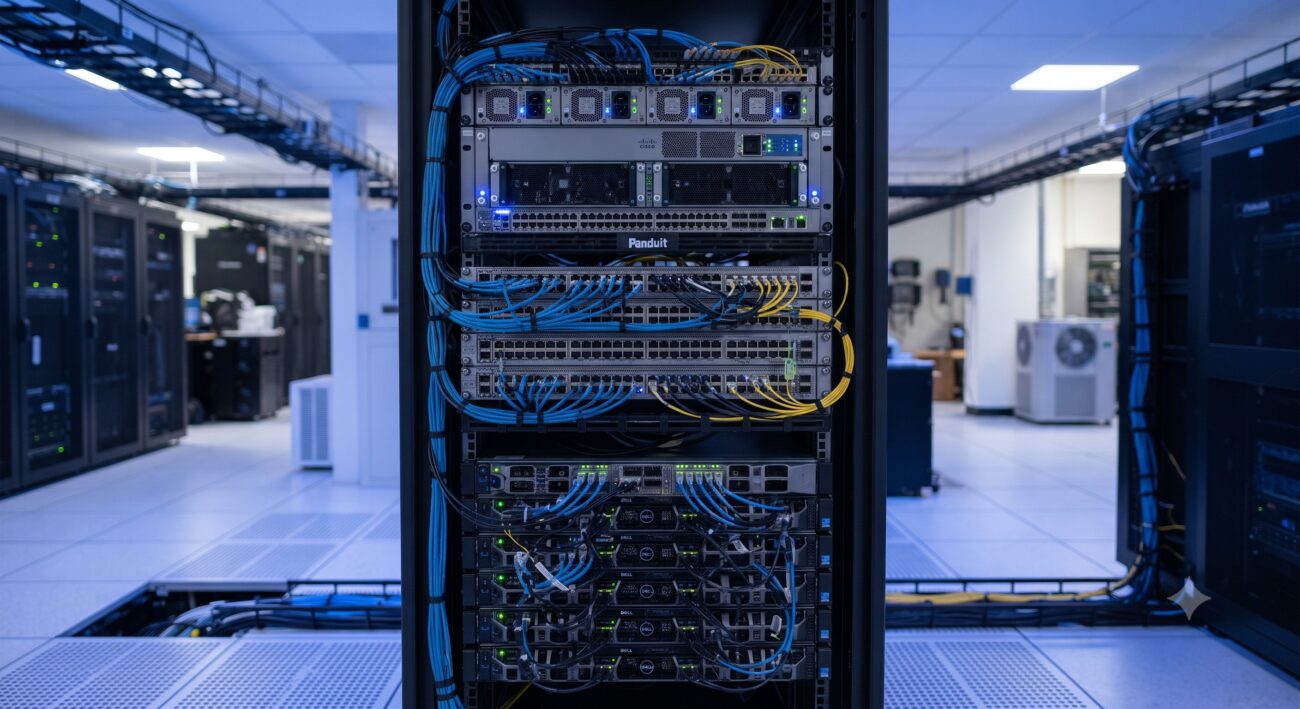
The Cisco Nexus 9000 Series Troubleshooting Guide is the definitive technical reference for network engineers and data center architects tasked with maintaining the highest levels of operational integrity within Cisco’s premier switching portfolio. This document serves as the official hardware datasheet and operational overview, providing a comprehensive examination of the physical and logical components that constitute the Nexus 9000 family, with a dedicated focus on diagnostic capabilities, fault isolation procedures, and proactive health monitoring. Designed for the modern, high-density data center, the Nexus 9000 Series delivers programmable, high-performance, and highly available networking. This guide delineates the hardware and software interdependencies, clarifying the behavior of the forwarding plane, control plane, and management plane to accelerate Mean Time To Repair (MTTR) and ensure service continuity. By integrating this troubleshooting framework with the platform’s robust telemetry and automation capabilities, organizations can transition from reactive break-fix models to a predictive operational stance, ensuring that the network infrastructure remains a resilient and agile foundation for business-critical applications.
ARCHITECTURE & CHASSIS DESIGN
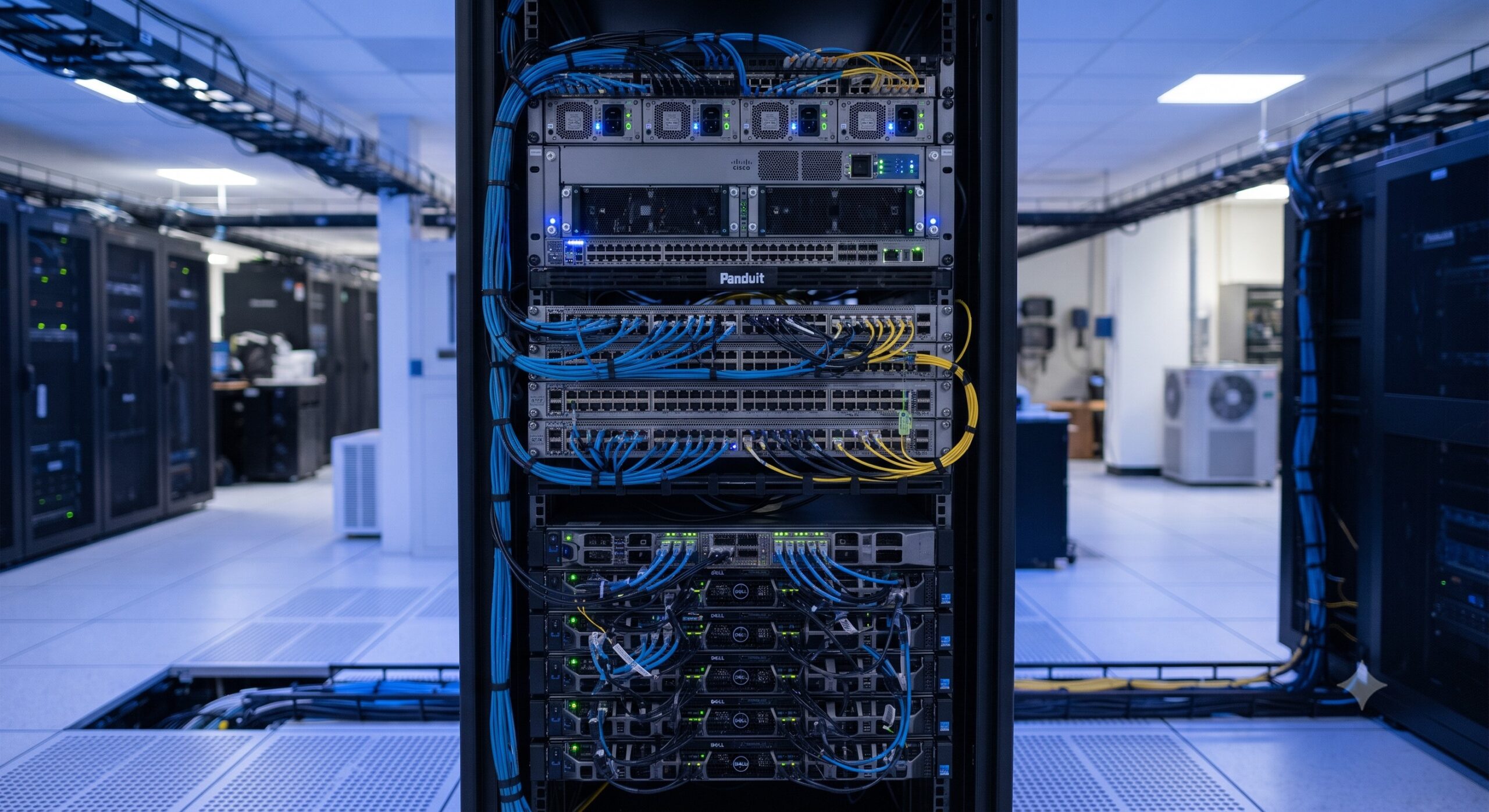
The Cisco Nexus 9000 Series is architected to support a wide spectrum of deployment scenarios, ranging from traditional enterprise data centers to massively scalable cloud provider infrastructures. The portfolio is bifurcated into two primary hardware classes: the fixed-configuration switches (such as the Nexus 93180YC-FX, 9348GC-FXP, and 9364C-GX) and the modular chassis-based systems (including the Nexus 9500 Series). The fixed-configuration models are optimized for top-of-rack (ToR) and leaf-spine architectures, offering a dense array of high-speed Ethernet ports (10/25/40/100 Gigabit) within a compact 1RU or 2RU form factor. The chassis-based systems, conversely, provide unparalleled scalability and flexibility, supporting up to 16 line card slots and a high-capacity fabric with multiple supervisor modules for stateful switchover (SSO). The backplane architecture, particularly in the 9500 Series, utilizes a Clos-based, non-blocking fabric with up to 172.8 Tbps of switching capacity, ensuring predictable, low-latency performance for any packet size. Critical to troubleshooting is understanding the physical hierarchy: identifying the role of the supervisor, the fabric modules, and the line cards, as well as understanding the power distribution and fan tray configurations, which are all detailed in the embedded hardware field-replaceable unit (FRU) identification matrix.
HARDWARE FEATURES
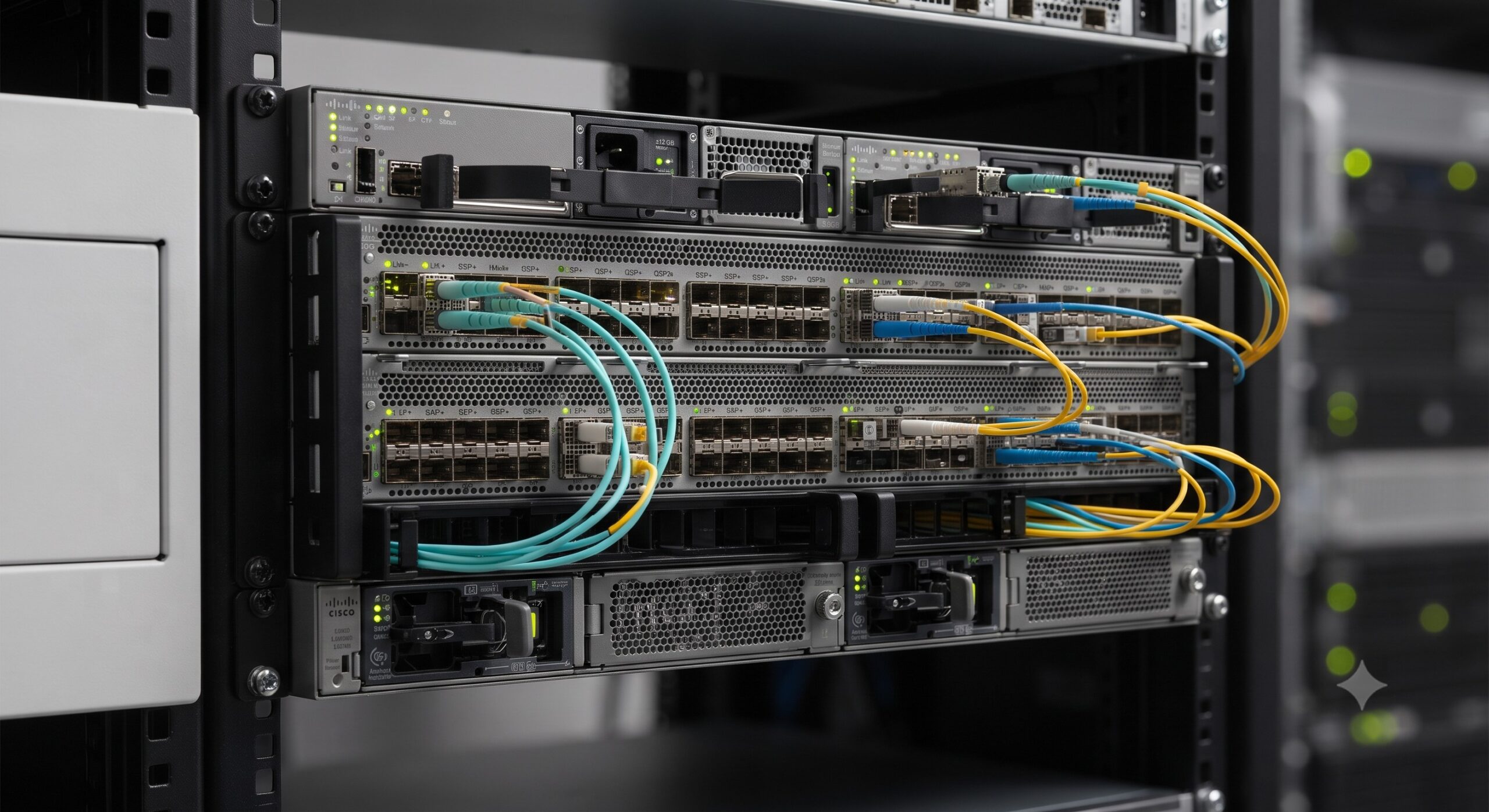
The Nexus 9000 Series stands as a testament to innovation in hardware engineering, embedding custom Cisco Cloud Scale ASICs that are purpose-built for modern application demands. These ASICs deliver not only line-rate forwarding but also integrated intelligence for VXLAN routing and bridging, network address translation (NAT), and robust security access control lists (ACLs) without impacting performance. Key hardware features include: support for flexible forwarding tables (mac, route, and access control entries that can be repurposed based on operational needs), integrated wire-rate encryption (MACsec) for securing data in transit between switches, and a sophisticated shared buffer architecture that absorbs micro-bursts characteristic of east-west traffic patterns in hyperscale environments. The physical port configurations are highly granular, with transceiver support for a diverse range of optical and copper media, including SFP, SFP+, QSFP, and QSFP-DD modules. From a troubleshooting perspective, the front-panel LED statuses—providing immediate visual cues on link speed, administrative status, and diagnostic health (e.g., SFP module temperature and voltage anomalies)—are the first line of defense. The hardware architecture also incorporates a comprehensive environmental monitoring subsystem, with temperature sensors strategically placed across the ASICs, power supplies, and backplane, providing vital real-time data that is exposed via the NX-OS command-line interface (CLI) and streaming telemetry for proactive fault mitigation.
COMPLIANCE & STANDARDS
Deployment of the Cisco Nexus 9000 Series is underpinned by a rigorous adherence to global industry standards and compliance certifications, ensuring interoperability and regulatory conformance in diverse geopolitical regions. The hardware meets and exceeds the requirements for electromagnetic compatibility (EMC) as defined by FCC, CE, and ICES, alongside safety certifications like UL, CSA, and IEC 60950-1 / IEC 62368-1. The series is also fully compliant with the IEEE 802.3 Ethernet standards, including 10GBASE-T, 25GBASE, 40GBASE, and 100GBASE specifications, guaranteeing seamless integration with heterogeneous network equipment. On the software front, the Nexus 9000 supports a comprehensive suite of protocol standards, encompassing IPv4/IPv6, BGP, OSPF, EIGRP, PIM, and an exhaustive list of MPLS and VXLAN protocols. For storage networking, Fibre Channel over Ethernet (FCoE) and Data Center Bridging (DCB) standards are fully supported. The platform is also designed to meet the stringent data protection and privacy requirements of the financial, healthcare, and government sectors, including FIPS 140-2 validation and Common Criteria certifications for the NX-OS operating system. This compliance framework is critical for troubleshooting in that it provides a guaranteed baseline of expected behavior, ensuring that diagnostic efforts are not hampered by vendor-specific deviations from standard protocol implementations.
TECHNICAL SPECIFICATIONS
The operational boundaries and physical specifications of the Cisco Nexus 9000 Series are defined with precision to enable optimal deployment and performance tuning. Physical attributes vary by model: the fixed switches, for example, the Nexus 93180YC-FX, are housed in a 1RU chassis weighing approximately 11 lbs (5 kg) with dimensions of 1.72 x 17.3 x 22.5 inches. The modular Nexus 9508, in a fully loaded configuration, weighs over 200 lbs and occupies 13RU. Environmental tolerances are a key element of the hardware’s ruggedness, with operational temperatures ranging from 0°C to 40°C (32°F to 104°F) and non-operating temperatures extending from -40°C to 70°C (-40°F to 158°F). Humidity parameters specify 5% to 90% (non-condensing) operational and 5% to 95% non-operational. The acoustical noise levels, critical for data center compliance, are specified at a maximum of 60 dBA for the fixed models and can exceed 75 dBA for the modular systems under full load. All power supply units (PSUs) are hot-swappable and available in AC (100-240V) and DC (-48V to -60V) options with N+1 and N+N redundancy architectures to support comprehensive power resilience. The critical performance metrics are detailed below, providing a definitive baseline against which system health and capacity can be measured.
| Parameter | Specification |
|---|---|
| Form Factor | Fixed (1RU/2RU) and Modular (2-16 Slot Chassis) |
| Switching Capacity | Up to 172.8 Tbps (Nexus 9500 Series) |
| Power Supply | Hot-swappable: 1+1, N+1, or N+N Redundant AC/DC |
| Operating Temperature | 0°C to 40°C (32°F to 104°F) |
| Relative Humidity (Operating) | 5% to 90% (non-condensing) |
| MTBF (Typical) | > 300,000 Hours |
| Forwarding Table Scale | Configurable: Up to 1M IPv4 Routes / 2M MAC Entries |
| Port Speeds Supported | 10/25/40/100/400 Gigabit Ethernet |
| Processor | x86-based Multi-core CPU (Model-specific) |
| Memory | Up to 32 GB DRAM / 64 GB SSD (Supervisor dependent) |
ORDERING OPTIONS
The Cisco Nexus 9000 Series is available via a comprehensive range of Stock Keeping Units (SKUs), allowing for tailored procurement based on specific port density, performance, and feature requirements. The fixed configuration switches are ordered as complete units with integrated power supplies and fan trays, with options such as the N9K-C93180YC-FX (48 x 1/10/25G SFP and 6 x 40/100G QSFP) and N9K-C9364C-GX (64 x 100G QSFP). For modular chassis, the primary components are purchased separately: the chassis (e.g., N9K-C9508), the supervisor modules (e.g., N9K-SUP-A+ or N9K-SUP-B+), the fabric modules (e.g., N9K-C9508-FM), and a diverse array of line cards offering different port densities such as the N9K-X9636C-RX (36 x 100G) and N9K-X9716D-GX (16 x 400G). In addition to the core hardware, the ordering guide includes a full selection of licensing options. The NX-OS features are delivered through the Cisco DNA Center licensing suite or the classic Smart Licensing, which enables features such as VXLAN EVPN, advanced routing, and telemetry. Customers must also consider the physical accessories, including rack-mount kits, different airflow direction options (port-side intake/exhaust), and a full range of Cisco-supported optical transceivers and cables (SFP-H25G-CU3M, QSFP-40G-SR4, QSFP-100G-CWDM4, etc.). This modular approach to procurement ensures that organizations can architect a solution that precisely matches their scale, budget, and operational complexity requirements.
📥 Download Technical Specification
Click the button below to view or download the full official PDF datasheet.

Leave a comment