
UPS (Uninterruptible Power Supply) is an important part of modern data centers. It provides backup power and helps protect critical equipment from power interruptions, voltage fluctuations, and other power problems.
But what is the difference between a traditional UPS and a modular UPS?
Traditional UPS
A traditional UPS usually uses a fixed-capacity power module. If more capacity is needed, a larger UPS system may need to be installed.
Advantages:
- Simple system structure
- Suitable for stable and predictable power requirements
- Available in a wide range of capacities
However, expanding the system can be more difficult, and maintenance may require taking the system partially or fully offline depending on the design.
Modular UPS
A modular UPS consists of multiple power modules installed in a single UPS system. Capacity can be increased by adding additional modules as power requirements grow.
Advantages:
- Flexible capacity expansion
- Easy maintenance
- Redundant modules can improve system availability
- Suitable for growing data centers
For example, Huawei’s modular UPS solutions are designed for data centers that require high availability, flexible deployment, and efficient power management.
Traditional UPS vs Modular UPS
| Feature | Traditional UPS | Modular UPS |
| Capacity expansion | Limited | Flexible |
| Maintenance | More complex | Easier |
| Redundancy | Depends on system design | Easy to configure |
| Scalability | Lower | Higher |
| Best for | Stable power demand | Growing data centers |
Which UPS Should You Choose?
A traditional UPS can be a good choice when power requirements are stable and predictable.
A modular UPS is more suitable for modern data centers where capacity, redundancy, and future expansion are important.
In short, if your power requirements may grow over time, a modular UPS can provide greater flexibility and scalability.
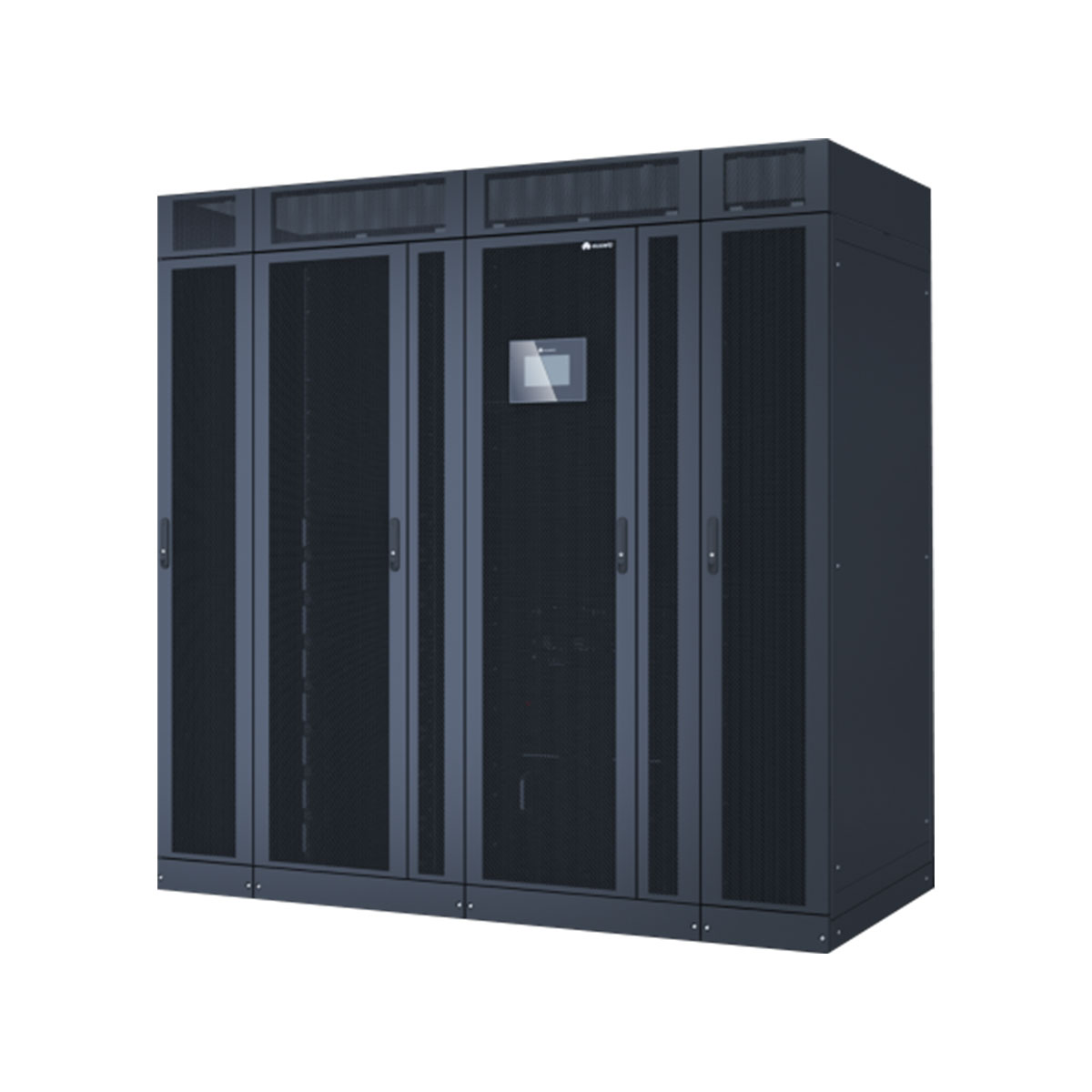
UPS5000-H
Huawei UPS5000-H equipped with the advanced 100 kVA/3U hot swappable power modules to achieve 1MVA in one rack

Leave a comment