
Your network team gets an alert about sluggish performance. They scramble to check the racks, squinting at display light levels on your switches, trying to decode flickering LEDs like ancient hieroglyphics. What if those tiny lights aren’t giving you the full picture? Huawei switches with advanced display light level monitoring go far beyond basic status indicators—they translate real-time device health into actionable insights. But why do so many IT teams tolerate guesswork in critical infrastructure, and could Huawei’s visual analytics finally bridge the gap between reactive troubleshooting and proactive network resilience? Let’s explore how outdated monitoring tools hide risks—and how modern displays expose them.
The Silent Failure of Basic Status Lights
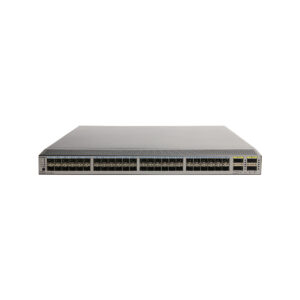
Traditional switch LEDs are like smoke signals in a 5G world: they show power, connectivity, or errors but leave you guessing about why a port is down or how traffic bottlenecks form. A blinking amber light might mean anything from a faulty cable to an overloaded VLAN. This ambiguity forces IT teams into time-consuming manual checks—connecting laptops to ports, running packet captures, or rebooting blindly. Huawei switches with granular display light level systems cut through this noise. For instance, their CloudEngine S6730-H series uses multi-color LED patterns combined with embedded sensors to show:
- Real-time temperature fluctuations (critical for preventing overheating in dense racks)
- Bandwidth utilization per port (via color gradients: green = idle, red = 90%+ load)
- Security threats (rapid flashing for DDoS attack detection)
This instant visual feedback lets admins pinpoint issues without logging into CLI interfaces. Imagine identifying a failing SFP module just by noticing a port’s LED stuck in “low signal” mode—saving hours of trial-and-error replacements.
Huawei’s Display Tech: From Diagnostics to Predictive Maintenance
But Huawei’s innovation isn’t just about better lights—it’s about transforming display light levels into a diagnostic language. Their iMaster NCE-Fabric integration takes this further by correlating LED data with network analytics. Here’s how it solves two major pain points:
1. Eliminating “Phantom Outages”
A port LED shows “active,” but applications complain about latency. Older switches leave you troubleshooting cables, drivers, or configurations. Huawei’s system detects microsecond-level packet loss via built-in sensors, triggering a pulsating red light even if the port seems functional. This exposed a hidden issue for a logistics company: a “healthy” switch was dropping 0.2% of packets during peak sorting hours—enough to delay shipment tracking systems.
2. Predicting Hardware Failures
Conventional LEDs warn of failures only when they occur. Huawei’s display light levels track gradual degradation. For example, a power supply unit’s LED might shift from green to yellow over weeks, signaling capacitor wear. One financial firm avoided an overnight trading halt by replacing a PSU during scheduled maintenance—all because the LED hinted at impending failure.
Beyond Lights: How Huawei Turns Data into Decisions
The real magic happens when display light levels sync with network management platforms. Huawei’s eSight software maps LED statuses across hundreds of switches onto a 3D rack view. Hover over a flashing port, and you’ll see:
- Traffic graphs for the past 24 hours
- Connected devices (APs, servers, cameras)
- Recommended actions (e.g., “Upgrade SFP to 10G” or “Isolate VLAN”)
This turns vague alerts into step-by-step resolutions. For a hospital network, this meant reducing MRI machine downtime by 60%—nurses could now check switch LEDs near imaging labs and instantly know if delays were due to network congestion or storage server issues.
The Bottom Line: Visibility Is the New Reliability
Relying on basic display light levels in 2024 is like navigating a storm with a candle. Huawei switches transform these indicators into a strategic asset, exposing risks from overheating stacks to stealthy cyberattacks. Companies clinging to legacy systems face hidden costs: delayed incident response, unpredictable outages, and wasted IT hours playing “LED detective.”
Upgrading to Huawei isn’t just about brighter lights—it’s about making your entire network’s health visible and actionable. Whether you’re managing a campus Wi-Fi network or a hyperscale data center, those tiny LEDs can now tell a story your team actually understands. The question isn’t whether you need this clarity—it’s how much longer you can afford to work in the dark.

Leave a comment