
Executive Summary: The Non-Negotiable of Uptime
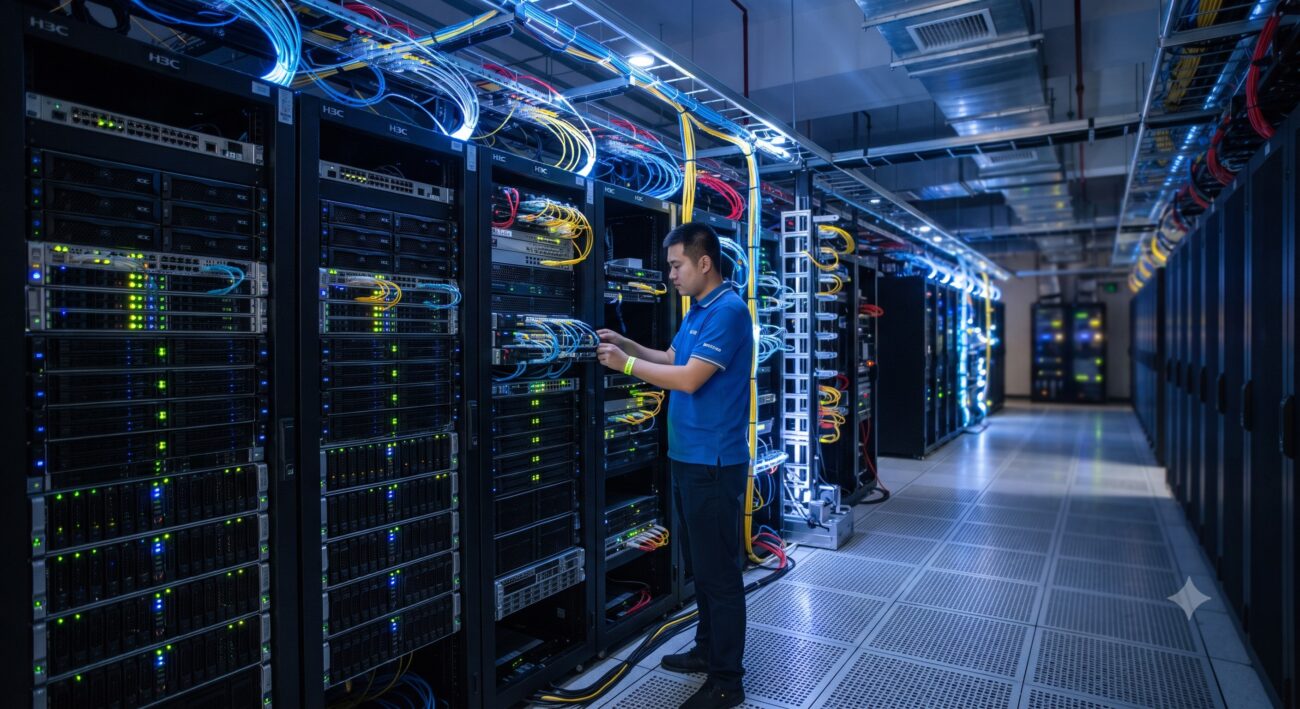
For senior network architects and telecom infrastructure leads, the selection of server hardware transcends raw compute performance. In the realm of 5G core networks, edge computing, and mission-critical database transactions, carrier-grade reliability is the paramount metric. This analysis delves into the H3C UniServer features that engineer this reliability, moving beyond theoretical specifications to examine the tangible mechanisms—from MTBF calculations and dual-engine failover architectures to the thermal dynamics that dictate hardware longevity. We evaluate how the H3C UniServer portfolio meets the stringent SLA demands of modern telecommunications.
Core Architecture: Engineering for Five-Nines Availability
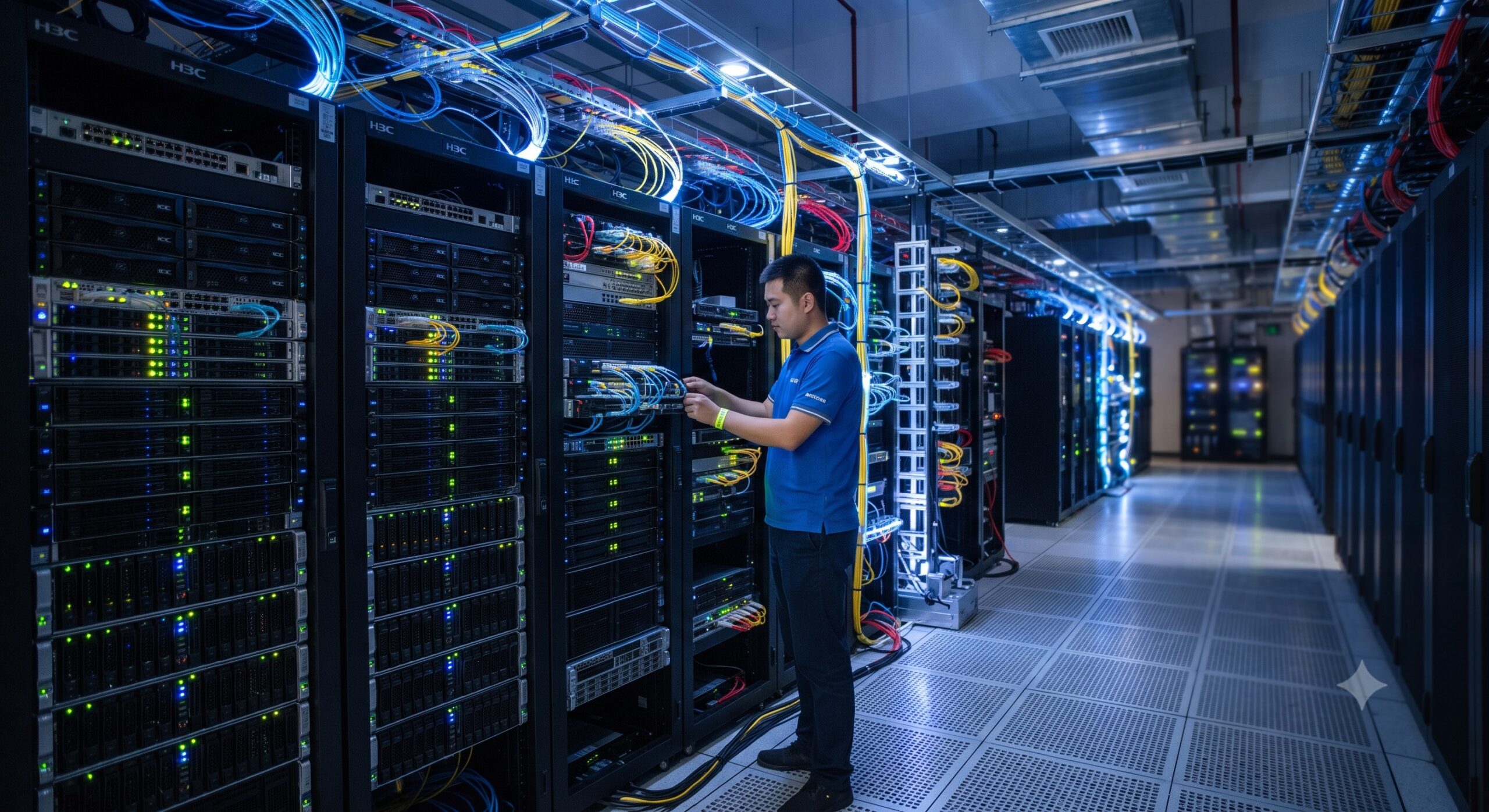
H3C’s approach to carrier-grade design is rooted in a philosophy of redundant, modular, and proactively managed subsystems. Unlike standard enterprise hardware, the UniServer line is architected with a focus on eliminating single points of failure across the entire power, cooling, and data path. This is evident in the platform’s adherence to open standards like the “天蝎” (Scorpio) project specification for the H3C UniServer S30000 series, which mandates a highly resilient, centralized management framework .
Dual-Engine Failover and Modular Redundancy
The cornerstone of carrier-grade reliability in the H3C UniServer ecosystem is the implementation of N+N and N+1 redundancy across all critical components. The H3C UniServer S30000 datacenter rack system exemplifies this with its power supply units (PSUs). It features up to 12 x 3300W PSUs configured in N+2 or N+N redundancy, ensuring that even if multiple power modules fail, the system continues to operate without performance degradation . This is not merely a backup; it’s a parallel active-active architecture.
Similarly, the cooling architecture mirrors this philosophy. For instance, the H3C UniServer R6900 G3, designed for the most demanding enterprise and telecom workloads, supports up to 4 x 1600W platinum or titanium power supplies in a 2+2 redundant configuration . Its thermal management is equally robust, utilizing hot-swappable redundant fans to maintain operational integrity even during a fan failure event. This dual-engine failover extends to the management plane, where a dedicated management network port and HDM (Hardware Device Management) tools provide out-of-band access, ensuring that the system remains manageable even if the primary data network experiences issues .
Quantifying Reliability: MTBF and Operational Metrics
While absolute MTBF figures are often configuration-dependent and subject to environmental variables, the architectural choices made by H3C directly impact the statistical reliability of the platform. The H3C Superdome Flex platform, which incorporates traditional minicomputer RAS (Reliability, Availability, and Serviceability) design principles, has achieved the highest industry rating (AL4) in IDC server availability assessments . This level of reliability is achieved through:
- Predictive Failure Analysis: Integrated analytics engines can forecast hardware faults and initiate self-remediation before an outage occurs.
- Firmware First (FF) Error Handling: This technology manages hardware-level errors (such as memory correctable errors) at the firmware level before they can impact the OS, significantly reducing system downtime.
- Physical Partitioning: The ability to electrically isolate physical partitions allows for maintenance and upgrades on a subset of the system without taking the entire platform offline, crucial for meeting strict SLAs .
Furthermore, H3C’s commitment to reliability is underscored by its rigorous testing and compliance with industry standards. The R4900 G3 server, for example, boasts a standard operating temperature range of up to 45°C to 50°C depending on the configuration , a testament to its robust thermal design. This wide operational envelope is critical for telecom environments where cooling may be less predictable. The hardware is also certified to meet various international standards including CCC, CECP, SEPA, CE, and CB .
| Key Parameter | Technical Specification |
|---|---|
| Redundancy Architecture (Power) | N+N / N+2 Redundancy with up to 12x 3300W (94% efficiency) PSUs (S30000) |
| Redundancy Architecture (Cooling) | Hot-swappable redundant fans with N+1 / N+N support (R6900 G3, S30000) |
| Management & Monitoring | HDM (Hardware Device Management) with dedicated management port, FIST/UniSystem for unified management |
| System RAS / MTBF | Superdome Flex achieves IDC AL4 highest availability rating; predictive failure analysis and Firmware First error handling |
| Operational Environment | Wide operating temperature range (5℃ to 50℃) dependent on configuration, supporting varied deployment scenarios |
Field Deployment and Mission-Critical Scenarios
The theoretical reliability of H3C UniServer features is validated in its real-world deployment in mission-critical environments. The H3C UniServer R5500 G6, designed for high-performance AI and deep learning, incorporates advanced redundancy and fault-tolerance to ensure that long-running training jobs are not interrupted. Its modular design allows for the hot-swapping of GPU and CPU compute modules, minimizing downtime for maintenance .
In the context of disaggregated storage and hyperconverged infrastructure (HCI), the H3C UIS platform leverages the underlying reliability of the hardware to deliver a resilient, software-defined storage fabric. The platform’s ability to support heterogeneous CPU architectures (x86 and ARM) and its integration with cloud-native engines provides a flexible yet rock-solid foundation for carrier-grade workloads, with 10,000+ online projects serving as a testament to its stability and industry trust .
The integration of ALL in GREEN technologies in newer models like the UniServer G7 series also contributes to reliability. By improving power efficiency and reducing heat generation through liquid cooling and optimized airflow, these systems experience less thermal stress, which directly enhances component longevity and reduces the overall failure rate .
Final Assessment: The Verdict on Carrier-Grade Readiness
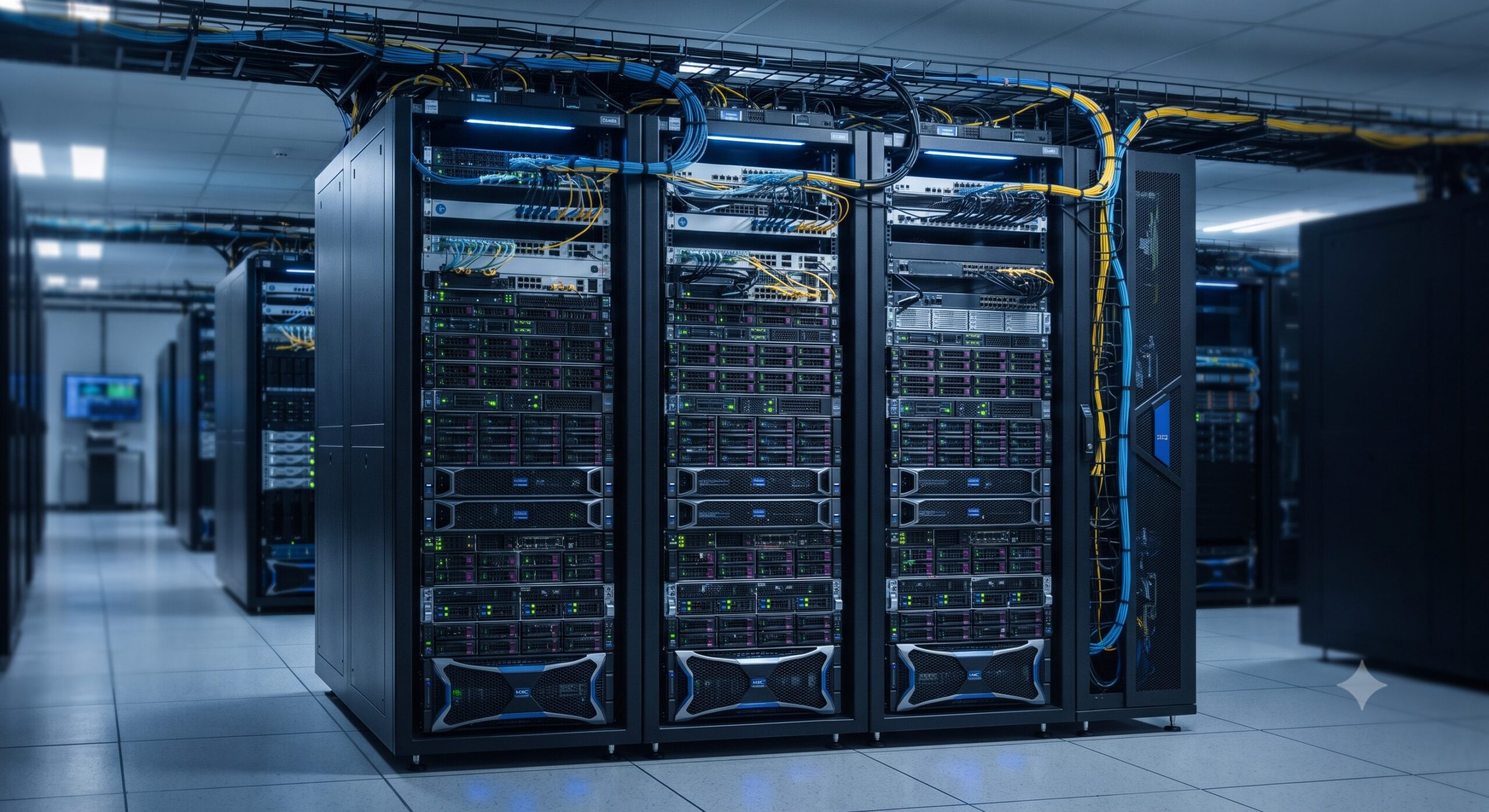
Evaluating H3C UniServer features for carrier-grade environments reveals a deliberate and thorough engineering philosophy centered on resilience. The combination of N+N redundant power, hot-swappable componentry, advanced predictive diagnostics, and a commitment to open standards like OAI and Redfish positions the H3C UniServer portfolio as a leading contender for telecom infrastructure. While the specific MTBF numbers are configuration-dependent, the redundant and modular architecture demonstrably reduces risk, aligning with the high availability demands of modern 5G and edge computing. The platform’s evolution toward liquid cooling and AI-native management further ensures that it meets the reliability and efficiency requirements of next-generation sustainable data centers.

Leave a comment