
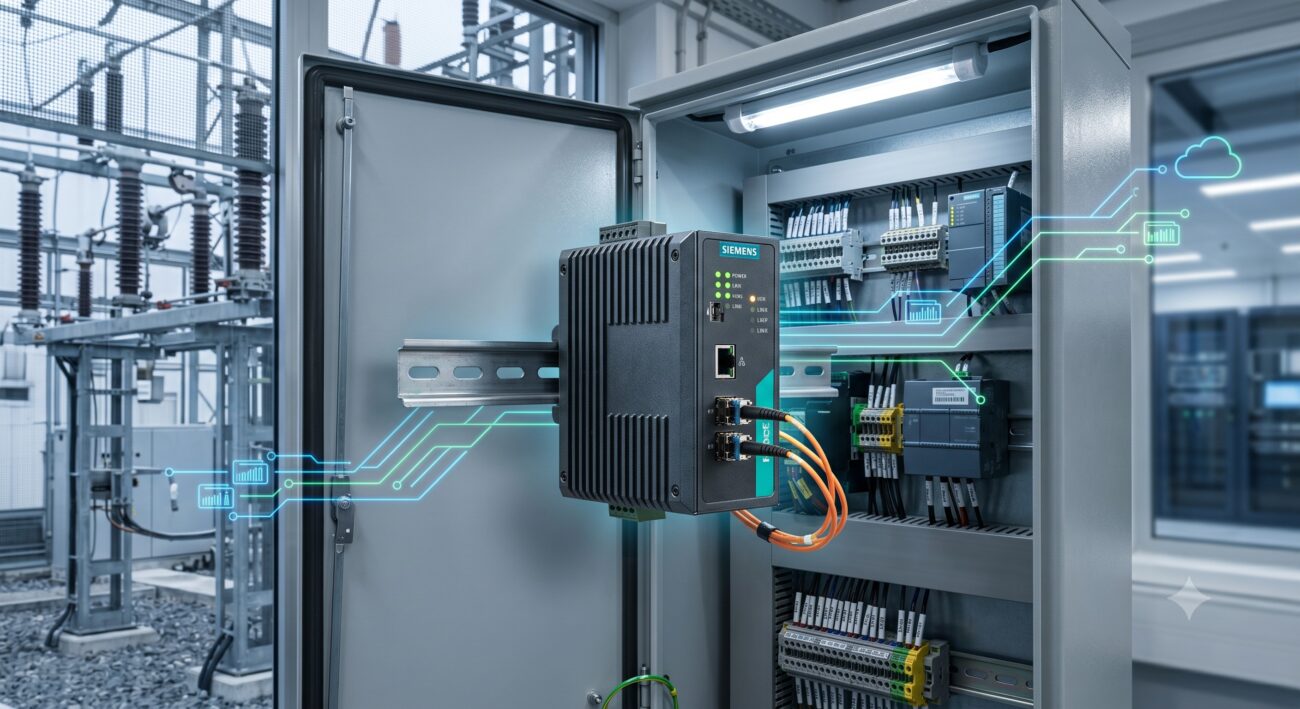
Overview & Thematic Scope
This FAQ provides definitive, expert-level answers to the most critical technical and deployment questions regarding cyber secure routers designed for critical infrastructure protection (CIP). Covering industrial sectors such as utilities, transportation, and oil and gas, this guide addresses pre-sales specifications and post-sales operational concerns, including security hardening, compliance, throughput, and high availability, to help network engineers and procurement specialists make informed decisions.
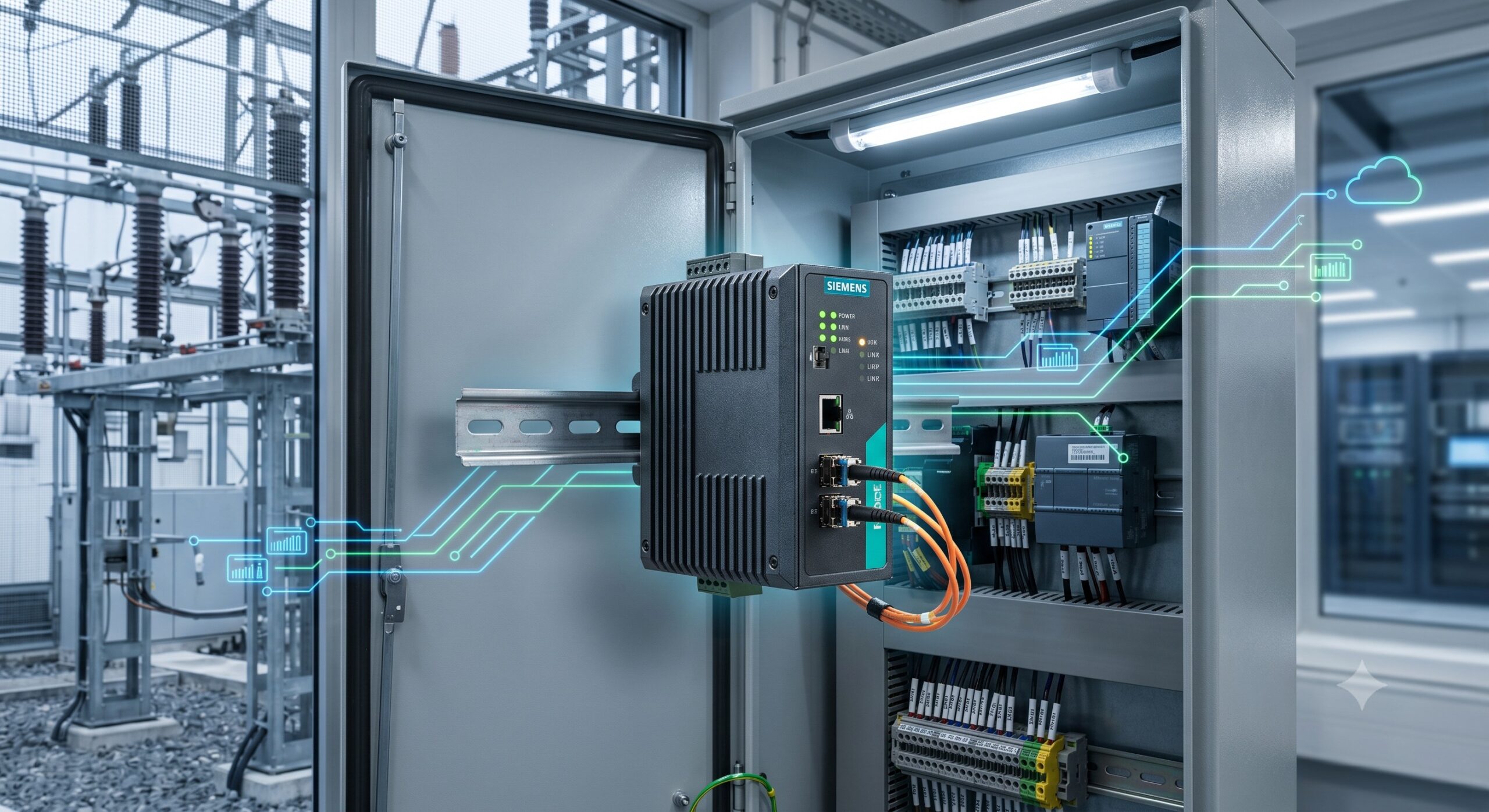
Frequently Asked Questions
- Q1: What is a critical infrastructure protection (CIP) cyber secure router, and how does it differ from a standard enterprise router?
- A CIP cyber secure router is an industrial-grade device that combines advanced routing with integrated cybersecurity features like next-generation firewalls (NGFW), VPNs, and intrusion prevention systems (IPS) to protect operational technology (OT) networks. Unlike standard enterprise routers, these ruggedized devices are built to withstand harsh environmental conditions (e.g., -40 to 75°C) and comply with stringent industrial standards like IEC 62443-4-2 to ensure cyber resilience for critical assets such as SCADA systems and power grids.
- Q2: What are the essential cybersecurity features to look for in a critical infrastructure router for IEC 62443 compliance?
- To meet IEC 62443 standards, a cyber secure router must support a defense-in-depth architecture with integrated security controls including a stateful firewall, IPsec VPN, and intrusion detection/prevention (IDS/IPS) capabilities. Essential features also include Deep Packet Inspection (DPI) for OT protocols (e.g., Modbus, DNP3), secure boot to ensure system integrity, and network segmentation via VLANs or Virtual Routing and Forwarding (VRF) to isolate critical traffic.
- Q3: How does a cyber secure router provide network segmentation and access control for critical infrastructure?
- These routers enforce the principle of least privilege by using Virtual Routing and Forwarding (VRF) to maintain completely independent and segmented routing tables, preventing lateral movement between OT and IT domains. Additionally, they support 802.1X port authentication and MAC Authentication Bypass (MAB) to ensure that only trusted, identified devices can access the network, moving from a ‘default open’ to a ‘default closed’ security posture.
- Q4: What are the typical routing and VPN throughput specifications for a rugged industrial secure router?
- Routing throughput for a high-performance industrial router can reach up to 2 Gbps (350K packets per second), while IPsec VPN throughput with AES-256 encryption is typically around 800 Mbps (100K packets per second). Real-world performance is influenced by the CPU and the number of enabled security features like Deep Packet Inspection (DPI) and intrusion prevention, which are optimized for stable, real-time OT traffic rather than maximum data-center throughput.
- Q5: What is the role of Deep Packet Inspection (DPI) and IDS/IPS in protecting industrial OT networks?
- DPI provides application-layer visibility by analyzing OT protocol traffic (e.g., Modbus, DNP3, IEC 61850) to enforce granular firewall rules and detect suspicious payloads, while the Intrusion Prevention System (IPS) uses pattern-based detection to identify and actively block known attacks. This virtual patching capability is critical in OT environments where systems cannot be frequently taken offline for traditional software updates, providing continuous threat protection for legacy devices.
- Q6: What is the recommended hardware warranty, support lifecycle, and firmware update strategy for these devices?
- Industrial cyber secure routers often come with a standard 5-year hardware warranty covering material defects, with firmware updates and security patches provided throughout the supported product lifecycle. To maintain long-term security, it is critical to implement a centralized management platform for secure, over-the-air (OTA) firmware updates and to establish baselines for normal network behavior to rapidly identify and remediate unauthorized configuration changes.
- Q7: How are cyber secure routers physically designed to ensure high availability and reliability in harsh environments?
- These routers feature industrial-grade designs with rugged metal housings, IP40 ratings, and wide operating temperature ranges (from -40 to 75°C) to withstand extreme conditions. Network reliability is enhanced through dual-redundant power inputs, support for Layer 2 redundancy protocols (e.g., RSTP, Turbo Ring), and VRRP at Layer 3, ensuring that connectivity is maintained even in the event of a link or device failure.
- Q8: What are the primary configuration and security hardening recommendations for edge routers to prevent compromise?
- Critical hardening steps include disabling unnecessary services (e.g., Telnet, HTTP, SNMPv1/v2c), changing default passwords immediately, and implementing multi-factor authentication (MFA) for all administrative access. It is also essential to secure management interfaces by restricting them to trusted networks, applying vendor-recommended firmware patches promptly, and centralizing monitoring to correlate logs and detect malicious activity as recommended by cybersecurity agencies like the NSA and CISA.

Leave a comment