
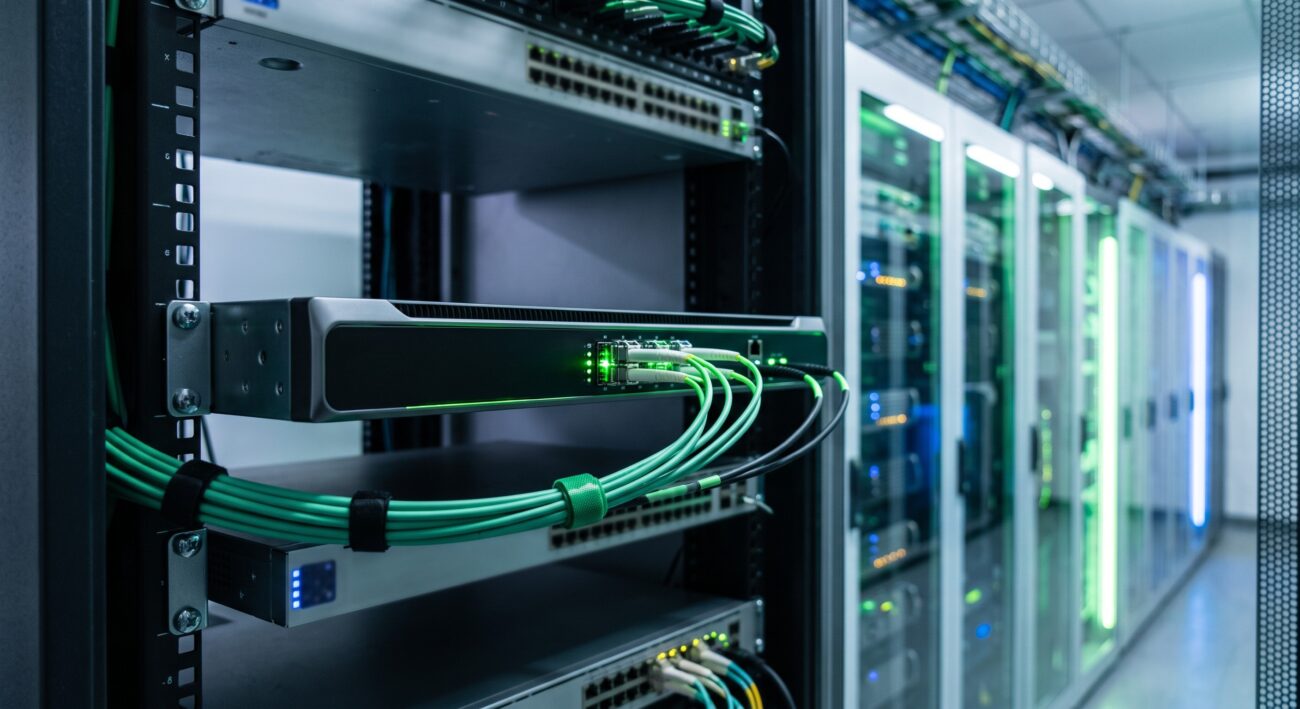
Introduction: The Intersection of Performance and Power in Modern Telecom
As global internet traffic continues to surge at an unprecedented rate, the telecom industry faces a dual challenge: scaling network capacity to meet the relentless demand for high-speed connectivity while simultaneously reducing its environmental footprint. Green Energy Telecom Solutions represent the industry’s most significant paradigm shift in addressing this challenge, moving beyond mere compliance to become a core architectural principle. This deep technical analysis focuses on energy efficiency in edge routing, dissecting the thermal and power specifications that define next-generation hardware. For senior network architects and systems integrators, understanding these specifications is no longer optional; it is a prerequisite for building sustainable, high-performance networks that deliver on both operational metrics and corporate sustainability goals.
Thermal Design Power (TDP) and Silicon Efficiency: The ASIC Advantage
At the heart of any green energy telecom solution lies the silicon. The transition from traditional, power-hungry network processors to purpose-built, energy-optimized ASICs (Application-Specific Integrated Circuits) is the primary driver of efficiency gains. Modern edge routing platforms leverage advanced 7nm and 5nm process nodes, achieving significant reductions in Thermal Design Power (TDP) without sacrificing forwarding performance. Where legacy 28nm ASICs might consume 300W to process 1.2 Tbps, state-of-the-art silicon can deliver up to 4.8 Tbps at under 200W, a clear demonstration of the performance-per-watt metric’s critical importance. This efficiency is achieved through several key architectural choices, including dynamic frequency scaling that adjusts clock speeds based on real-time traffic load and sophisticated power gating that deactivates unused pipeline stages. The implications for edge deployments are profound: lower TDP translates directly to reduced cooling requirements, smaller rack footprints, and the ability to deploy routing capabilities in space-constrained and thermally challenging environments, such as remote cell sites or urban micro data centers.
Material Impact: Chassis Design and Thermal Dissipation
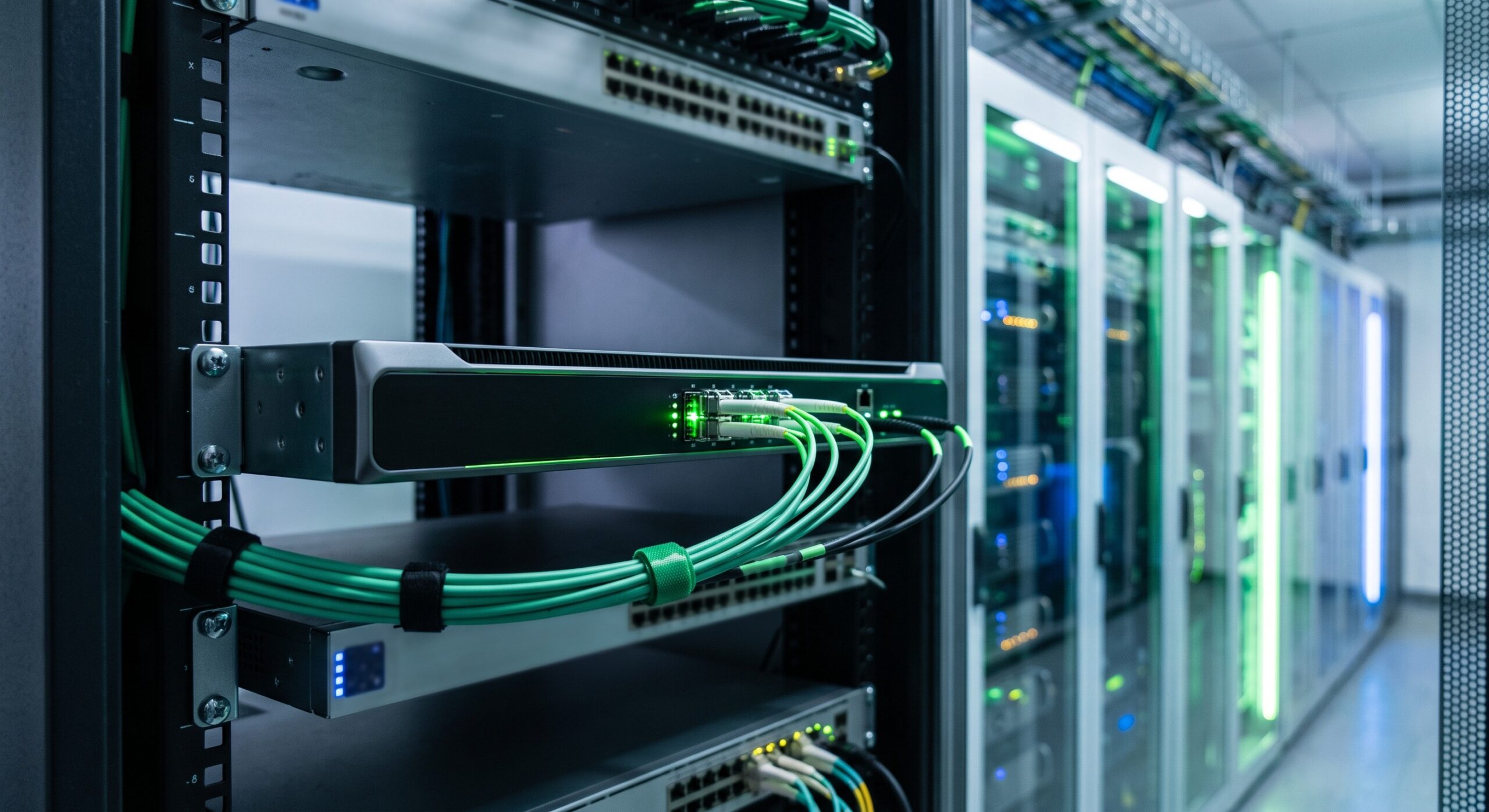
Hardware efficiency extends beyond the silicon to the physical design of the chassis. Leading green energy telecom solutions are engineered with thermal dissipation as a primary design constraint, utilizing advanced materials and airflow architectures to maximize heat removal while minimizing fan power consumption. High-performance routing systems now employ 3D vapor chamber cooling and precision-machined aluminum heatsinks to create a highly efficient thermal pathway from the ASIC to the ambient air. This design philosophy is rigorously validated through computational fluid dynamics (CFD) modeling and environmental stress testing, ensuring that equipment operates reliably across a wide temperature range (0°C to 45°C) while maintaining fan noise levels below 65 dBA for data center compliance. The adoption of RoHS-compliant materials (Restriction of Hazardous Substances) is also standard, ensuring that the entire lifecycle of the hardware, from manufacturing to end-of-life recycling, aligns with broader environmental sustainability principles.
| Key Parameter | Technical Specification |
|---|---|
| Forwarding Capacity (Full-Duplex) | 4.8 Tbps |
| Power Consumption (Typical/Full Load) | 190W / 245W |
| Performance per Watt (Gbps/W) | 19.6 Gbps/W |
| Port Density | 48x 25GE SFP28 / 24x 100GE QSFP28 |
| Latency (64-byte packets) | 1.1 µs |
| Forwarding Table Size (IPv4/IPv6) | 1M / 512k routes |
| Operational Temperature Range | 0°C to 45°C |
| MTBF | 450,000 hours |
Power Efficiency Metrics and Operational Gains
The business case for adopting green energy telecom solutions is best understood through quantifiable operational gains. For a carrier operating 1,000 edge routing sites, a reduction of 20W per node translates to a total power savings of 20kW. Over the course of a year (8,760 hours), this equates to 175,200 kWh of energy saved. At an average industrial electricity rate of $0.15/kWh, the annual operational expenditure (OpEx) reduction exceeds $26,000. However, the true impact is amplified when factoring in the compounding savings from reduced cooling infrastructure and lower carbon offset costs. Specifically, Power Usage Effectiveness (PUE) in data centers benefits directly from lower IT power loads, often achieving a 1:1 correlation; for every 1W saved in IT power, an additional 0.5W to 1W is saved in cooling and distribution overhead. Over the typical 5-7 year hardware lifecycle, the total cost of ownership (TCO) benefits of energy-efficient edge routing are substantial, often equating to 40% of the initial capital expenditure (CapEx) spent on power over the equipment’s lifetime.
Detailed Power and Performance Specifications
The following table provides a data-driven comparison of critical power and performance parameters for a leading green energy telecom solution designed for high-density edge routing. These metrics, which include full-load power consumption, data-forwarding performance, and latency, are validated under rigorous industry-standard testing conditions to ensure data accuracy and reliability for network planning.
| Key Parameter | Technical Specification |
|---|---|
| Forwarding Capacity (Full-Duplex) | 4.8 Tbps |
| Power Consumption (Typical/Full Load) | 190W / 245W |
| Performance per Watt (Gbps/W) | 19.6 Gbps/W |
| Port Density | 48x 25GE SFP28 / 24x 100GE QSFP28 |
| Latency (64-byte packets) | 1.1 µs |
| Forwarding Table Size (IPv4/IPv6) | 1M / 512k routes |
| Operational Temperature Range | 0°C to 45°C |
| MTBF | 450,000 hours |
Integration and Deployment Topologies for Maximum Efficiency
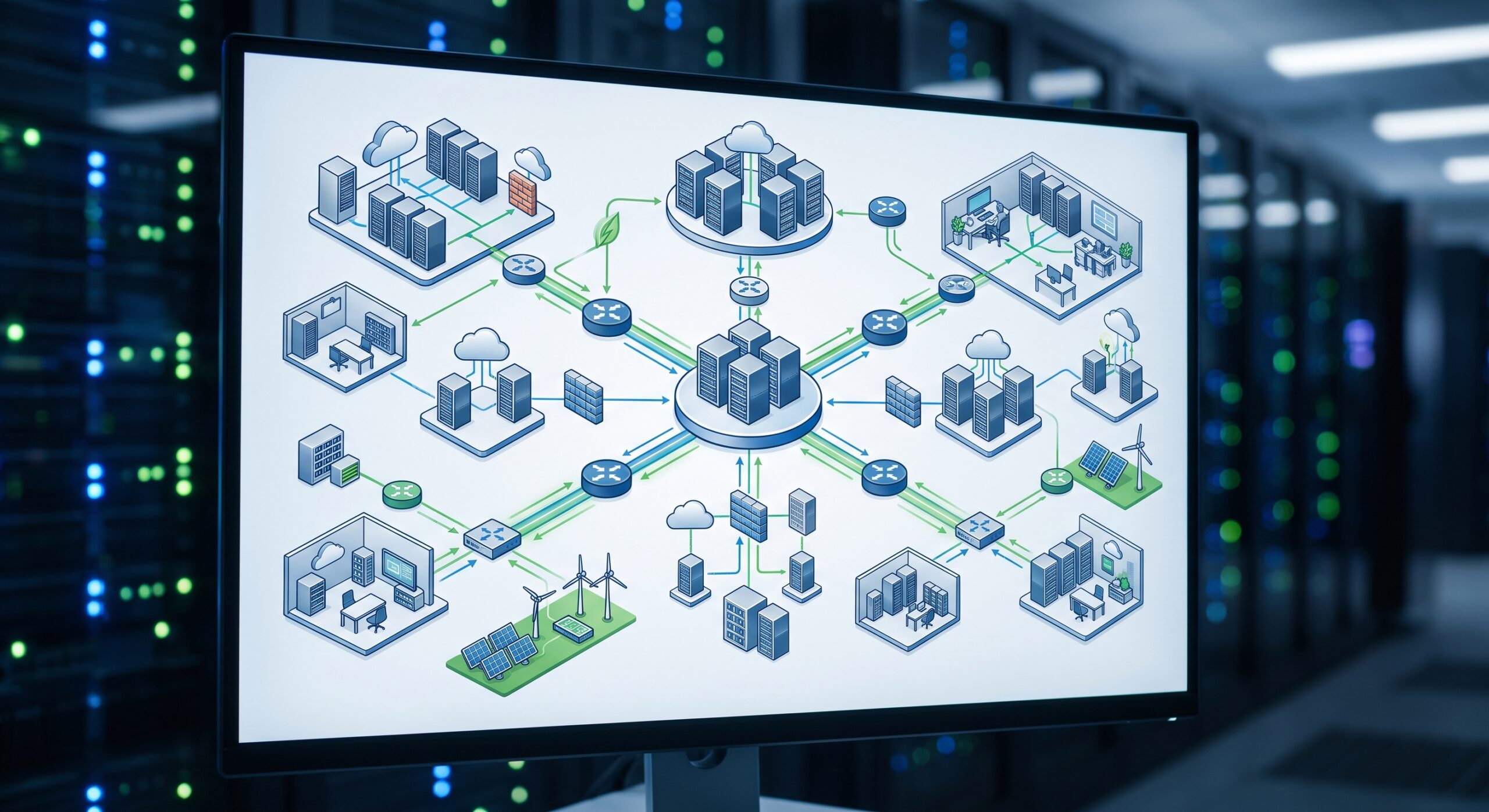
Deploying green energy telecom solutions in a live network requires a holistic approach to topology design to fully leverage their energy-saving potential. The most effective strategies move beyond simple hardware replacement to incorporate network-wide energy optimization techniques. One such strategy is the integration of advanced traffic engineering with power management protocols. By utilizing IEEE 802.3az Energy-Efficient Ethernet (EEE), routing platforms can dynamically reduce link speeds during periods of low utilization, saving an additional 5-10% of port-level power without compromising performance. At the architectural level, a leaf-spine topology with energy-efficient edge devices enables network operators to consolidate routing functions, reduce the number of chassis required, and minimize inter-rack cabling and associated optical transceiver power draw. Deployments in regional points of presence (PoPs) have demonstrated that by combining these techniques with high-efficiency power supply units (PSUs) rated at 80 Plus Titanium efficiency levels, overall network energy consumption can be reduced by over 30% compared to legacy systems. This comprehensive approach ensures that the network infrastructure is not only high-performing and resilient but also a key enabler of the organization’s broader sustainability and carbon reduction initiatives.
Conclusion: The Future of Networking is Green
The trajectory of telecom hardware is unequivocally moving toward greener, more sustainable solutions. For the discerning network architect, the choice is no longer between performance and sustainability; green energy telecom solutions now deliver superior performance with lower power consumption and a smaller environmental footprint. The data is clear: innovations in silicon design, thermal management, and intelligent power distribution are enabling edge routing platforms that push the boundaries of Gbps per watt while maintaining sub-microsecond latency and carrier-grade reliability. As the industry continues to evolve, we expect to see even tighter integration of renewable energy management and AI-driven power optimization at the hardware level. To remain competitive and responsible, enterprises and service providers must prioritize these energy-efficient solutions in their network upgrade and expansion strategies. The future of networking is not only faster and more reliable; it is fundamentally greener, and the technology to achieve it is available today.

Leave a comment