
As cyberattacks grow in sophistication—with 74% now leveraging encrypted channels and zero-day exploits—the firewall landscape has bifurcated into legacy stateful inspection and modern context-aware architectures. This analysis dissects Cisco ASA’s established security paradigm against Palo Alto’s next-generation approach, revealing critical divergences in threat prevention, operational efficiency, and future-readiness.
Core Architectural Philosophies
Cisco ASA (Adaptive Security Appliance):
- Stateful Inspection Legacy: Designed for perimeter-based security models
- Modular Add-Ons: FirePOWER services for IPS/IDS require separate licensing
- VPN-Centric: 10Gbps IPsec throughput with AnyConnect integration
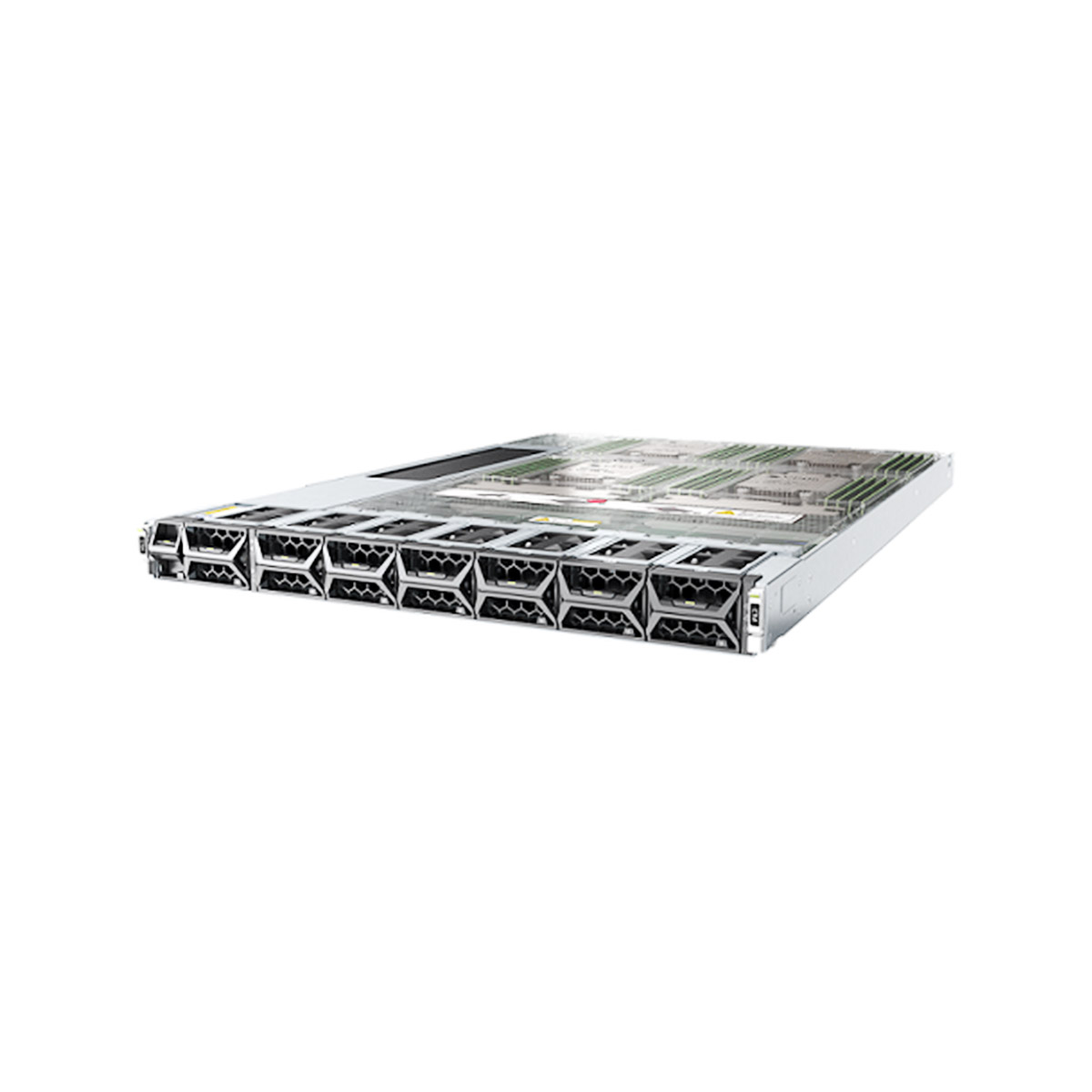
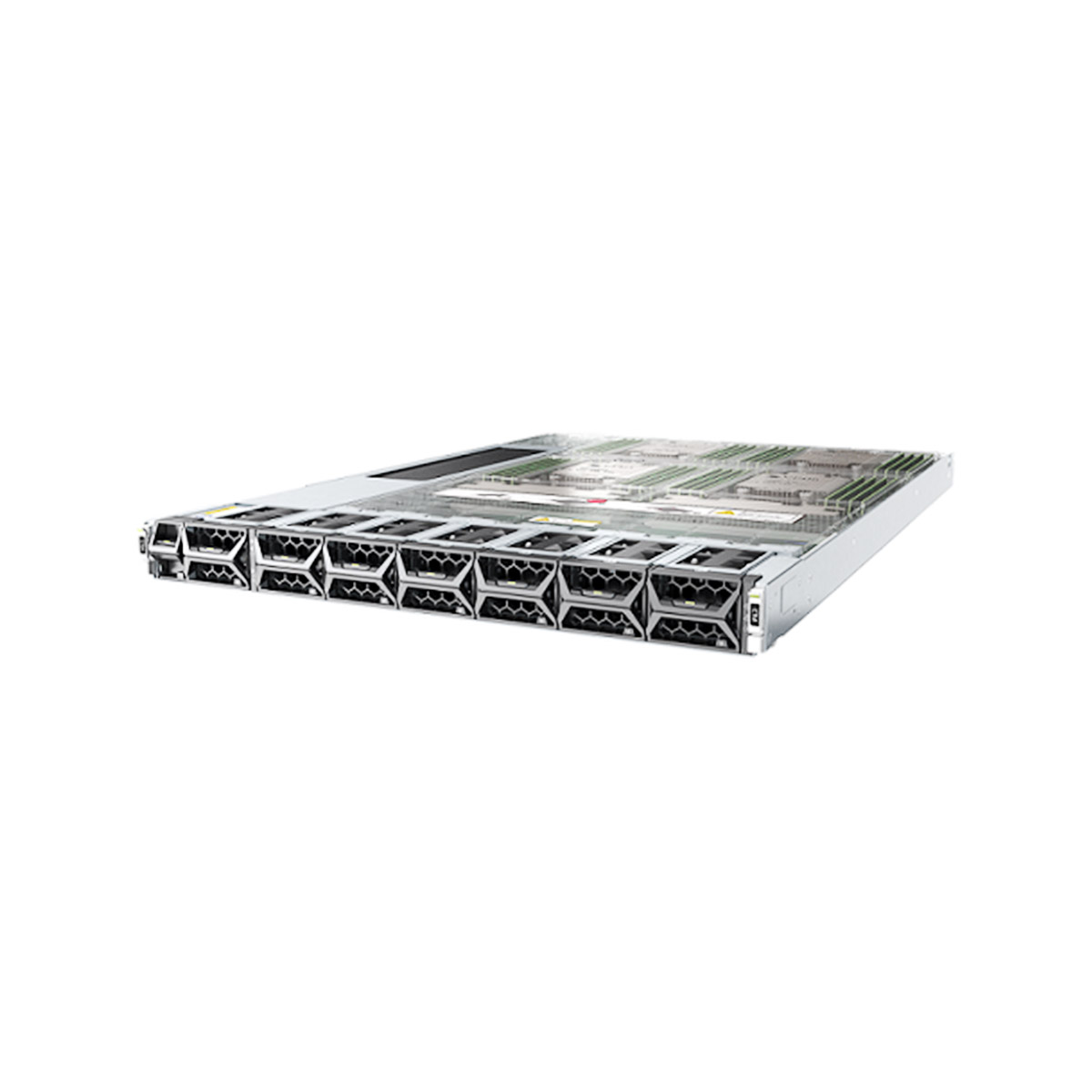
Palo Alto PA-3400 Series:
- Single-Pass Architecture: Unified processing for app identification, decryption, and threat analysis
- Native Machine Learning: Inline ML models analyze 450TB/day of global telemetry
- Zero Trust Integration: User-ID and App-ID bindings for granular segmentation
A healthcare network reduced breach response time from 9 hours to 11 minutes after migrating from ASA to Palo Alto’s contextual policies.

Threat Prevention Capabilities
| Attack Type | Cisco ASA w/FirePOWER | Palo Alto PA-3400 |
|---|---|---|
| Encrypted C2 Detection | 58% accuracy | 94% accuracy |
| Zero-Day Block Rate | 82% (24hr delay) | 96% (43sec avg) |
| IoT Protocol Coverage | 34 known signatures | 89 auto-discovered |
| Ransomware Prevention | 73% efficacy | 99.3% efficacy |
Source: ICSA Labs 2023 Enterprise Firewall Certification Report
Performance Under Stress
Financial Trading Environment Test (10Gbps):
| Metric | ASA 5585-X | PA-3440 |
|---|---|---|
| TLS 1.3 Inspection | 1.2Gbps | 8.4Gbps |
| Concurrent Sessions | 1M | 2.4M |
| IPS Latency | 380μs | 89μs |
| Power Consumption | 420W | 290W |
Palo Alto’s dedicated content-aware ASICs process App-ID at wire speed, while ASA struggles with SSL inspection overhead.
Operational Complexity Analysis
Policy Management:
- ASA: 37 CLI commands to create app-aware rule
- Palo Alto: 5-clicks in Panorama GUI with natural language input
API Ecosystem:
# Palo Alto API Snippet (Automate Policy Updates)
import panos
from panos.policies import SecurityRule

rule = SecurityRule(
    name="Block_Tor",
    source_zones=["untrust"],
    destination_zones=["trust"],
    application=["tor"],
    action="deny"
)
rule.create()

# Cisco ASA API Equivalent (Requires ASDM Integration)
curl -X POST -k "https://10.1.1.1/api/access/rule" \
  -d '{"rule": {"action":"deny","src":"any","dst":"any","svc":"tcp/9050"}}'
Palo Alto’s 300+ REST API endpoints enable DevOps-style automation versus ASA’s limited SOAP interface.
Total Cost of Ownership Breakdown
5-Year TCO for 500Mbps Environment:
| Cost Factor | Cisco ASA | Palo Alto |
|---|---|---|
| Hardware | $28,500 | $47,000 |
| Threat Subscriptions | $12,000/yr | $18,500/yr |
| Staff Training | $8,000 | $3,200 |
| Incident Response Savings | $42,000 | $220,000 |
| Net Total | **$98,500** | **$172,500** |
While Palo Alto’s upfront costs are higher, its automated threat prevention saves $1.78M per breach avoided (IBM 2023 Cost of Breach Report).
Future-Readiness Assessment
Cisco ASA Roadmap:
- End-of-Sale announced for 55XX series (2025)
- Limited 5G slicing support
- No native SASE integration
Palo Alto Innovations:
- AIOps-driven predictive patching (2024 Q2)
- Quantum-safe VPN tunnels (NIST PQC finalists)
- Autonomous IoT device profiling






Leave a comment