
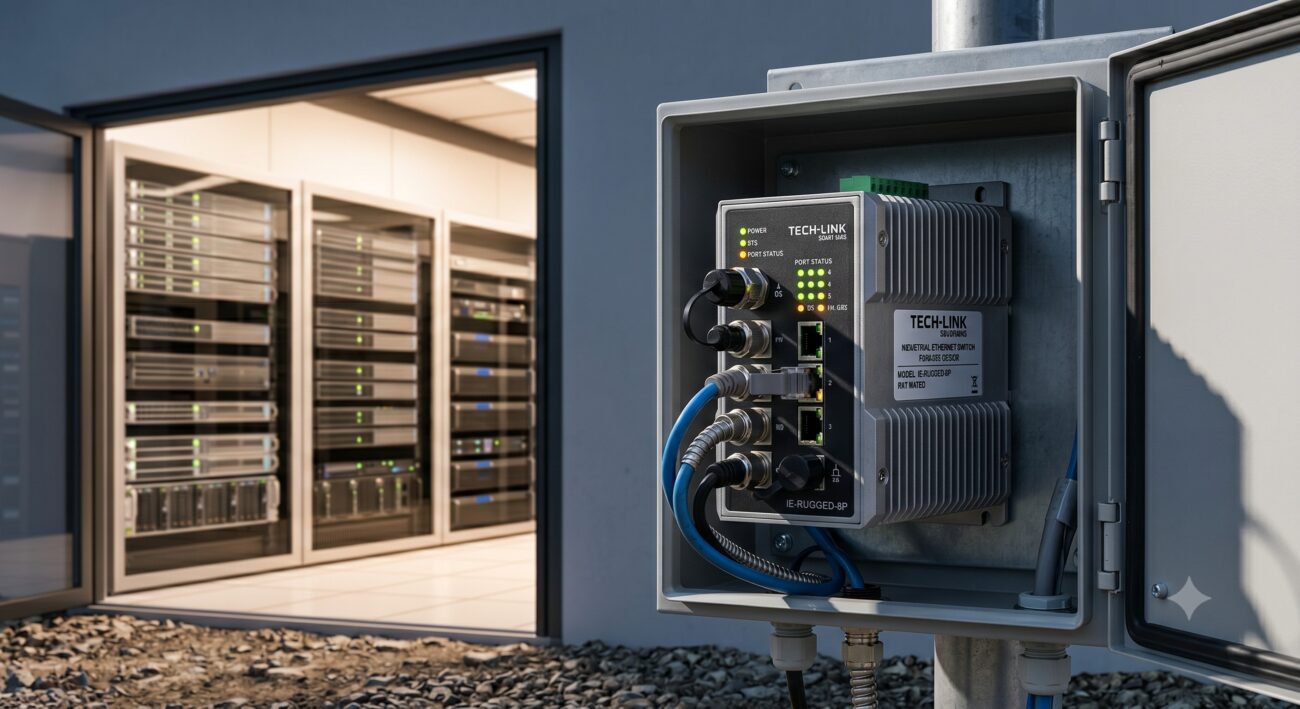
Overview & Thematic Scope
Welcome to our comprehensive FAQ on harsh environment wide temperature Ethernet hardware. This guide is designed for network engineers, system integrators, and procurement specialists who need robust networking solutions for extreme conditions. We address critical pre-sales and post-sales questions, from thermal limits and power budgeting to deployment troubleshooting and compatibility. Our expert answers are crafted to help you make informed decisions and ensure reliable operation in the most demanding industrial, outdoor, and military applications.
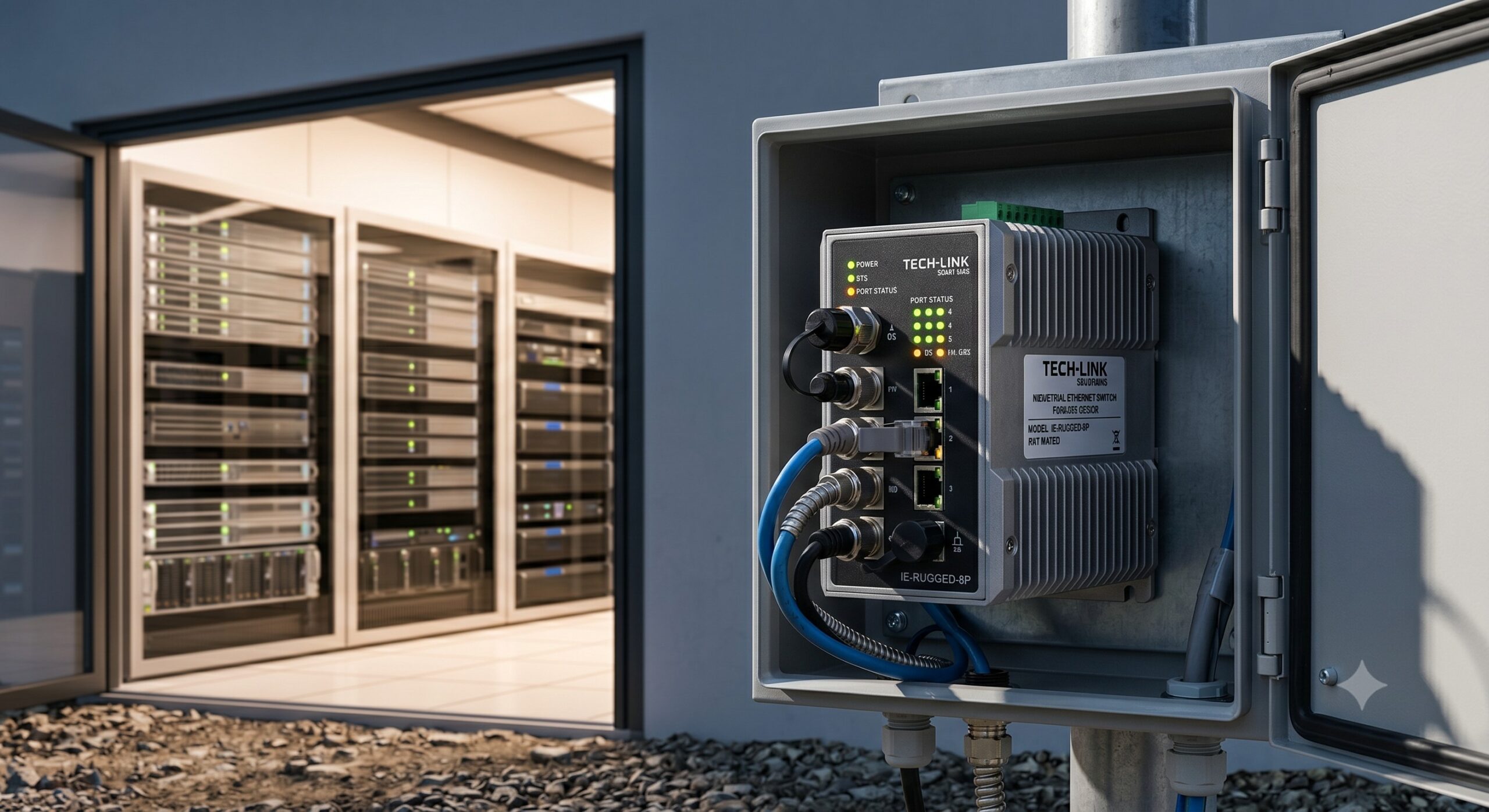
Frequently Asked Questions
- Q1: What is the typical wide temperature range for industrial Ethernet hardware, and why is it critical?
- Industrial Ethernet hardware is typically rated for a wide temperature range of -40°C to +75°C, which is critical for ensuring reliable operation in unmanaged environments like outdoor cabinets, factory floors, and remote field sites without active cooling or heating.
- Q2: What are the key technical specifications I should evaluate for harsh environment Ethernet switches?
- Key specs include the operating temperature range, Mean Time Between Failures (MTBF), ingress protection (IP) rating (e.g., IP40 for dust and water resistance), shock and vibration ratings (IEC 60068-2-6), and electromagnetic interference (EMI) compliance (FCC/CE). Prioritize fanless designs for reliability, and check the power supply range (e.g., 12-48 VDC) to match your available power source.
- Q3: How do I troubleshoot common deployment issues with wide-temperature Ethernet hardware?
- Start by verifying the power supply voltage and polarity, as many units require specific DC inputs. Check the system logs for temperature warnings, which often precede thermal shutdowns. Ensure the grounding is properly connected to prevent ESD damage and signal interference. Use loopback tests to check port integrity and cable connections, especially if the issue is intermittent.
- Q4: What are the best practices for configuring and securing wide-temperature Ethernet switches?
- Best practices include disabling unused ports and services, changing default credentials, and implementing 802.1X port-based authentication for network access control. Configure VLANs to segment traffic and prioritize critical data using Quality of Service (QoS). For remote management, always use secure protocols like SSH and HTTPS, and consider MACsec for link-layer encryption to protect data integrity.
- Q5: Can I use standard SFP modules with wide-temperature Ethernet switches, or do I need industrial-rated ones?
- We strongly recommend using industrial-grade SFP modules that are rated for the same wide temperature range as the switch. Standard commercial SFP modules often fail in extreme temperatures, leading to link flapping and network downtime. Always verify the transceiver’s temperature specifications to ensure compatibility and reliable long-term operation.
- Q6: What procurement factors should I consider, including lead times and warranty support?
- Inquire about the manufacturer’s stock levels and typical lead times (e.g., 2-4 weeks) to avoid project delays. Look for a comprehensive warranty, ideally 5 years or more, and a 10-year or longer product lifecycle to ensure long-term availability for replacements. Also, confirm the availability of spare parts, such as power supplies and fans, before finalizing your order.
- Q7: How can I ensure high availability and redundancy in my harsh environment network design?
- Implement ring network topologies (e.g., ERPS, RSTP) to provide network resilience in case of a link failure. Use switches with dual power inputs to connect to two separate power sources, providing power redundancy. Consider using a chassis-based switch with redundant supervisor modules for the highest availability in critical infrastructure, minimizing Mean Time To Repair (MTTR).
- Q8: How does the Total Cost of Ownership (TCO) for wide-temperature hardware compare to commercial-grade alternatives?
- While the initial purchase cost is higher (typically 2-3x), the TCO is often significantly lower for industrial-grade hardware due to its longer lifespan, reduced failure rates, and lower maintenance costs in harsh environments. This investment minimizes costly downtime and replacements, providing a better value proposition over the equipment’s operational lifetime.

Leave a comment