
Installing a Huawei Smart Switch often feels like performing heart surgery on a running network—mess up, and the whole system flatlines. Whether you’re upgrading legacy gear or deploying a new setup, the physical placement and configuration of these switches determine whether you’ll enjoy smooth automation or drown in downtime. But how do you install a Smart Switch on Huawei infrastructure without triggering a cascade of errors? And does a flawless installation truly unlock the “smart” in these devices, or is it just hype? Spoiler: Skipping steps like firmware prep or VLAN tagging turns your switch into a pricey paperweight. Let’s map out a no-BS guide to nailing the install—and making your network work for you, not against you.

Pre-Installation: Dodge These Costly Oversights
Before unscrewing anything, avoid these rookie mistakes:
- Firmware Compatibility Check:
Huawei’s Smart Switches require specific firmware versions to support features like AI-driven QoS or automated VLANs. Download the latest iMaster NCE compatibility matrix from Huawei’s site. A logistics company bricked three switches by ignoring this, forcing a full factory reset. - Power & Cooling Audit:
- Confirm rack PDUs can handle the switch’s wattage (e.g., S5735-H48T4X needs 450W).
- Leave 1U space above/below for airflow—overheating kills ports fast.
- Backup Legacy Configs:
Usedisplay current-configurationon old switches to copy VLANs, ACLs, and port settings. Screenshot MAC tables—they’ll save hours post-install.
Physical Installation: Rack It Right
- Mounting:
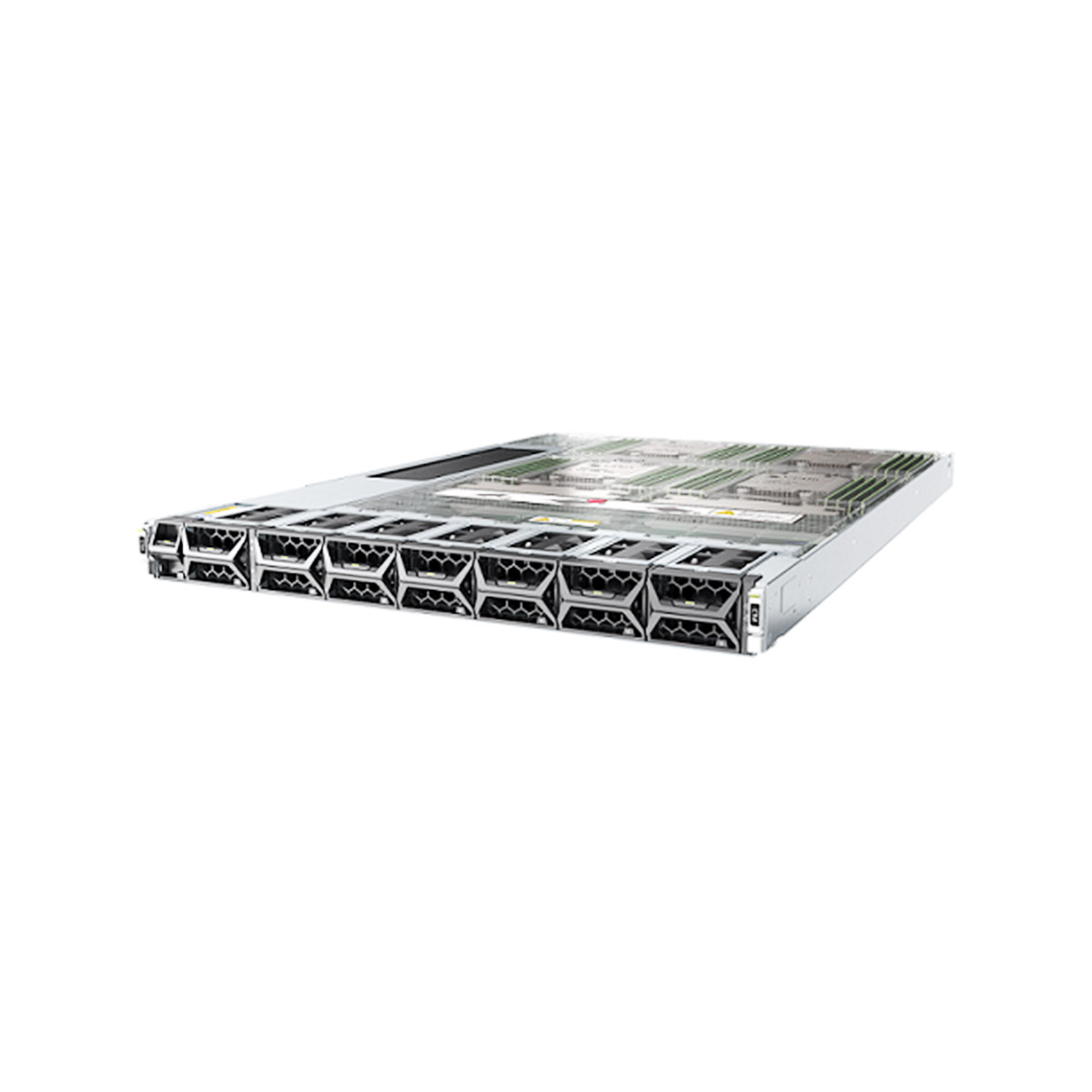
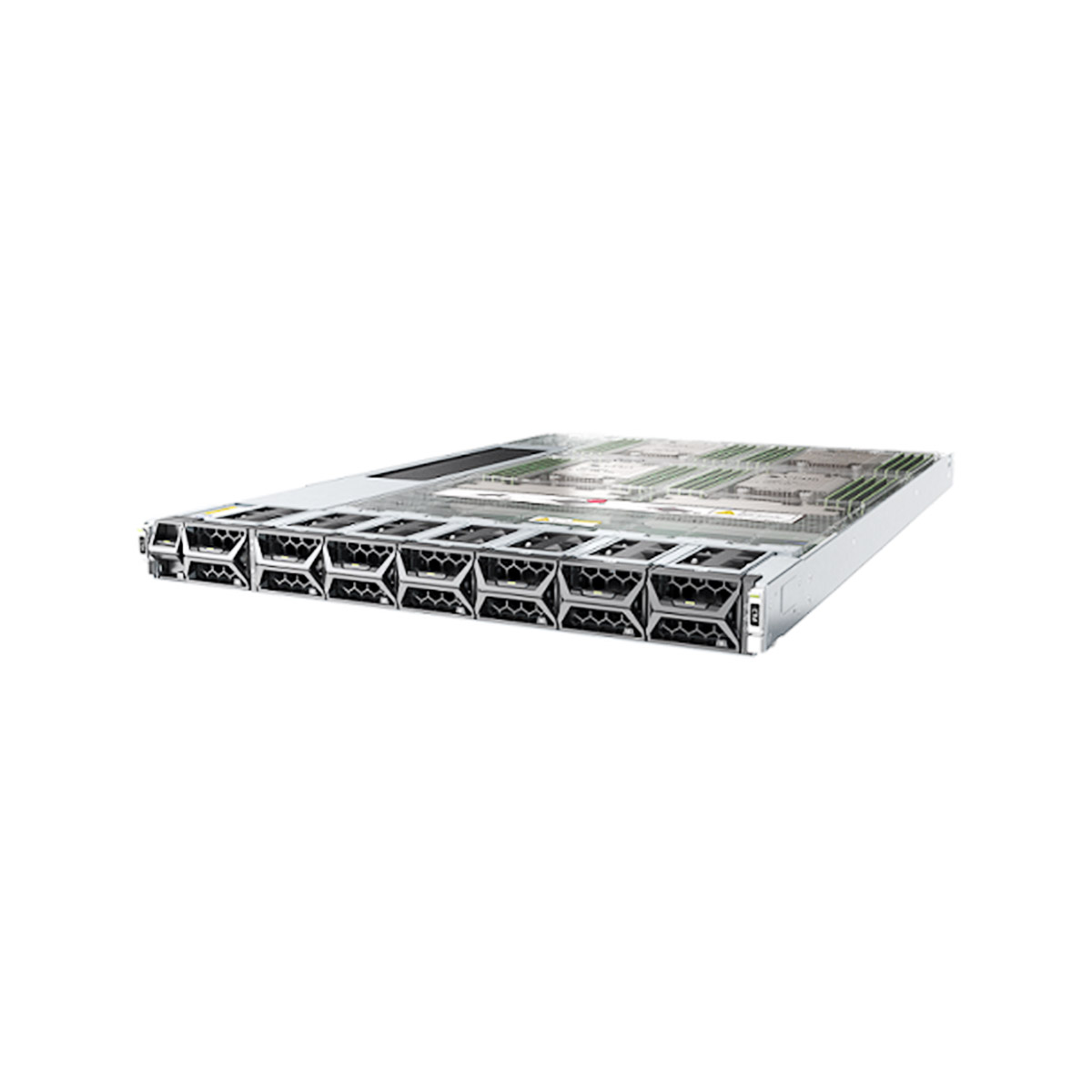
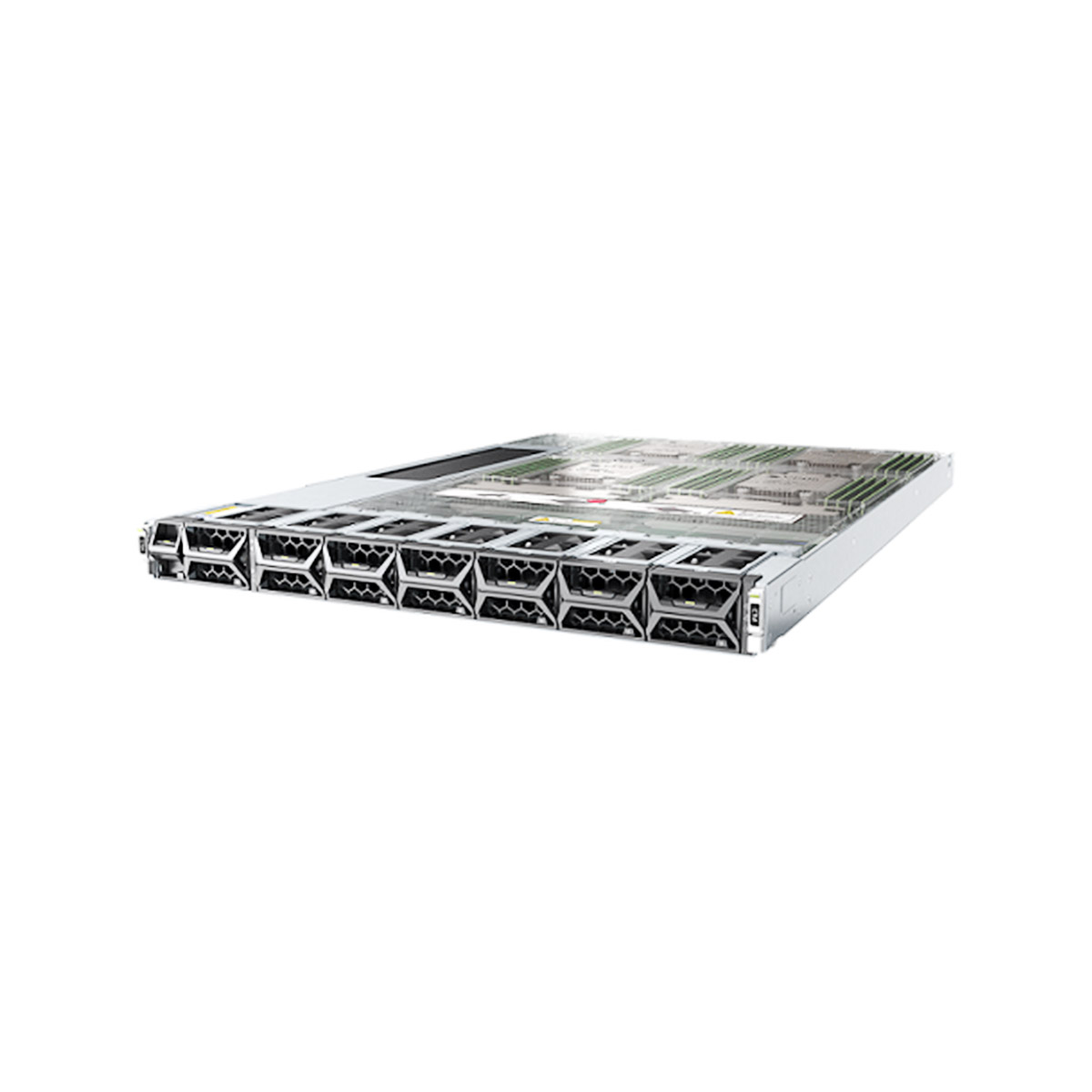
- Use cage nuts and rails for secure rack placement. Huawei switches weigh up to 15kg—flimsy brackets bend under load.
- Ground the switch properly. A data center in Thailand fried a switch during a storm due to poor grounding.
- Cable Management:
- Label both ends of fiber/copper cables (e.g., “Core-Switch-Port24-to-Firewall”).
- Avoid sharp bends in fiber optics—keep bend radius ≥30mm.
- Power Up:
Connect dual power supplies to separate circuits. Watch for amber LEDs turning green—if they flicker, check PSU connections.
Post-Install Setup: Where “Smart” Comes Alive
The real magic happens after hardware is in place:
- Initial Configuration via Console:
system-view
sysname Smart-Switch-01
vlan batch 10 20 30
interface GigabitEthernet 0/0/1
port link-type trunk
port trunk allow-pass vlan 10 20
This creates a trunk port for inter-VLAN traffic.
- Enable Smart Features:
Activate AI-load balancing and threat detection:smart-enhance enable ai-security-policy profile default - Integrate with NMS:
Register the switch in Huawei’s iMaster NCE, allowing centralized monitoring. A university IT team slashed troubleshooting time by 70% after syncing all switches to NCE.
Stress-Testing Your Installation
Don’t assume it works—prove it:
- Traffic Flood Test: Use tools like iPerf3 to push 10Gbps through the switch. Watch for packet loss or latency spikes.
- Failover Simulation: Unplug one PSU; verify the switch stays online and alerts NMS.
- Security Audit: Run Nessus scans to check for open ports or default credentials.
A fintech firm discovered misconfigured STP settings during stress tests, avoiding a potential network loop.
Why Installation Precision Pays Dividends
Installing a Smart Switch on Huawei gear isn’t about plug-and-pray—it’s about crafting a resilient, self-healing network foundation. Every skipped firmware check or sloppy cable run risks outages, breaches, or inflated repair bills. But when done right, Huawei’s switches morph into autonomous guardians that predict failures, squash threats, and optimize traffic while you sleep.
Leave a comment