
In an age where seamless connectivity is non-negotiable, the debate between using your ISP’s free WiFi modem and investing in a standalone wireless router has sparked heated discussions among households and small businesses. While ISPs often bundle modems with subscription plans, opting for a self-purchased router can unlock superior performance, security, and long-term cost savings. This article breaks down the pros and cons of both options, explores real-world scenarios, and provides actionable advice to help you decide whether upgrading your networking setup is worth it.
The Hidden Costs of Relying Solely on ISP-Provided Modems
Most ISPs provide a basic WiFi modem as part of their service package, but these devices are often stripped-down models optimized only for minimal functionality. For example, a stock modem might support outdated WiFi standards like 802.11ac or lack advanced security features such as WPA3 encryption. A tech-savvy remote worker in San Francisco discovered this the hard way: Their ISP’s modem struggled to handle simultaneous video calls and file transfers, leading to frequent dropouts. Upgrading to a dual-band router with MU-MIMO technology resolved their connectivity woes instantly.
Key Limitations of ISP Modems:
- Subpar WiFi Standards: Many ISP modems cap speeds at 300 Mbps or lower, even if your plan promises higher bandwidth.
- Limited Device Management: Few offer features like guest networks, parental controls, or traffic prioritization.
- Security Risks: Outdated firmware and weak encryption protocols expose your network to cyberattacks.
Why Investing in a Standalone Router Pays Off
Purchasing a dedicated wireless router unlocks capabilities that ISP modems simply can’t match. For instance, TP-Link’s Archer AX50 or ASUS’ RT-AX86U leverage cutting-edge technologies like Wi-Fi 6 (802.11ax) to deliver speeds up to 9.6 Gbps, reduced latency for gaming, and improved device density handling. These routers also integrate advanced security features such as built-in VPNs, firewall protection, and AI-driven threat detection.
Benefits of a High-Quality Router:
- Faster Speeds & Coverage: Multi-gigabit ports and beamforming technology ensure consistent performance across smart homes or offices.
- Customization: Tailor settings for specific use cases, like prioritizing streaming traffic or isolating IoT devices.
- Future-Proofing: Wi-Fi 6 routers are compatible with emerging devices and will remain relevant for years.
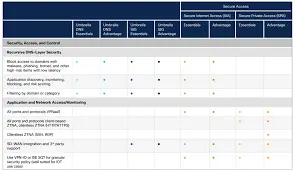
Image description: A side-by-side comparison chart showing differences in speed, security features, and device management capabilities between ISP-provided modems and premium routers.
When Should You Stick with Your ISP’s?
While standalone routers offer clear advantages, there are scenarios where sticking with your ISP’s modem makes sense:
- Budget Constraints: If your internet usage is limited to browsing and email, a basic modem suffices.
- Simplified Setup: Modems require zero configuration, ideal for non-tech users.
- Lease Agreements: Some ISPs charge fees for returning modems, adding hidden costs to router upgrades.
However, even budget-conscious users benefit from pairing a low-cost router (100) with their modem to enhance coverage and security.
The Middle Ground: Hybrid Solutions
For those unwilling to fully commit to a standalone router, hybrid solutions like mesh systems bridge the gap. Devices like Google Nest Wifi or Eero integrate with ISP modems to extend coverage and add smart features. A family in Austin used a mesh system to eliminate dead zones in their 2,500 sq. ft. home without replacing their ISP’s modem.
Long-Term Financial Implications
While a premium router may cost 300 upfront, it often outlasts ISP-provided equipment by 3–5 years. Considering the average monthly internet bill (150), upgrading your router is a fraction of the cost—and the performance gains justify the investment.
The decision between an ISP modem and a standalone router hinges on your priorities: short-term convenience versus long-term performance and security. For most households and businesses, a high-quality router is a no-brainer—it transforms your connectivity experience, future-proofs your network, and safeguards against evolving threats. If budget allows, pairing a router with your modem creates the best of both worlds: reliability and cutting-edge innovation.






Leave a comment