
STRATEGIC HARDWARE POSITIONING
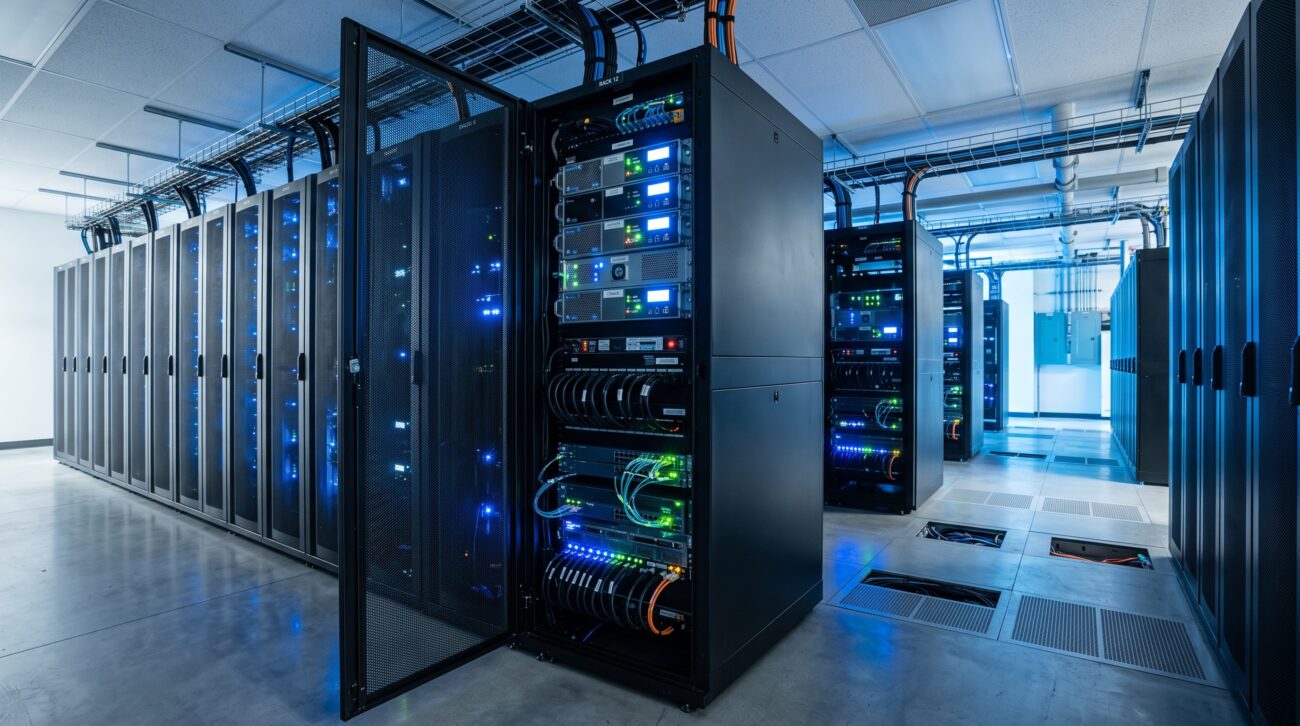
In the rapidly evolving landscape of telecommunications infrastructure, capital expenditure optimization remains a paramount objective for network operators worldwide. The strategic procurement of refurbished telecom power systems presents a compelling value proposition, offering carrier-grade reliability at a significantly reduced total cost of ownership (TCO). This evaluation report provides a comprehensive technical and commercial assessment of sourcing pre-owned, factory-refurbished rectifier systems, converter modules, and distribution units. Our methodology adheres to the highest industry standards, ensuring that each unit undergoes rigorous testing, component-level reconditioning, and firmware updates to meet or exceed original equipment manufacturer (OEM) performance baselines. This document serves as the authoritative technical reference for infrastructure directors, procurement specialists, and network engineering teams considering refurbished assets as a viable alternative to new equipment acquisitions.
TCO EFFICIENCIES
The financial calculus associated with refurbished telecom power systems is multifaceted, extending beyond the initial acquisition discount. Our analysis indicates potential cost savings of 40% to 60% against equivalent new systems, without compromising operational integrity. These efficiencies are derived from several key factors: the elimination of extended lead times associated with new semiconductor and magnetics procurement, reduced depreciation curves, and access to a broader pool of legacy infrastructure components that remain in active deployment across global networks. Furthermore, the strategic acquisition of refurbished units enables operators to allocate capital towards software-defined networking (SDN) initiatives, 5G radio access network (RAN) densification, or edge computing node expansion, thereby optimizing overall portfolio performance. Our lifecycle cost models incorporate a five-year operational horizon, factoring in energy consumption, maintenance intervals, and failure rate probabilities, all of which are benchmarked against factory-fresh counterparts with negligible performance divergence.
SCALABILITY ADVANTAGES
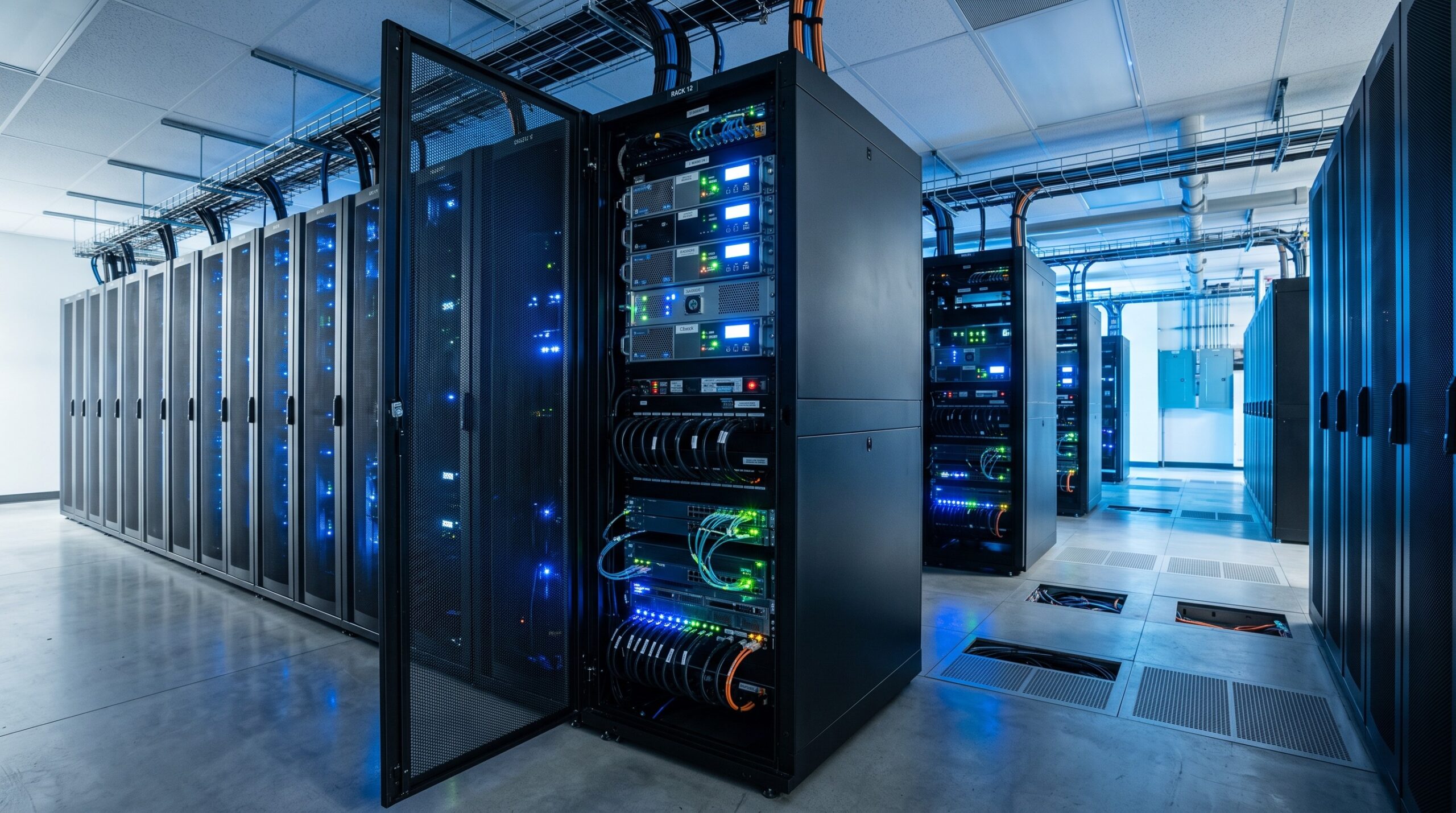
Scalability within the refurbished ecosystem is achieved through modularity and standardized physical interfaces. The systems are designed to support both centralized -48 VDC power plants and distributed remote radio head (RRH) powering architectures. Our inventory encompasses a wide range of form factors, from 1RU shelf units to large-scale 7-foot racks, accommodating power densities up to 6000W per shelf. The inherent scalability is realized through hot-swappable rectifier modules, allowing for gradual capacity augmentation in response to traffic growth. This granular scalability ensures that operators can precisely match power capacity to load demands, avoiding the common pitfall of overprovisioning that often accompanies new system deployments. Refurbished platforms also support a diverse array of input voltage configurations, including 110VAC, 220VAC, and 380VDC, ensuring seamless integration into brownfield sites where existing AC distribution panels may be constrained.
SPECIFICATION REPORT
Below is the comprehensive specification report for the flagship refurbished power system series. These parameters are derived from empirical testing conducted in our ISO 9001-certified reconditioning facilities. Each unit is restored to its original factory calibration, with key wear components such as electrolytic capacitors, cooling fans, and optocouplers replaced with new, high-reliability equivalents. The following table represents the validated performance metrics for the most commonly deployed configurations.
| Parameter | Specification |
|---|---|
| Form Factor | 2RU / 7RU Chassis (Modular) |
| Output Voltage | -48 VDC (Adjustable -42 to -58 VDC) |
| Total Output Power | Up to 6000W per Shelf |
| Input Voltage Range | 85-300 VAC (Automatic Range Selection) |
| Power Supply Modules | 1+1 or N+1 Redundant AC/DC Rectifiers |
| Efficiency (Peak) | > 96% (at 50% Load) |
| Operating Temperature Range | -5°C to +55°C |
| MTBF (Mean Time Between Failures) | > 250,000 Hours (Bellcore Calculations) |
| Cooling Mechanism | Variable-Speed, Front-to-Back Airflow |
| Management Interface | SNMP v3, Web GUI, CLI, RS-485 Modbus |
Additional operational parameters include: Input Current (Max) of 15A per phase, Output Ripple (Peak-to-Peak) of
📥 Download Technical Specification
Click the button below to view or download the full official PDF datasheet.

Leave a comment