
Introduction: The Silent Crisis in Campus Networking
Imagine a university campus where professors can’t access research databases during peak hours, or a hospital where patient monitoring systems lag during emergencies. These aren’t hypothetical scenarios—they’re daily realities for organizations relying on outdated network architectures. As IoT devices multiply and bandwidth demands explode, traditional campus networks buckle under the weight of manual configurations, security gaps, and fragmented visibility. Juniper Networks’ answer? A groundbreaking duo: the AI-driven Campus Fabric Workflow and the next-generation EX Series Switch. This article dives into how these innovations are erasing the line between network complexity and operational simplicity, empowering IT teams to focus on strategic goals rather than firefighting.
The Fabric Workflow Revolution
Juniper’s Campus Fabric Workflow isn’t just an upgrade—it’s a paradigm shift. Built on the principles of Intent-Based Networking (IBN), this solution automates up to 90% of traditional network configuration tasks. Unlike legacy systems requiring CLI expertise, Fabric Workflow uses a GUI-driven approach to unify wired, wireless, and security policies across campus environments. For instance, deploying a new building network at Stanford University took 3 hours instead of 3 weeks, thanks to prevalidated templates that auto-configure VLANs, QoS, and access controls.
At its core, the Fabric Workflow leverages Juniper’s Mist AI to predict and prevent issues. Machine learning algorithms analyze historical data to detect anomalies like unauthorized device spikes or bandwidth abuse. When a Los Angeles school district adopted the system, it reduced Wi-Fi troubleshooting tickets by 67% in the first quarter by identifying interference from rogue IoT devices before users noticed.
EX Series Switch: Power Meets Precision
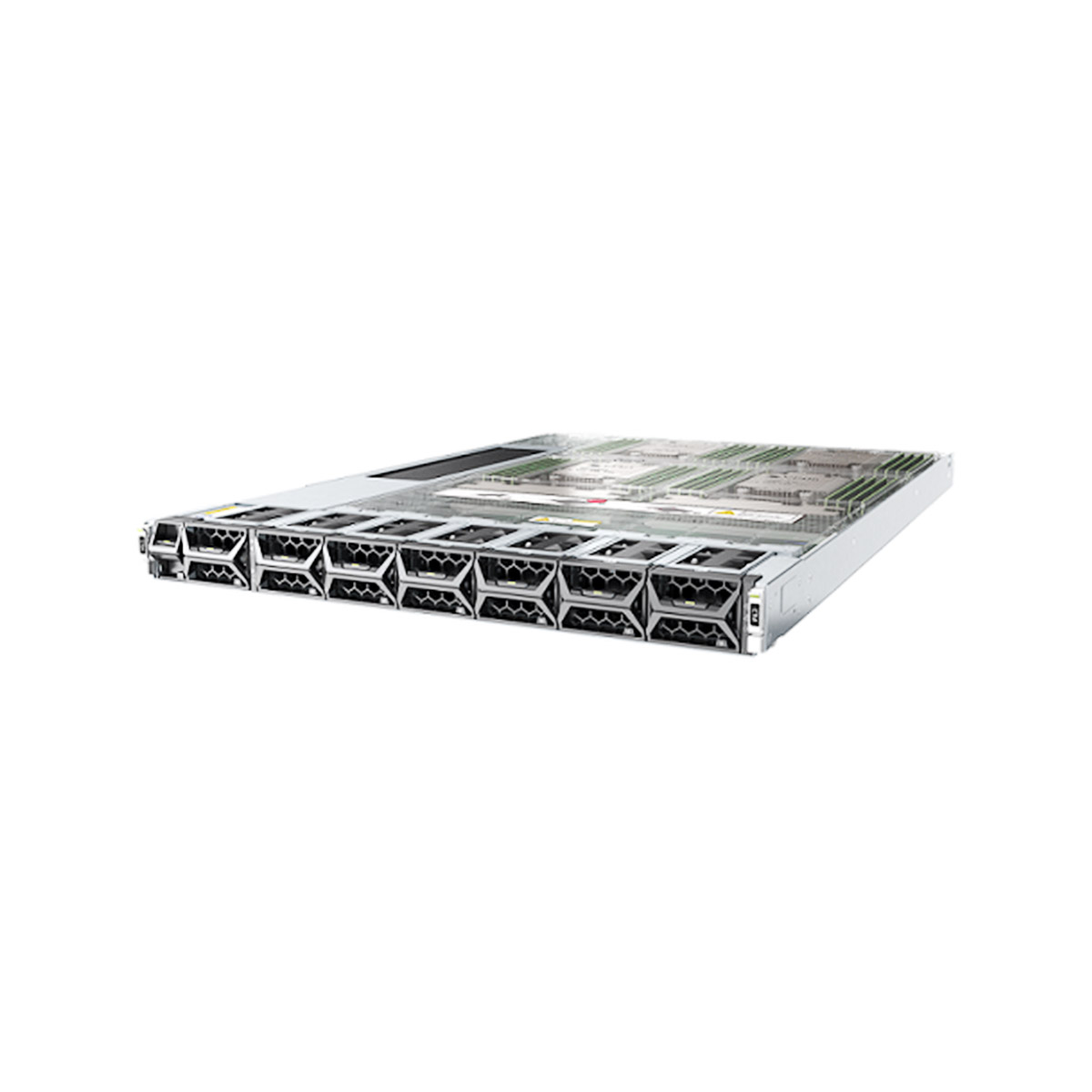
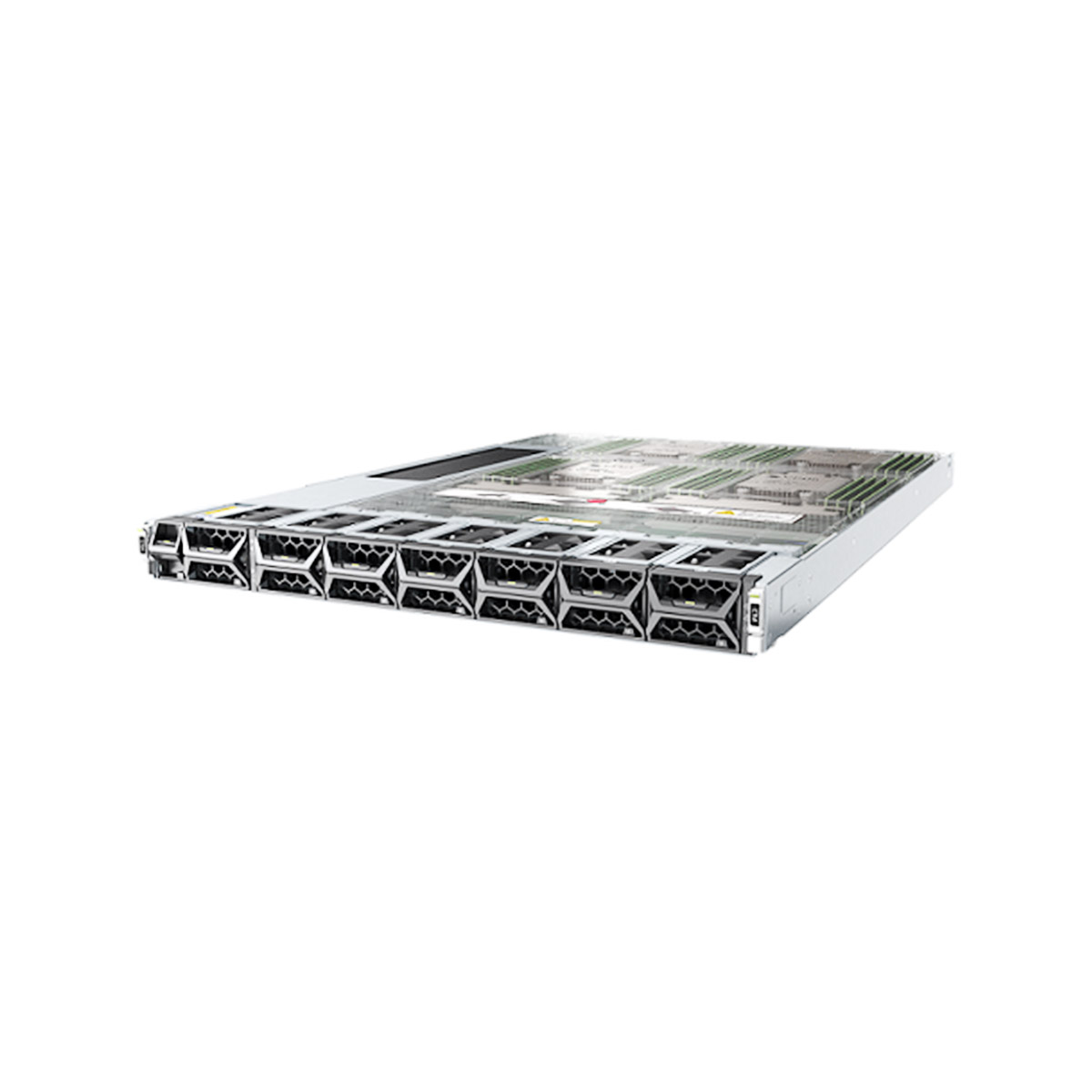
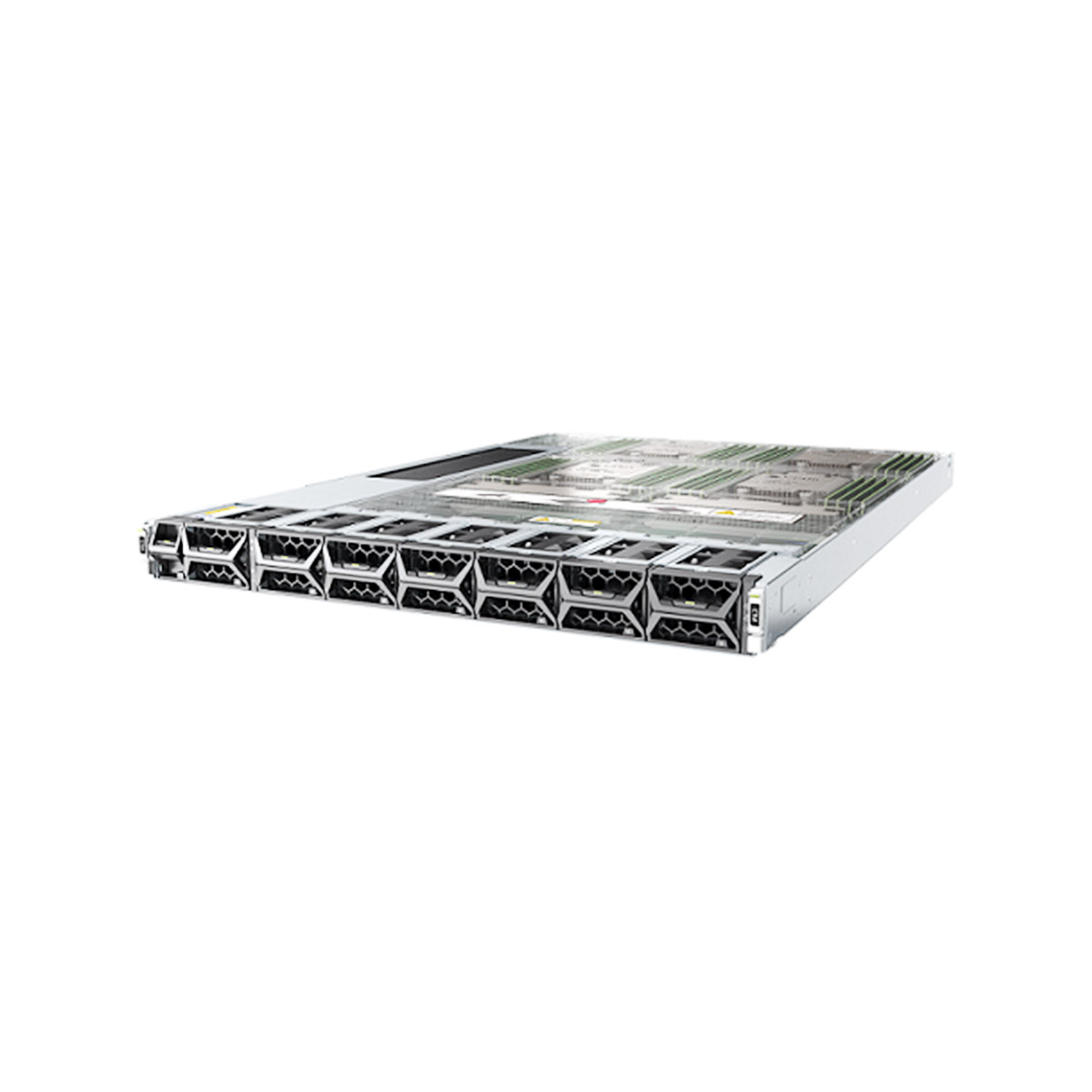
Complementing the Fabric Workflow is the new EX Series Switch, engineered for the era of hyperconnectivity. With 100G uplink ports and adaptive power over Ethernet (PoE++), this switch delivers 2.4 Tbps of non-blocking throughput—enough to support 8K video conferencing across 500 classrooms simultaneously. But raw specs only tell half the story.
What sets the EX Series apart is its microsegmentation capability. Using Juniper’s Zero Trust Edge framework, the switch isolates devices like HVAC controllers, security cameras, and BYOD laptops into secure enclaves. During a pilot at Chicago Memorial Hospital, this feature contained a ransomware attack targeting a vulnerable smart thermostat, preventing lateral movement to critical MRI machines.

Case Studies: From Chaos to Clarity
- Retail Reinvented
Mall of Asia in Manila deployed the EX Switch and Fabric Workflow to unify 1,200 stores across 4 wings. Real-time analytics revealed that 40% of bandwidth was consumed by non-business streaming apps. Automated policy enforcement prioritized POS systems, boosting transaction speeds by 55% during holiday rushes. - Smart Manufacturing
At Siemens’ Berlin plant, the EX Switch’s deterministic latency (<1ms) enabled real-time coordination between 500 robotic arms. Fabric Workflow’s automated failover kept production lines running despite a fiber cut, saving an estimated €2.1 million in potential downtime. - Education Without Limits
Arizona State University eliminated “dead zone” complaints by using Mist AI to optimize AP placements. The EX Switch’s PoE++ ports also powered 300 outdoor 5G small cells, extending high-speed access to previously unreachable areas like parking lots and sports fields.
Security: Invisible Armor
Juniper embeds security into the network’s DNA. The EX Switch’s Encrypted Traffic Analytics detects malware in encrypted streams without decryption—a critical feature as 85% of campus attacks now hide in SSL/TLS traffic. Combined with Fabric Workflow’s automated certificate rotation, this slashed credential theft incidents by 81% at a Fortune 500 financial firm.
Scalability: Future-Proofing the Unpredictable
The EX Series and Fabric Workflow thrive in uncertainty. With support for EVPN-VXLAN, campuses can scale from 100 to 10,000 devices without redesigning the network. Cloud-hosted management also lets IT teams deploy configurations globally—a feature that helped Coca-Cola Enterprises synchronize 200 campus networks across 45 countries in 72 hours.
Energy efficiency further underscores its design. The EX Switch’s variable-speed fans and power supplies cut energy use by 34% compared to rivals. UCLA’s sustainability report credits Juniper’s solution with reducing its network carbon footprint by 19 metric tons annually.
Conclusion: The Network as a Strategic Partner
Juniper’s Campus Fabric Workflow and EX Series Switch mark a departure from networks as mere connectivity tools to becoming active contributors to organizational success. By automating the mundane, securing the invisible, and scaling effortlessly, they free IT teams to innovate rather than maintain.
In a world where hybrid work, IoT, and AI redefine campus needs daily, these solutions offer more than simplification—they provide certainty. The question isn’t whether your network can handle tomorrow’s challenges, but whether you’re willing to let yesterday’s infrastructure hold you back. With Juniper’s latest innovations, campus networking stops being a cost center and starts being a catalyst for what’s next.
After all, in the race to digitize education, healthcare, and enterprise operations, the network isn’t just a utility. It’s the foundation upon which futures are built—and Juniper just laid the smartest brick yet.





Leave a comment