
Overview & Thematic Scope
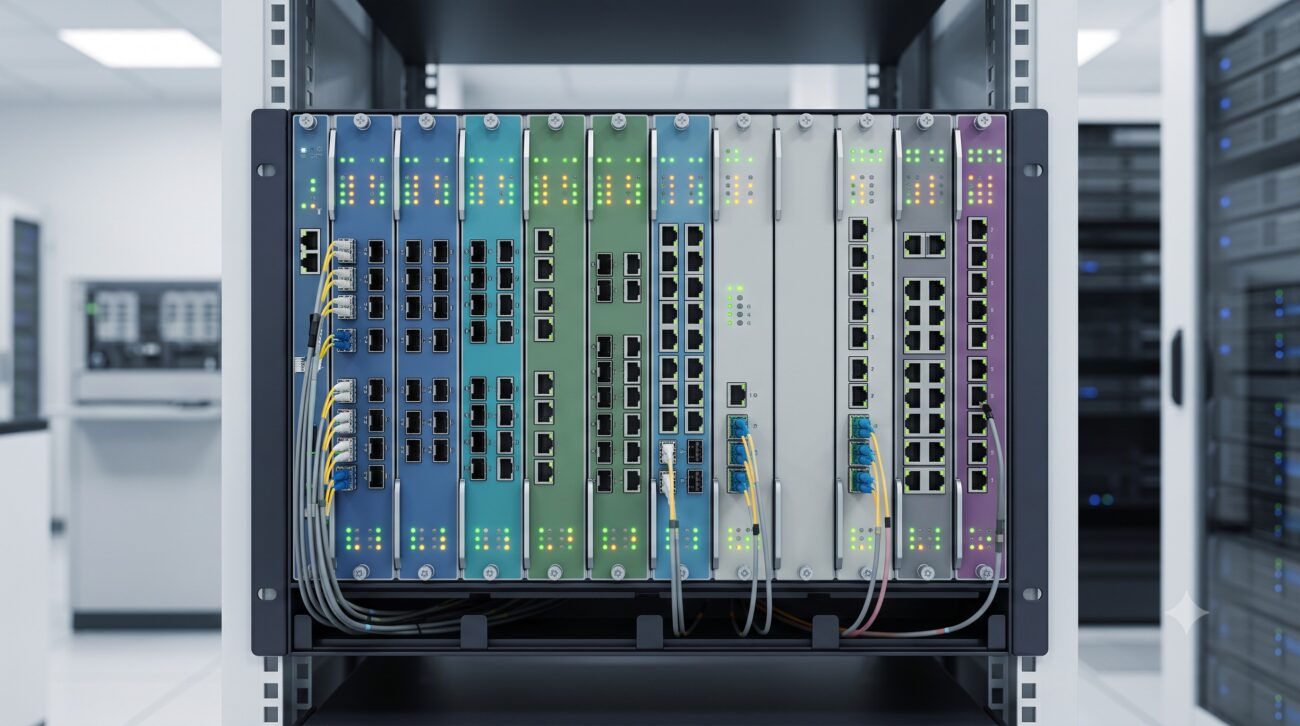
Welcome to our comprehensive technical FAQ for the ZTE ZXMP M800, a high-capacity metro DWDM/OTN platform. This guide addresses the critical questions network engineers and procurement specialists have about mixing legacy SDH and next-generation OTN line cards within the same chassis. We provide definitive answers on configuration, compatibility, and troubleshooting to ensure your network upgrades and maintenance run smoothly .
Frequently Asked Questions
- Q1: Can I physically mix SDH and OTN line cards in a ZTE ZXMP M800 chassis?
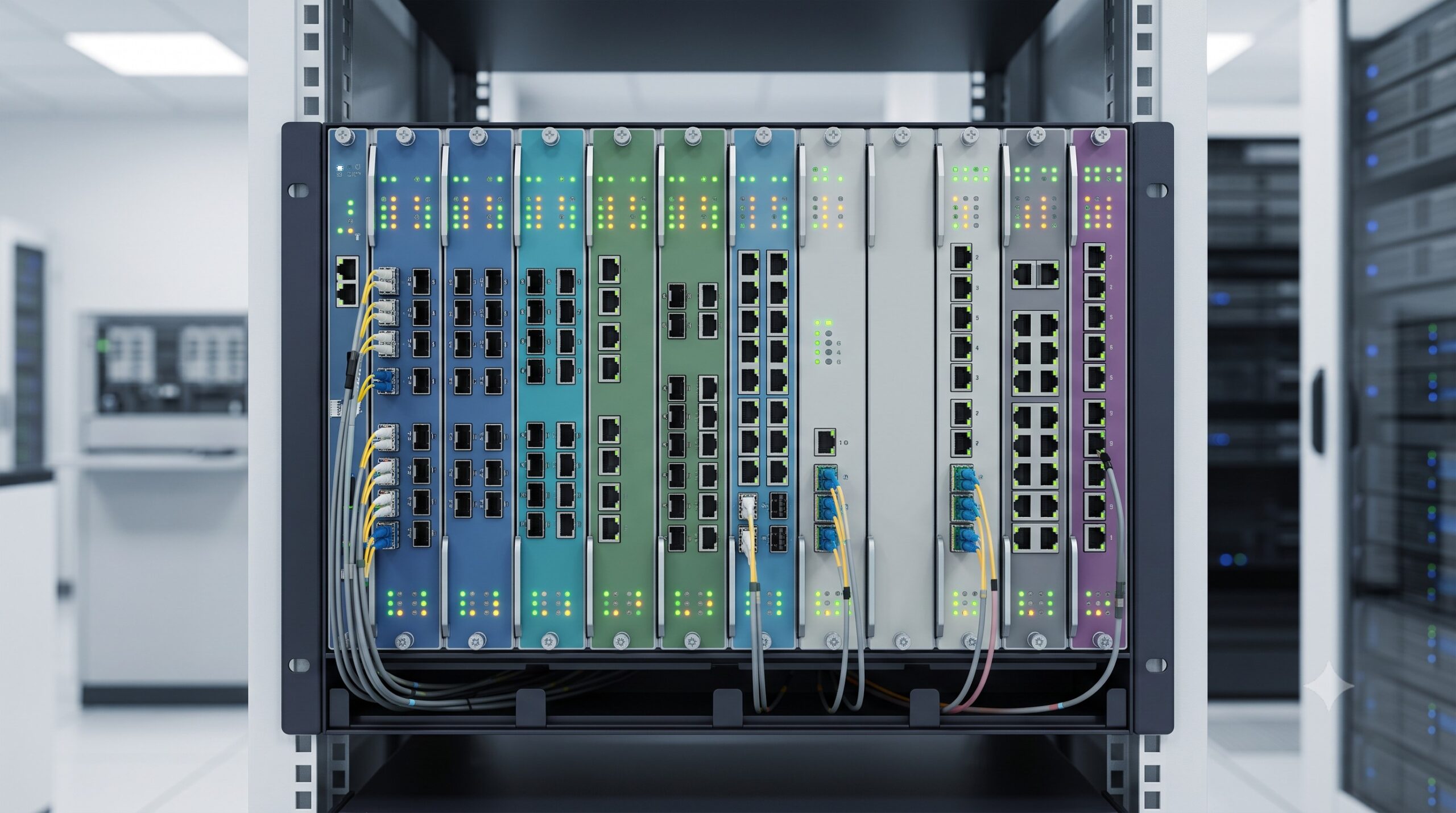
- Yes, the ZTE ZXMP M800 is designed as a unified multi-service platform that supports the physical mixing of SDH and OTN line cards within the same chassis . Its hardware architecture is built around a flexible backplane and unified switching fabric that can accommodate various card types simultaneously. You can install traditional SDH cards like STM-N boards alongside OTN-specific cards and service aggregation boards such as the DSA or GEM2, allowing for a smooth transition from legacy TDM to modern packet-optical networks .
- Q2: What are the key technical considerations when configuring mixed SDH and OTN cards in the M800?
- When configuring mixed cards, ensure that the provisioning of the Optical Transport Network (OTN) and SDH domains aligns with the service requirements. The M800 uses a General Service Switch Platform (GSS) for flexible sub-wavelength and wavelength scheduling . It is critical to properly plan the mapping of client signals using OTN framing (e.g., ODU1/ODU2) and SDH virtual containers (VCs), as the platform supports up to 800Gbit/s of capacity . Additionally, clock synchronization must be managed correctly as the system provides a unified clock reference to both SDH and OTN cards .
- Q3: What types of services can be supported by mixing SDH and OTN cards in this way?
- Mixing SDH and OTN cards enables a converged transport network capable of supporting virtually any legacy and modern service. This includes standard TDM services like STM-1/4/16/64, which connect to SDH cards, and packet services like Gigabit Ethernet (GE), 10GE, Fibre Channel (FC), ESCON, and FICON, which are typically processed by OTN or data aggregation cards . The M800 acts as a true multi-service platform, allowing you to seamlessly consolidate Layer 1 transport for both legacy voice and new data traffic.
- Q4: How does the M800 handle electrical and optical layer protection in a mixed-card configuration?
- The ZXMP M800 provides robust 1+1 hot backup for critical components like power, cross-connect, and clock modules, and supports 6 optical-layer and 3 electrical-layer protection mechanisms, ensuring carrier-grade reliability across mixed configurations . For example, you can configure optical channel shared protection (OPCS) at the optical layer for OTN wavelengths and traditional SDH MSP (Multiplex Section Protection) rings, all within the same network. This independent protection at each layer ensures high resilience without creating dependency conflicts between the SDH and OTN domains .
- Q5: What are the maximum capacity limits when mixing SDH and OTN cards?
- The ZXMP M800 platform scales to a maximum transmission capacity of 800 Gbit/s, and supports up to 80 wavelengths on the C-band with 50 GHz channel spacing . When mixing card types, the total system capacity is shared. For instance, a configuration could use some wavelengths for 10G OTU boards carrying high-speed data, while other wavelengths might be used for 2.5G OTU boards aggregating multiple STM-16 SDH signals from the SDH cards in your network. The actual limit depends on the specific mix of line cards and the installed optical amplifiers .
- Q6: What are the common errors when mixing SDH and OTN cards and how do I resolve them?
- Common errors include wavelength conflicts, especially with fixed-wavelength OTU boards (using tunable OTUs is recommended to simplify configuration and reduce spare parts) . Another frequent issue is signal degradation due to improper power balancing across the mixed services, but the M800 helps mitigate this with its Automatic Power Optimization (APO) and Integrated Wavelength Feedback (IWF) monitoring technologies . Always ensure the correct line card drivers and firmware versions are installed to avoid compatibility errors, and use the network management system to provision services and perform real-time monitoring .

Leave a comment