
a factory floor vibrating with machinery, dust hanging thick in the air, temperatures swinging from freezing to scorching. Now imagine your network switch failing there. Production halts. Costs explode. That’s why Aruba Industrial Switch solutions aren’t just another box on the rack—they’re the unsung heroes keeping operations alive where standard gear crumbles. Industrial environments demand armor-plated networking: gear that laughs at metal shavings, shrugs off chemical sprays, and syncs real-time data without flinching. It’s not if you need rugged switching; it’s whether your current setup can handle tomorrow’s meltdown.
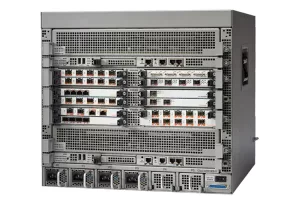
So, what exactly makes Aruba Industrial Switch gear the last switch standing when others fail? Let’s break it down. First, durability isn’t a checkbox—it’s engineered into the DNA. We’re talking hardened steel casings that deflect physical impacts, conformal-coated circuit boards resisting humidity and corrosive fumes, and operating ranges stretching from Arctic cold to desert heat. Try running a consumer-grade switch at -40°C or alongside arc welders creating electromagnetic chaos. It’ll choke. Aruba’s industrial series? Barely notices.
Then there’s deterministic performance. Manufacturing robots, conveyor systems, remote PLCs—these aren’t sending casual emails. They require microsecond precision. Standard switches might buffer traffic or introduce jitter, causing costly misalignments on the assembly line. Aruba’s deterministic switching guarantees data arrives exactly when needed, every time. Layer on zero-touch provisioning for remote sites and embedded cybersecurity like MACsec encryption stopping rogue device access? Now you’re not just surviving—you’re preventing disasters before they start.
Operational uptime ties it all together. Ever tried troubleshooting a dead switch dangling 30 feet up in a warehouse ceiling? Redundant power inputs with dual AC/DC sources keep things running even if one line fries. Passive cooling eliminates fan failures (no moving parts to jam with grime). And predictive analytics flag issues—say, temperature creeping up near critical—before they escalate. That’s proactive maintenance vs. emergency shutdowns costing thousands per minute.
Can industrial networks survive what’s coming? Absolutely—if you ditch fragile hardware pretending to be tough. Modern plants run on real-time IIoT sensors, autonomous carts, and AI-driven quality control. These demand switches handling high-bandwidth video feeds, synchronized motion control signals, and relentless multicast traffic without buckling. Aruba’s design accounts for this chaos: optimized Layer 2 protocols prevent broadcast storms, while simplified management through Aruba Central means IT teams oversee hundreds of sites without hopping on planes.
Bottom line: choosing any industrial switch is gambling with downtime. Choosing Aruba Industrial Switch solutions means betting on continuity. In environments where failures cascade into six-figure losses, this hardware acts like a network insurance policy. Conformal coatings repel more than moisture—they shield your bottom line. DIN-rail mounts? They’re not just brackets; they’re anchors keeping production online. That subtle distinction defines industrial resilience: it’s not about enduring punishment, but performing flawlessly while taking hits. When your switch ignores extremes and attackers equally, you’ve built infrastructure that outlasts crises. That’s how facilities transform from automated to unstoppable—switching from reactive panic to relentless output, cable by hardened cable.
Final thought? Surviving isn’t enough. Thriving in harsh environments demands switches designed for war, not conference rooms. With Aruba Industrial Switch ecosystems embedded from mine shafts to offshore rigs, downtime becomes somebody else’s headline. Your machines keep humming because the network silently does its brutal job—day after punishing day. That’s the edge ordinary switches can’t deliver. Period.

Leave a comment