
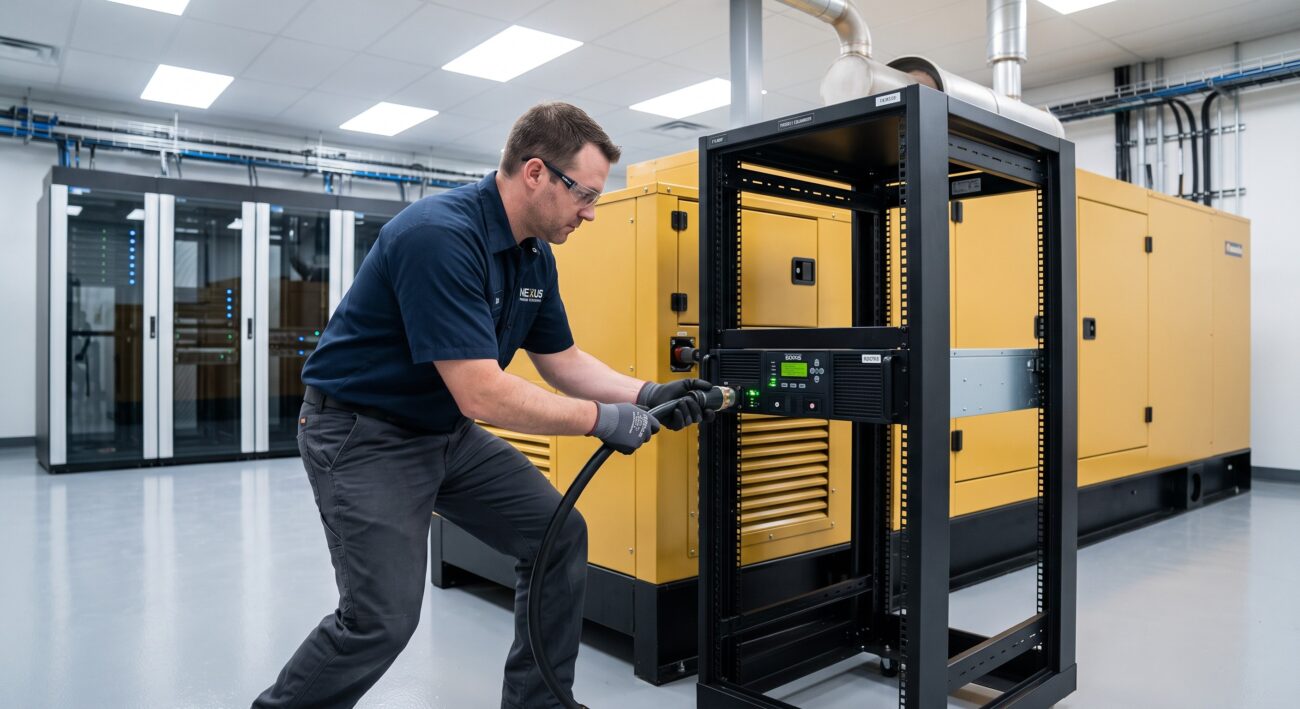
Overview & Thematic Scope
Integrating backup diesel generator start signals with Switched-Mode Power Supply (SMPS) controllers is a critical task for ensuring uninterrupted DC power in B2B telecom infrastructure. This FAQ provides expert answers to common technical questions covering signal types, wiring schematics, logic programming, and troubleshooting to ensure seamless automatic transfer during mains failure.
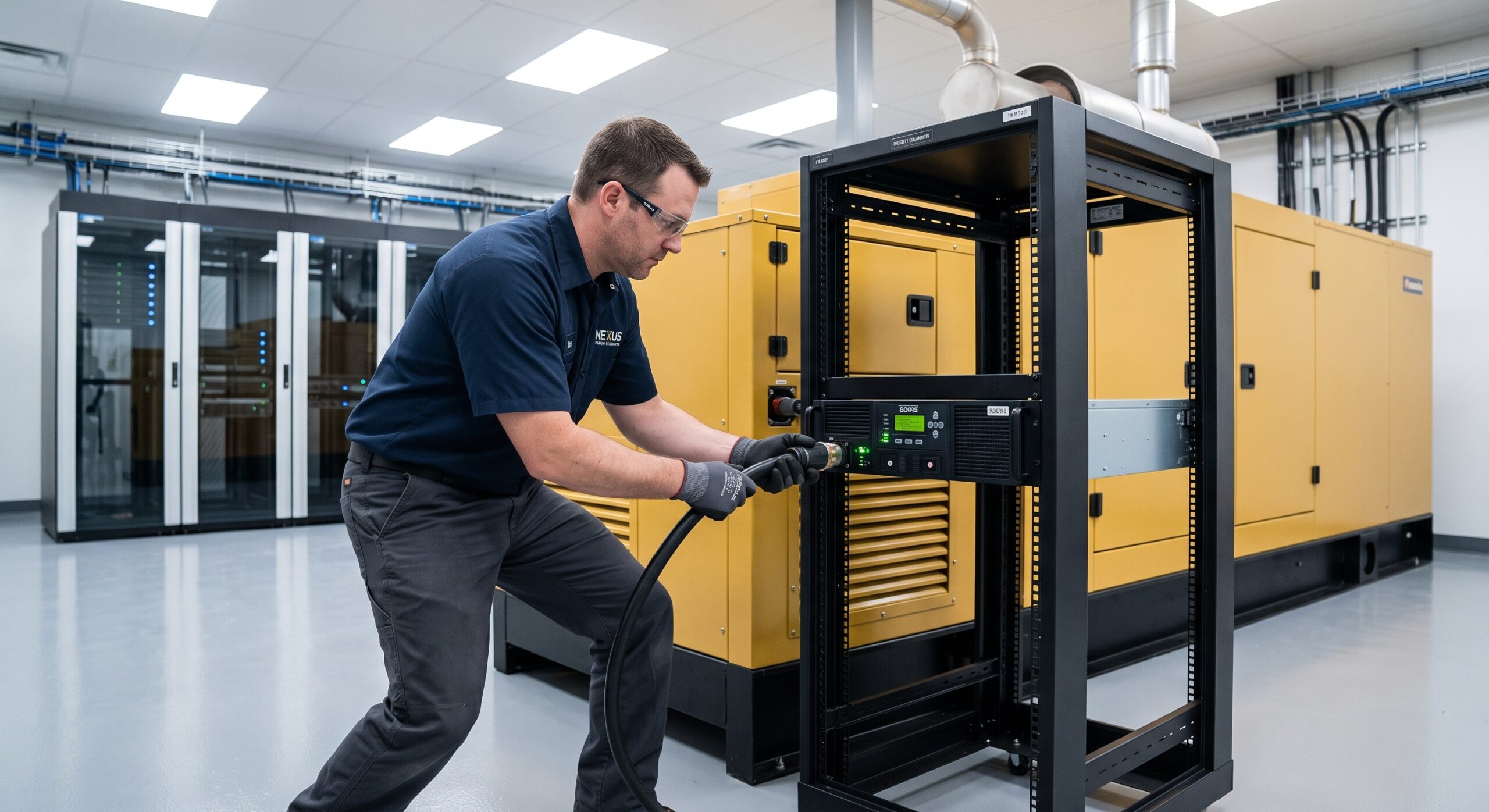
Frequently Asked Questions
- Q1: What are the most common signal types used to start a backup diesel generator from an SMPS controller?
- The most common signals are a normally open (NO) dry contact closure and a -48 VDC voltage signal. The dry contact closure is the industry standard, acting as a simple switch that closes to initiate the start sequence when the SMPS detects a low AC mains condition. For older or specific generator models, a -48 VDC signal is used, where the SMPS controller supplies this voltage to the generator’s start input. Always verify the generator’s control module specification to select the correct signal type to avoid damage or false starts.
- Q2: How do I properly wire the SMPS controller’s ‘Generator Start’ relay output to the diesel generator’s remote start input terminals?
- Wire the SMPS relay output to the generator’s remote start terminals using shielded twisted-pair cable to prevent electromagnetic interference. The typical wiring connects the SMPS ‘COM’ (common) and ‘N/O’ (normally open) terminals directly to the generator’s ‘START’ and ‘GND’ terminals, respectively. Ensure the cable length does not exceed 50 meters to maintain signal integrity and always use a 2A fast-acting fuse in series with the circuit for short-circuit protection. Never use the relay output to switch high-current loads; it is only for signaling.
- Q3: How do I configure the SMPS controller for automatic generator start based on AC mains fail detection?
- Set the SMPS controller to ‘Auto Start’ mode and define the ‘AC Fail Delay’ and ‘Start Signal Hold Time’ parameters. The AC Fail Delay should be set to 3-5 seconds to avoid nuisance starts due to brief power glitches. The Start Signal Hold Time should be configured to 2-3 seconds, providing a guaranteed pulse to the generator’s control module. Additionally, configure the ‘Mains Restore Delay’ to 60-120 seconds to ensure the mains is stable before transferring the load back from the generator.
- Q4: What is a ‘dry contact’ and why is it the preferred interface for generator start signals?
- A dry contact is an unpowered, voltage-free switch contact, and it is preferred because it provides electrical isolation between the SMPS controller and the generator. This isolation prevents ground loops, eliminates the risk of voltage mismatch damaging the control circuitry of either device, and ensures compatibility across different manufacturers. By using a dry contact, the SMPS acts as a simple switch, while the generator’s internal control module provides its own isolated voltage to detect the closure.
- Q5: How do I integrate the generator start signal with a smart SMPS controller that uses Modbus or SNMP?
- Integration involves configuring the SMPS controller’s Modbus or SNMP agent to map the ‘Generator Start’ status to a readable register or trap. This allows remote monitoring systems to track generator start events, runtime, and failures. However, the physical start signal itself remains a hardware-based dry contact output, as Modbus/SNMP is used for monitoring and not for real-time emergency signaling due to network latency and reliability concerns.
- Q6: What are the common troubleshooting steps if the generator fails to start automatically when the SMPS sends the signal?
- First, verify the SMPS relay output is actually closing using a multimeter while simulating an AC fail. Second, check the wiring continuity and ensure the fuse is intact. Third, confirm the generator’s control panel is in ‘AUTO’ mode and the remote start input is configured correctly. Finally, test the generator’s remote start by shorting its START and GND terminals locally to isolate whether the problem is with the generator or the SMPS signal path. Also, check for any error codes on the generator controller that may indicate a startup lockout condition.
- Q7: What safety considerations are crucial when integrating these two power systems?
- Implement a proper safety interlock to prevent the generator from starting when maintenance personnel are working on the system. Always use a lockout/tagout (LOTO) procedure. Ensure that all wiring meets local electrical codes, and provide overcurrent protection for the signal lines. Ground the SMPS and generator control systems at a single point to avoid ground loops, and ensure the SMPS controller’s internal logic prevents a start signal when the generator is already running to avoid damaging the starter motor.
- Q8: How do I test the integration signal path without causing an actual AC mains failure?
- Use the SMPS controller’s built-in ‘Manual Start Test’ function or a relay test mode, if available. This function allows you to manually close the ‘Generator Start’ relay output via the controller’s front panel or software. This tests the entire wiring path and the generator’s start sequence safely. Alternatively, simulate an AC fail by opening the upstream circuit breaker feeding the SMPS for a few seconds, but this should only be done during scheduled maintenance windows with all critical loads properly protected.

Leave a comment