
Staying connected is everything in today’s business world—but what happens when traditional internet options fall short? For companies with branch offices, pop-up sites, or locations in hard-to-wire areas, relying solely on wired wide-area networks just isn’t always practical. Delays in deployment, physical infrastructure limitations, and the need for rapid scalability have led many organizations to explore wireless alternatives. This is where 5G fixed wireless access (FWA) enters the picture, offering a high-speed, flexible way to keep operations running without the wait or wiring constraints. For IT managers and network planners evaluating switches, routers, and other connectivity hardware, understanding how modern cellular gateways integrate into your wider infrastructure is becoming essential. It’s not about replacing wired connections entirely—it’s about building a blended, resilient network that can adapt quickly to changing business needs.
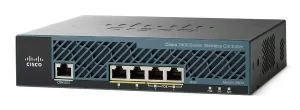
Cisco’s Meraki MG52 and MG52E gateways are designed specifically for these scenarios. With enhanced throughput that supports demanding applications and dual 2.5GbE ports for high-speed uplinks, these devices serve as reliable primary or failover connections. They’re built for simplicity, too—adopting a cloud-managed approach that allows remote setup, monitoring, and troubleshooting from a single dashboard.
One major advantage is deployment speed. In places where laying fiber or copper could take months, 5G FWA can be up and running in hours. This makes it ideal for temporary sites, retail pop-ups, construction trailers, or even rural offices where conventional ISPs can’t easily reach.
But performance isn’t the only consideration. These cellular gateways also incorporate enterprise-grade security, powered by Cisco Talos, offering features like intrusion detection, content filtering, and advanced malware defense. This means your wireless links aren’t just fast—they’re also secure.
For businesses already using Cisco Meraki switches or routers, adding these gateways is a natural fit. They integrate seamlessly into existing SD-Branch and SD-Campus architectures, supporting unified policies and streamlined operations. You can manage switches, routers, and gateways all from the same console, simplifying daily tasks and improving visibility across the network.
Several major carriers have recognized the value of this approach. AT&T, T-Mobile, and Verizon Business now include these gateways in their service offerings, providing enterprise customers with more flexibility and choice. Whether as a primary link or for backup and diversity, 5G FWA is shifting from an emerging technology to a core component of business WAN strategy.
If you’re planning network upgrades or expanding to new locations, it’s worth considering where fixed wireless might fit into your infrastructure. Devices like the MG52 and MG52E aren’t just for special cases—they’re becoming a standard part of modern network design, offering agility and redundancy that purely wired setups can’t match.
Looking ahead, the role of 5G in business networks will only keep growing. As latency decreases and bandwidth increases, more applications will become viable over wireless links—from cloud-based collaboration and IoT deployments to real-time data analytics. Companies that build adaptable, hybrid networks today will be better prepared for whatever comes next.
Embracing wireless WAN doesn’t mean abandoning wired infrastructure. Instead, it’s about creating a more resilient and responsive network ecosystem. With solutions available through partners like telecomate.com, businesses of all sizes can explore how 5G gateways, switches, and routers work together to form a cohesive, high-performance system. Whether you’re supporting remote work, expanding to new markets, or ensuring business continuity, the right mix of technologies can help you stay connected—no matter where you grow.

Leave a comment