
For any small or medium-sized business, the network backbone is no longer just a utility; it’s the central nervous system that dictates operational pace and capability. The daily workflow now hinges on cloud platforms, real-time collaboration tools, and the seamless transfer of large files. When video calls stutter, large backups bring everything to a halt, or new IoT devices slow the system to a crawl, it’s a clear signal that the traditional 1Gb network is hitting its limits. This bottleneck isn’t just an inconvenience—it directly impacts customer service, project timelines, and ultimately, the bottom line. Upgrading to a 10 Gigabit Ethernet switch is often the most impactful step an SMB can take to overcome these hurdles. This transition isn’t merely about faster speed; it’s about building a resilient, scalable infrastructure that can handle current demands and adapt to future technologies without requiring another costly overhaul. The key for business owners and IT managers is to navigate this upgrade strategically, focusing on a cost-effective migration that maximizes return on investment while minimizing disruption to daily operations.
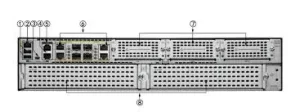
Why Should SMBs Seriously Consider a 10Gb Ethernet Upgrade?
The digital transformation sweeping across industries means that every department, from marketing to accounting, relies on instantaneous data access. Legacy networks designed for a different era are buckling under the weight of modern applications. High-definition video conferencing, server virtualization, and the proliferation of IoT sensors generate a level of traffic that can cripple a 1Gb connection, leading to frustrating latency and downtime during critical moments. A 10Gb network directly addresses this congestion, ensuring that bandwidth-intensive tasks proceed smoothly alongside routine operations. This enhancement in network performance translates into tangible business benefits: employees become more productive, client-facing applications respond faster, and the entire organization gains a competitive edge through improved agility.
Beyond solving immediate performance issues, investing in a 10Gb infrastructure is a forward-looking decision. It future-proofs the business against the next wave of technological adoption, whether that involves more sophisticated cloud services, advanced data analytics, or leveraging 5G connectivity. The scalability inherent in a 10Gb switch means that adding new devices or accommodating growth won’t require another foundational upgrade for years to come. While the initial investment requires careful planning, the long-term cost savings from avoiding repetitive, piecemeal upgrades and the productivity gains make a compelling financial case.
What are the Core Advantages of 10Gb Switches with 10GBASE-T Ports?
The 10GBASE-T standard has been a game-changer for SMBs considering an upgrade. Its primary advantage lies in its simplicity and compatibility with existing cabling infrastructure. These switches use the familiar RJ45 connectors, allowing businesses to often utilize their current Cat6a or Cat7 cabling for runs up to 100 meters. This drastically reduces the cost and complexity of migration, as there’s no immediate need to rewire entire offices. The technology is now widely supported on network equipment and servers, making it a mature and reliable choice. For SMBs looking for a straightforward path to higher speeds, 10GBASE-T switches from suppliers like Telecomate provide a seamless transition. When planning new server purchases or switch upgrades, specifying devices with built-in 10GBASE-T ports is a prudent way to ensure readiness for a 10Gb environment.
How Can SFP+ Connectivity Enhance a 10Gb Network?
For SMBs with specific performance or distance requirements, switches equipped with 10G SFP+ ports offer superior flexibility. These ports are ideal for creating high-speed links between switches in different parts of a building or for connecting to servers that are equipped with SFP+ network cards. A major benefit is the ability to use cost-effective Direct Attach Copper (DAC) cables for short connections within a server rack, which are both reliable and inexpensive. For longer distances that exceed the reach of copper cables, SFP+ fiber optic modules can connect devices hundreds of meters or even kilometers apart. This makes SFP+ technology essential for businesses with dispersed infrastructure or those that require the highest possible bandwidth and lowest latency for critical connections. Telecomate’s switch series support these SFP+ options, giving network architects the tools to design a system tailored to their exact spatial and performance needs.
What Does a Practical, Phased Migration to 10Gb Look Like?
A full-scale, simultaneous network replacement is rarely feasible or necessary for an SMB. A phased approach is far more manageable and cost-effective. The migration should begin at the network’s core—the point where all access switches aggregate and where critical servers and network-attached storage (NAS) devices are connected. Upgrading these core switches to 10Gb models delivers an immediate performance boost to the most traffic-intensive part of the network. A best practice is to deploy two core switches in a stacked configuration, which enhances both redundancy and capacity.
Once the core is modernized, the next phase involves upgrading key access switches that serve high-demand departments, such as graphic design, video editing, or software development. These groups will benefit most from the increased bandwidth. The beauty of a modern 10Gb switch is its backward compatibility; 10GBASE-T ports will automatically negotiate down to 1Gb speeds with older devices, and 10G SFP+ slots can accept 1G SFP modules. This allows the rest of the network to be upgraded at the organization’s own pace, spreading the investment over time without causing compatibility issues.
Which Critical Components Must Be Checked for Compatibility?
A successful upgrade depends on verifying more than just the switches. Overlooking other elements can lead to disappointing results. First, Network Interface Cards (NICs) in servers and high-end workstations must be evaluated. Older machines may have NICs that are incapable of 10Gb speeds and will require an upgrade to a compatible card. Second, the cabling infrastructure must be assessed. While Cat5e might technically support very short 10Gb runs, Cat6a is the recommended standard for guaranteed performance over typical office distances. Existing patch panels and connectors should also be rated for the higher frequencies required by 10Gb Ethernet. Finally, ensuring that device drivers and switch firmware are up to date is a simple but crucial step that can prevent unforeseen technical glitches and ensure optimal performance from the new hardware.
How Should Network Design Evolve with a 10Gb Upgrade?
Integrating 10Gb switches presents an opportunity to optimize the overall network design. At the core and distribution layers, the focus should be on creating a non-blocking architecture where the internal switching capacity can handle the full potential of all 10Gb ports. At the access layer, network segmentation becomes more important than ever. By using VLANs to isolate traffic from different departments or device types (e.g., separating guest Wi-Fi from corporate devices), security is enhanced, and broadcast traffic is reduced, ensuring that a problem in one area doesn’t affect the entire network. Implementing robust Quality of Service (QoS) policies is also critical. This allows the network to prioritize latency-sensitive traffic like voice and video conferencing over less critical data transfers, ensuring a consistent user experience even during periods of high demand.
The decision to upgrade to a 10Gb network is a strategic investment in an SMB’s operational foundation. The transition addresses the immediate pain points of network congestion and slow application response, directly contributing to improved employee productivity and customer satisfaction. More importantly, it builds a platform for future growth, providing the headroom needed to adopt new technologies and scale operations without being held back by infrastructure limitations. By following a deliberate, phased migration plan and paying close attention to compatibility and design, business owners can execute this upgrade smoothly and cost-effectively. The result is a robust, high-performance network that acts not as a constraint, but as a catalyst for business growth and innovation. For those ready to explore specific hardware options, reviewing the 10Gb switch portfolio on telecomate.com is a logical next step, offering a range of solutions designed to meet the varied needs and budgets of modern SMBs.

Leave a comment