
PLATFORM INTRODUCTION
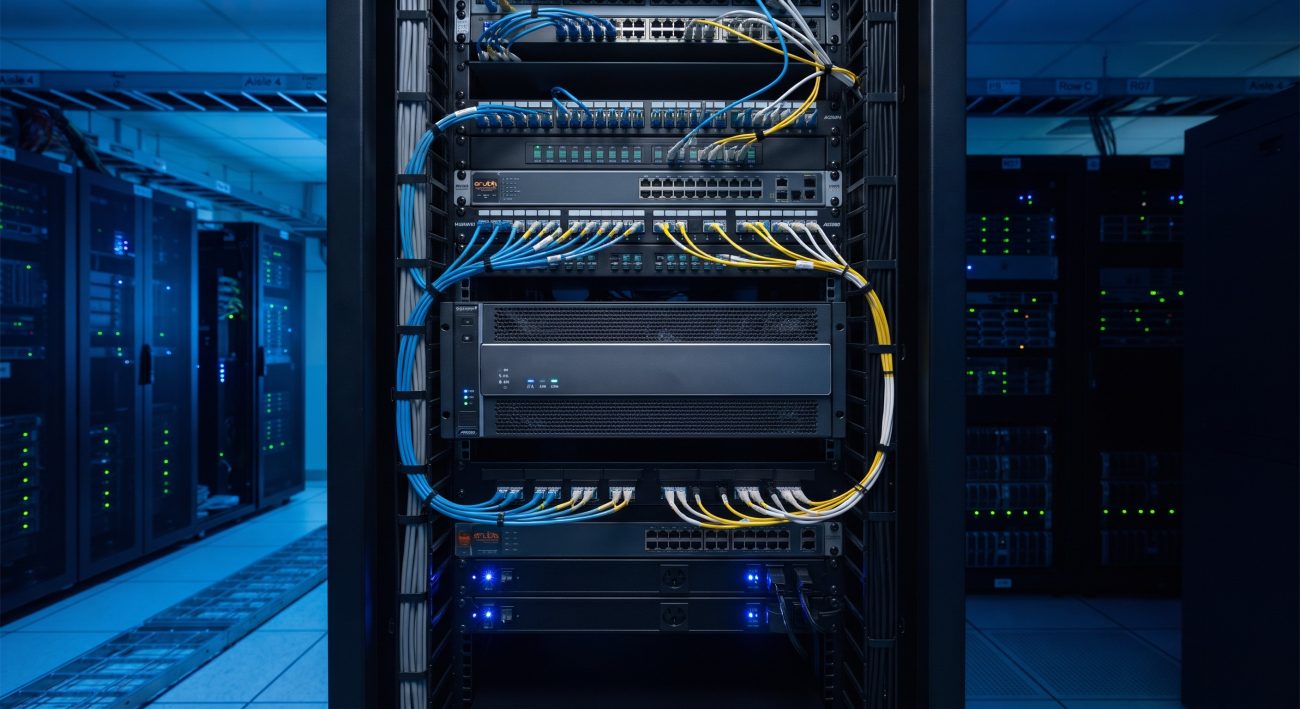
The Huawei AR6000 Series SD-WAN routers represent a purpose-built response to the escalating demands of enterprise WAN edge environments, where the convergence of cloud access, SaaS acceleration, and real-time collaboration traffic strains conventional forwarding architectures. At the heart of this platform lies a sophisticated suite of WAN optimization algorithms engineered to transcend the limitations of best-effort internet transport. The AR6000 integrates a heterogeneous forwarding architecture that combines multi-core ARM processors with dedicated Network Processing Units (NPUs), establishing a hardware-accelerated foundation for executing packet-level optimization without compromising throughput or introducing artificial latency . This reference design guide examines the algorithmic mechanisms—Adaptive Forward Error Correction (A-FEC), multi-fed selective receiving, and intelligent traffic steering—that collectively enable the AR6000 to deliver carrier-grade application experience across hybrid WAN infrastructures.
PHYSICAL INSTALLATION PREREQUISITES
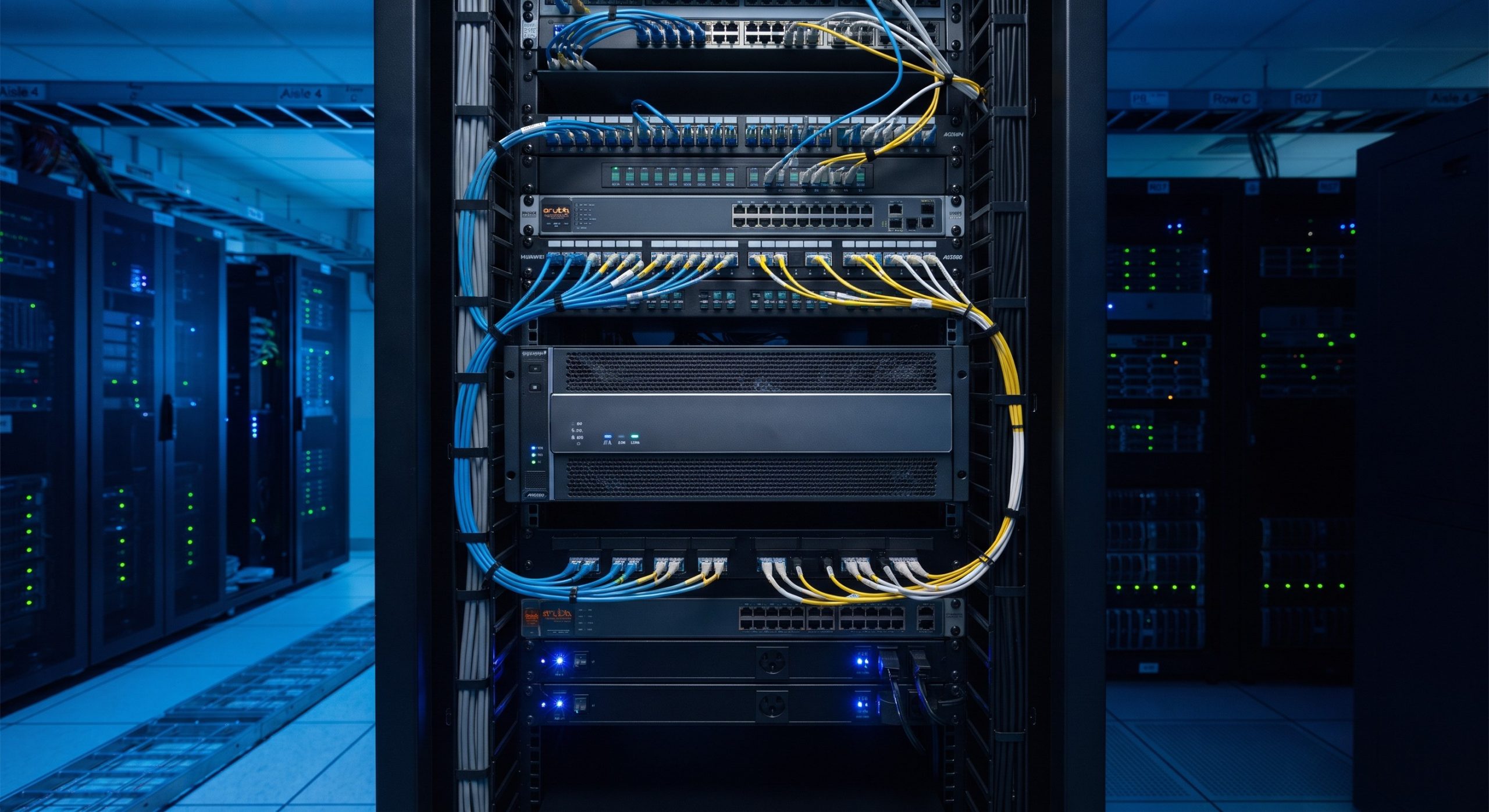
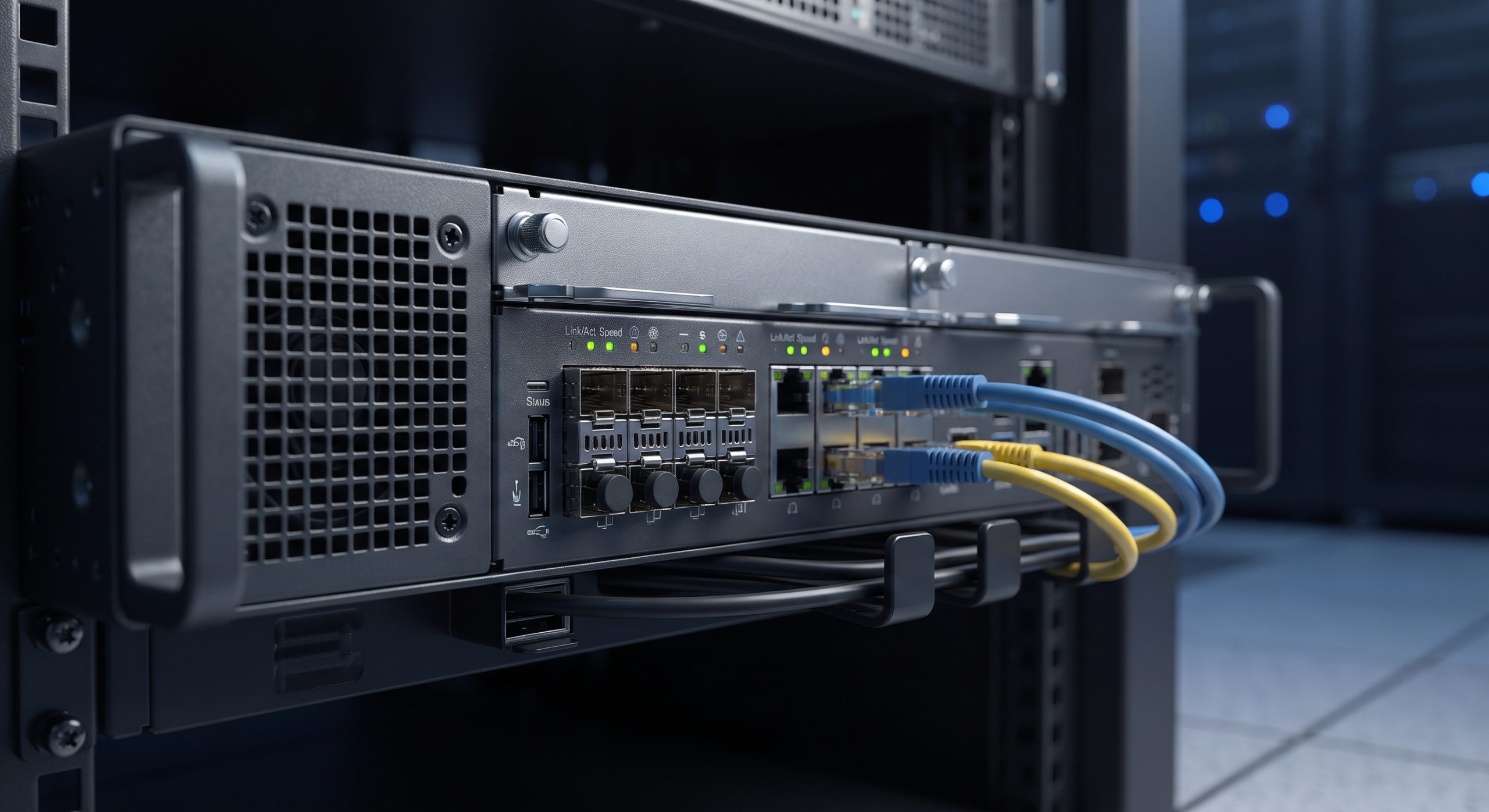
Deployment of the AR6000 Series within an SD-WAN fabric requires adherence to specific environmental and architectural prerequisites to ensure optimal algorithm performance. The platform is available in multiple chassis configurations, including the AR6121E and AR6140E-9G-2AC models, both featuring a 1RU form factor suitable for standard 19-inch rack mounting . Thermal design anticipates continuous operation within enterprise wiring closets and data center cabinets, with front-to-rear airflow paths that must remain unobstructed. Power provisioning should account for redundant AC or DC supplies where high availability is mandated. For WAN optimization features to function, the device must be operating under SD-WAN mode with a valid overlay tunnel established via EVPN or GRE, as the FEC and multi-fed algorithms operate exclusively within these encapsulation contexts . Interface planning should reserve dedicated WAN ports for each transport link—MPLS, Internet, or LTE—to enable the link-quality-aware steering that underpins the optimization logic.
LEGACY ECOSYSTEM INTERACTION
The AR6000 Series is designed for graceful integration with existing enterprise routing hierarchies. Its WAN optimization algorithms are transparent to legacy MPLS VPN domains and do not require modification to underlay routing protocols. When deployed alongside traditional branch routers that lack native SD-WAN capabilities, the AR6000 can terminate overlay tunnels on behalf of legacy sites, serving as a gateway that applies FEC and selective receiving before handing traffic to non-optimized segments. Interoperability testing confirms that the platform’s IPSec and GRE implementations conform to RFC standards, permitting tunnel establishment with third-party CPEs where algorithm support is unavailable on the remote end. In such mixed-vendor scenarios, the AR6000 automatically degrades to standard forwarding behavior without dropping sessions, ensuring that optimization features never become a barrier to connectivity.
KEY FEATURES
The WAN optimization capability set of the AR6000 Series is anchored by three primary algorithmic engines, each addressing a distinct failure mode of WAN transport. Adaptive Forward Error Correction (A-FEC) operates at the packet level, injecting redundant repair packets in response to detected loss patterns, enabling video and voice streams to survive packet loss rates approaching twenty percent without perceptible frame freezing or artifacts . The multi-fed selective receiving mechanism leverages link diversity by replicating critical application flows across multiple WAN paths simultaneously, with the receiving device reconstructing the original stream by selecting the earliest-arriving packet from any available link, thereby minimizing both latency and jitter . Intelligent traffic steering, driven by real-time link quality probes, continuously evaluates delay, jitter, and loss across all available transports, dynamically assigning application flows to the path that best satisfies their respective quality thresholds while maintaining aggregate bandwidth utilization at levels approaching ninety percent .
VERIFIED SPECS
Performance validation conducted by independent testing organizations confirms that the AR6000 Series sustains substantial throughput while executing the full WAN optimization stack. In a single-tunnel SD-WAN scenario incorporating EVPN, IPsec, and QoS, the AR6140-9G-2AC model achieved 1,025 Mbps of forwarding throughput under IMIX traffic conditions, rising to 2,000 Mbps for the higher-capacity AR6140-16G4XG variant . When enhanced with application identification, first-packet inspection, and WAN link quality monitoring—the complete optimization feature set—the AR6140-9G-2AC maintained 600 Mbps, demonstrating that the algorithmic processing does not introduce disproportionate performance degradation . IPsec encryption, a prerequisite for most SD-WAN deployments, operates at 2 Gbps for IMIX traffic and scales to 4 Gbps with 1400-byte packets on the AR6121E and AR6140E-9G-2AC models . These figures represent measured, repeatable performance rather than theoretical peak values, providing network architects with reliable data for capacity planning.
| Parameter | Specification |
|---|---|
| Forwarding Performance (NAT+ACL+QoS, IMIX) | 2 Gbps (AR6121E / AR6140E-9G-2AC) |
| IPsec Performance (IMIX) | 2 Gbps |
| IPsec Performance (1400 bytes) | 4 Gbps |
| SD-WAN IPsec Performance (IMIX) | 1.5 Gbps |
| SD-WAN IPsec Performance (1400 bytes) | 4.5 Gbps |
| SD-WAN Forwarding Performance (IMIX) | 1.2 Gbps |
| SD-WAN Enhanced Scenario Throughput (AR6140-9G-2AC) | 600 Mbps (with AppID + FPI + Monitoring) |
| A-FEC Packet Loss Tolerance | Up to 20% without perceptible video degradation |
| Multi-Fed Selective Receiving Modes | Minimal packet loss / Minimal delay / Minimal jitter |
| Bandwidth Utilization Efficiency | Up to 90% via intelligent traffic steering |
| Form Factor | 1RU rack-mountable |
| Power Supply | AC or DC, redundant options available |
ORDERING SKU GUIDE
Procurement of the AR6000 Series for WAN optimization deployments should specify both the hardware platform and the requisite software subscription tier. The base hardware includes the chassis, fixed interfaces, and power supplies as configured at order entry. SD-WAN functionality, including the A-FEC and multi-fed selective receiving algorithms, is enabled through the SD-WAN license tier; no separate WAN optimization license is required, as these features are bundled within the SD-WAN feature set . Customers requiring advanced application visibility and first-packet identification should select the Advanced SD-WAN subscription, which unlocks the full traffic steering policy engine. Spare interface cards, redundant power supplies, and fan trays should be ordered according to the intended service-level agreement, with hot-swappable components available for field replacement without service interruption.
📥 Download Technical Specification
Click the button below to view or download the full official PDF datasheet.

Leave a comment