
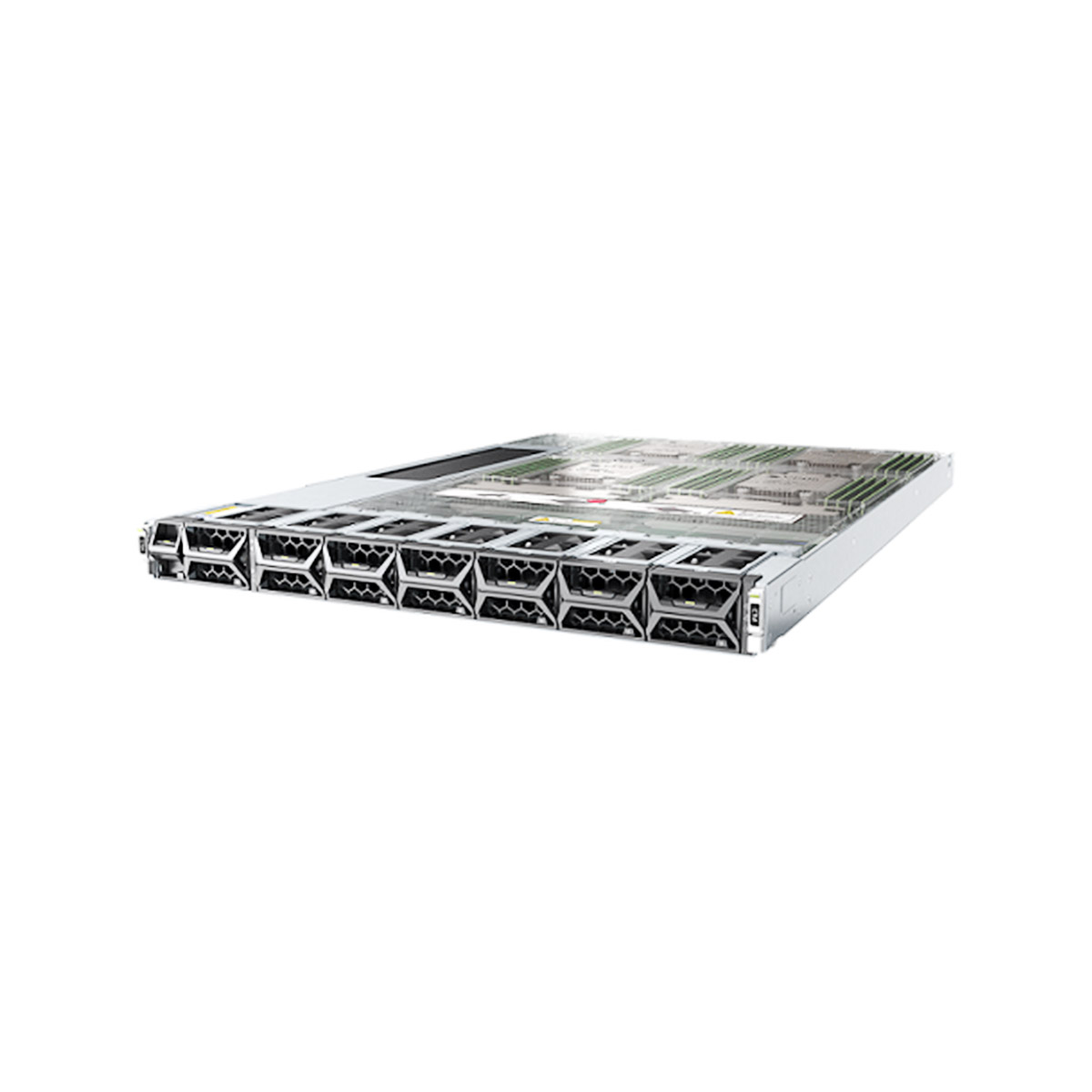
Network upgrades make you sweat, right? Choosing the wrong core switch means chasing bottlenecks later or forklifting the whole setup when demand spikes. That Aruba 2930F 48G PoE+ 4SFP+ switch often lands in the sweet spot, especially for spaces drowning in wireless gadgets, security cams, and phones needing juice. Its appeal? Packing serious wired muscle plus real power reserves into a single rack unit. Forty-eight Gigabit ports handle everyday traffic, while the integrated PoE+ budget doesn’t just tick boxes – it fuels entire floors. Add in the 4 SFP+ uplinks (10 Gig, remember), and suddenly your backbone stops choking. For mid-size operations or fast-growing shops, this isn’t just connectivity. It’s about breathing room. So, does the “Can Future-Proof PoE Power Your Growth?” tag hold weight? Absolutely – because this switch tackles three silent killers that derail scaling: power starvation, uplink bottlenecks, and upgrade panic.

Let’s cut the fluff. Network headaches boil down to two things: not enough ports dying slow deaths, or uplinks gasping under pressure. The Aruba 2930F’s 48 standard Gigabit ports give you dense connectivity for desktops, printers, access points, or VoIP phones right out the box. But the magic hides in the PoE+ allocation. That 740W total power budget? Pure gold if you’re drowning in wireless. It’s not about powering a single fancy AP; it’s about running clusters of 25+ enterprise-grade Wi-Fi 6/6E access points simultaneously, across multiple floors, without tripping breakers. No more “Sorry, conference room B is dead today – we ran out of PoE budget.” Forget chasing down external injectors or managing messy power cables for every camera and phone. Plug it in. It works. That reliability translates directly to fewer outages and less frantic IT firefighting.
Then there’s speed. Forty-eight clients generate chatter. Without robust uplinks, you build a high-speed access layer that funnels into a garden hose. Those 4 SFP+ ports are the critical pressure valves. Use one pair for 10Gbps trunking back to your core/distribution layer – instant congestion relief. Keep another pair free? Good call. Future-proofing means headroom. When IP cameras jump to 4K/8K streams, or that new collaboration suite demands fatter pipes, simply pop in the right transceiver. No hardware swap needed. Layer 3 Lite features mean you can handle VLAN routing locally too, offloading core switches – ideal for segmenting traffic or securing guest networks efficiently. Need rock-solid uptime? Dual power supply support slides right in. Power redundancy shouldn’t be a luxury reserved for massive cores; critical edge switches deserve it too. Stacking up to 8 units via backplane cables? That’s scaling made predictable. Grow ports incrementally without re-architecting your whole fabric.
PoE+ isn’t just about convenience; it’s a strategic play. Every device powered centrally means cleaner racks, fewer points of failure (wall warts die!), and centralized management. Troubleshooting? One pane of glass: Aruba Central. See exactly what device is drawing what, remotely reboot an unresponsive IP phone, or identify abnormal power drains. Modern PoE+ switches like this 2930F are also smarter about allocating juice. They negotiate power needs per port, efficiently distributing the available budget instead of blowing caps on the first hungry device plugged in. This efficiency protects your investment – connect a mix of low-power sensors and power-hungry PTZ cameras without sweating the math. For deployments like schools, retail hubs, or healthcare clinics where device sprawl is constant, this operational simplicity is transformative. Staff deploy gear faster. IT sleeps better.
So, circling back: Can the Aruba 2930F 48G PoE+ 4SFP+ switch genuinely anchor your growth stack? Does its PoE+ muscle truly enable seamless scaling? The proof lies in eliminating common scaling pain points. That massive PoE+ budget prevents mid-lifecycle panic as you add devices. Those 4 SFP+ ports guarantee your backbone won’t max out next quarter. Features like stacking and dual PSU support offer growth paths and resilience normally found in pricier tiers. This isn’t just about running today’s APs and phones. It’s about confidently plugging in next-gen gear without redoing the wiring closet. For teams demanding reliability today while prepping for unpredictable demands tomorrow, the 2930F delivers a pragmatic, powerful foundation that avoids premature obsolescence. Growth rarely follows a neat script; your network switch shouldn’t force it to.






Leave a comment