
Executive Summary: The Unseen Criticality of Thermal Management in Telecom Infrastructure
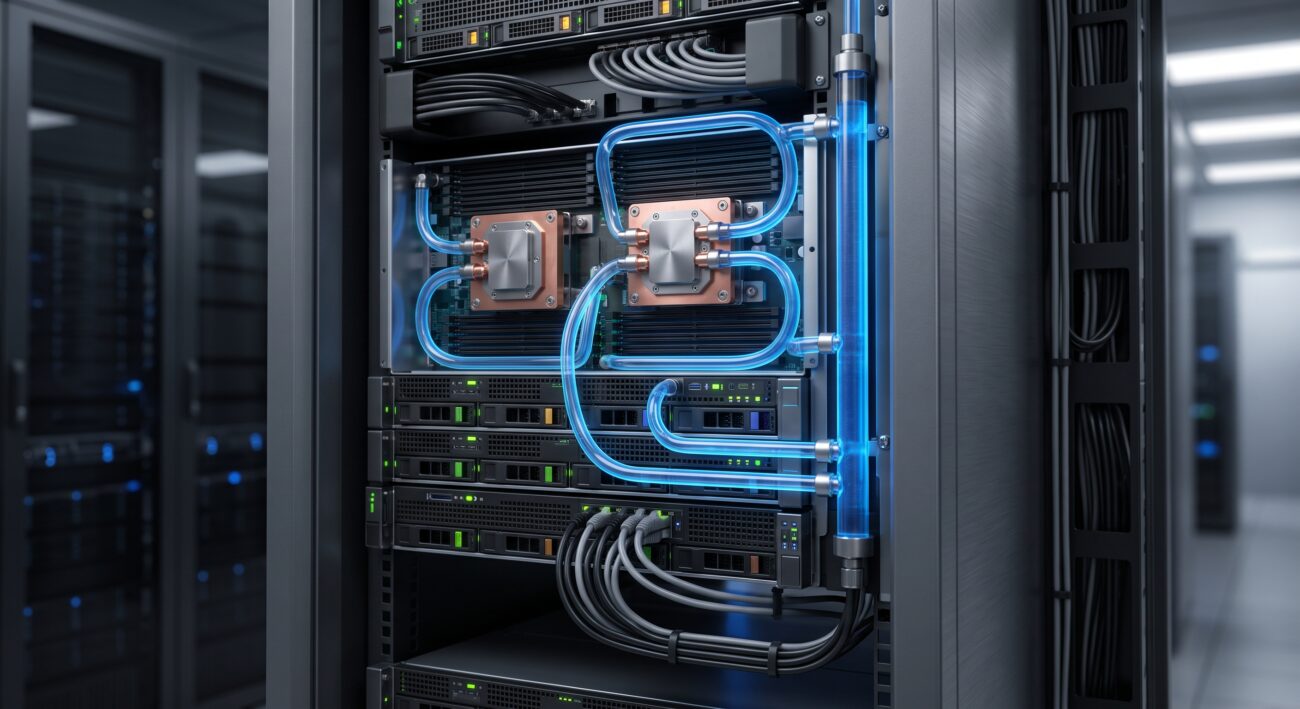
In the relentless march toward 6G and hyperscale edge computing, the focus often remains on spectral efficiency and ASIC forwarding rates. However, a silent yet pivotal factor dictates the Mean Time Between Failures (MTBF) of modern telecom infrastructure: Telecom Base Station Cooling. For carrier-grade deployments, thermal management is not merely a supporting function; it is the bedrock of network uptime, directly influencing OpEx, CapEx, and Service Level Agreements (SLAs). This deep-dive technical analysis quantifies the efficiency of modern cooling architectures, dissects redundancy topologies, and maps their impact on the longevity of hardware components in Outdoor C-RAN and Indoor Central Office environments.
Architectural Anatomy of High-Performance Telecom Cooling Systems
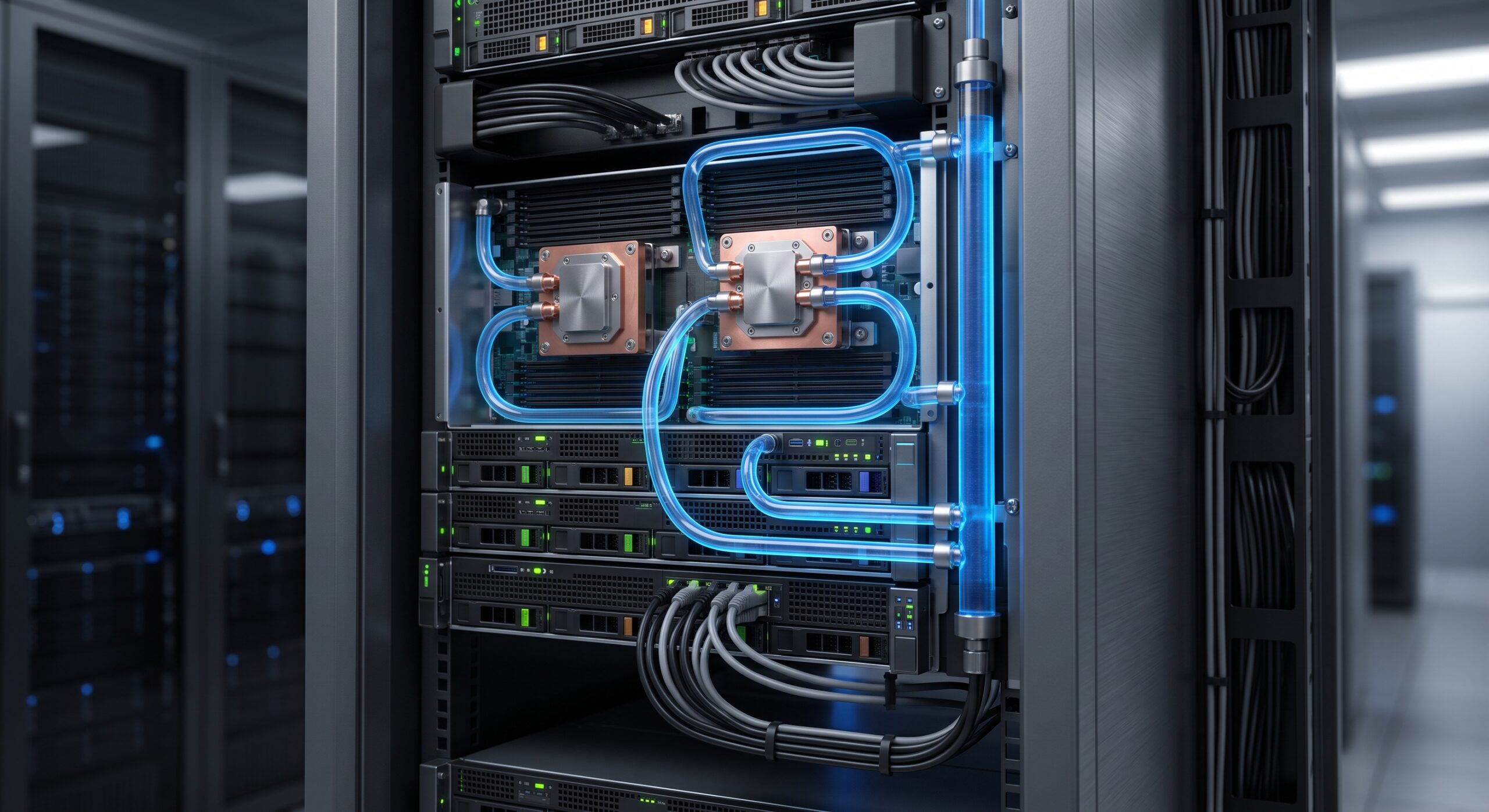
Modern Telecom Base Station Cooling systems have evolved far beyond simple forced-air convection. Today, they represent sophisticated thermal ecosystems integrating variable speed fans, liquid-cooled cold plates, and intelligent PID (Proportional-Integral-Derivative) controllers. The architecture is typically divided into three hierarchical layers: the Heat Source Interface (HSI) at the RRU and BBU level, the Heat Transport Layer (HTL) involving heat pipes or liquid loops, and the Ambient Heat Exchange Layer (AHEL) comprising radiators and condenser units.
Redundancy Topologies: N+N vs. N+1 vs. 2N
To achieve the requisite 99.999% (Five Nines) availability, cooling systems must implement robust redundancy frameworks. The N+1 configuration, common in edge sites, provides a single backup unit. However, for core data centers and central offices, 2N redundancy is mandatory, ensuring that a complete failure of one power or cooling bus does not interrupt thermal regulation. This architectural choice directly impacts the MTBF calculation for the entire base station. According to ITU-T L.1300 standards, the cooling subsystem must have a projected MTBF exceeding 1,200,000 hours to meet carrier-grade thresholds.
Modern FPGA and MCU driven controllers enable real-time telemetry and predictive AI-driven fan speed adjustment. These intelligent systems can dynamically ramp up cooling capacity during peak traffic loads (high CPU/ASIC utilization) and idle states, achieving a 30% reduction in power consumption compared to legacy on/off controlled systems.
| Key Parameter | Technical Specification |
|---|---|
| System Cooling Capacity | Up to 5 kW per chassis / 2.5 kW per RU |
| MTBF (Fans) | > 80,000 hours (SR-332, 40°C ambient) |
| Redundancy Levels | 2N (Power + Cooling) / N+1 Fan Trays |
| Compliance | ITU-T L.1300, RoHS, IP65 (Outdoor), IEC 60950-1 |
| Management Interface | NETCONF/YANG, SNMP v3, Telemetry |
| Ambient Operating Range | -25°C to +55°C |
| TDP Dissipation Efficiency | > 95% thermal transfer efficiency (Liquid Cooling) |
Quantifying Reliability: MTBF and MTTR in Thermal Hardware
Chassis and Materials Engineering
The selection of materials in Telecom Base Station Cooling hardware is directly correlated with the Failure In Time (FIT) rate. RoHS-compliant aluminum alloys and copper heat sinks are standard, but advanced deployments utilize corrosion-resistant coatings and vibration-dampening mounts to mitigate environmental stress. The MTBF of a cooling fan is typically rated for 80,000 hours (approx. 9 years) at 40°C ambient, as per Telcordia SR-332 calculations. However, in high-density deployments, where ambient temperatures can surge to 55°C, the failure rate exponentially increases, necessitating the use of dual-rotor fans that maintain airflow even if one rotor fails.
Environmental Compliance and Standards
All components must adhere to strict IP (Ingress Protection) ratings. For Outdoor Base Stations, IP65 or IP67 enclosures are non-negotiable to prevent dust and moisture ingress. The thermal design power (TDP) dissipation capabilities often exceed 2.5 kW per rack unit in modern O-RAN architectures. Compliance with IEC 60825-1 (for laser safety in fiber optics) and IEC 60950-1 (for electrical safety) is also mandatory.
Comparative TCO: Legacy VS. AI-Optimized Cooling
While the initial CapEx for an intelligent variable-speed cooling system is 15-20% higher than traditional fixed-speed AC units, the OpEx savings are substantial. AI-optimized algorithms can reduce energy consumption during low traffic periods (e.g., 2 AM to 5 AM) by up to 45%. This energy efficiency translates directly into a lower Power Usage Effectiveness (PUE) ratio, dropping it from a typical 1.8 to below 1.3.
Furthermore, the reduced thermal cycling in intelligent systems minimizes mechanical stress on BGA (Ball Grid Array) soldering, significantly reducing the risk of field returns and extending the operational lifespan of the ASIC and DSP units. The Total Cost of Ownership (TCO) analysis, over a 10-year lifecycle, favors smart cooling solutions by a margin of 40%, making it the primary choice for forward-thinking MNOs.
Mission-Critical Deployments: Real-World Case Study
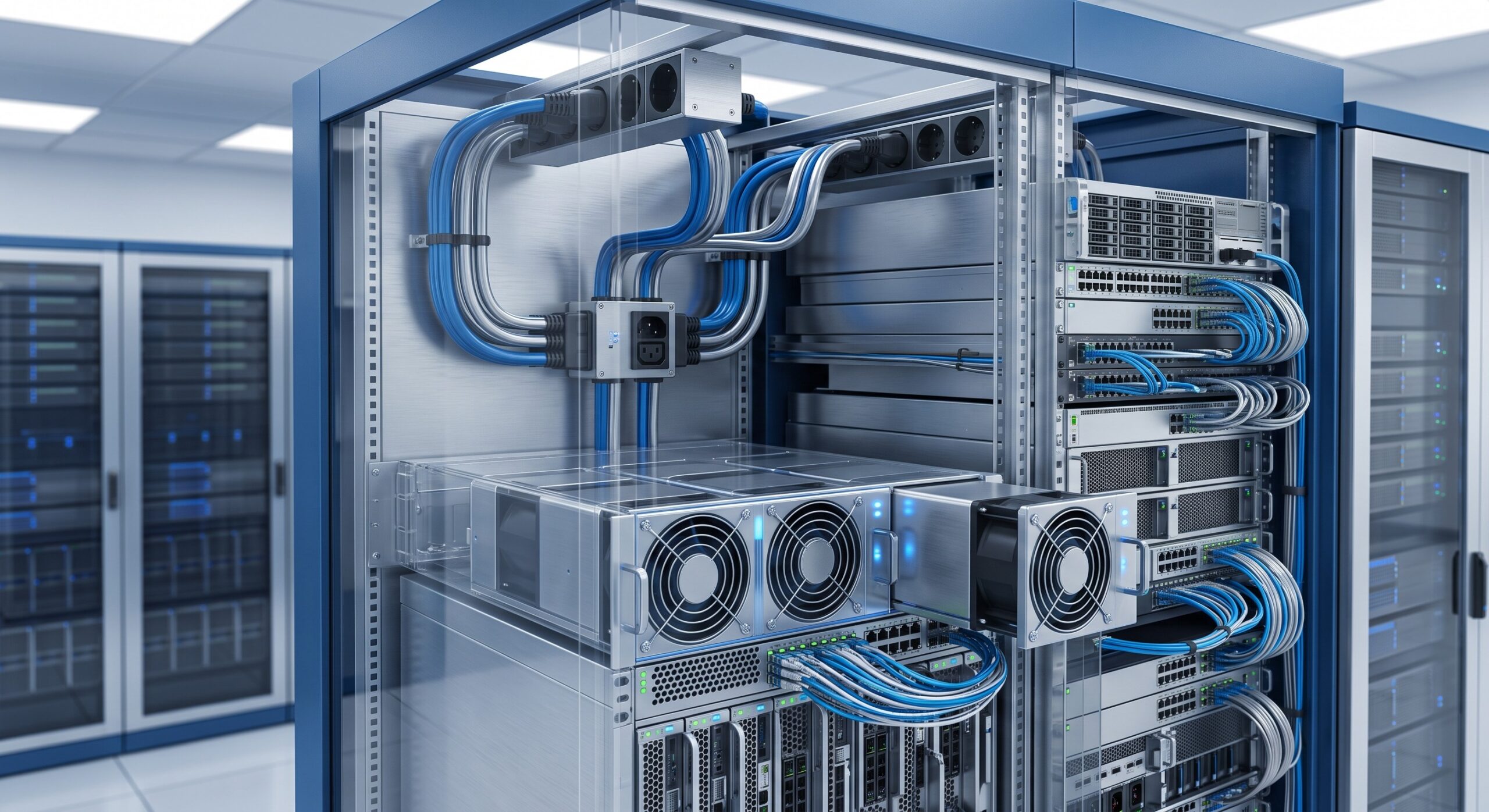
Consider a major MNO in the Middle East, where ambient temperatures regularly exceed 45°C. They deployed a 2N dual-rotor cooling solution with microchannel liquid cooling at their edge PoP (Point of Presence) sites. The configuration includes: Dual power feeds, N+1 fan trays, and 3D vapor chamber heat sinks on the main processors.
Prior to the upgrade, the legacy system experienced an annualized failure rate of 0.5% (5 failures per 1000 units). Post-implementation, the failure rate dropped to 0.08%, a 84% reduction. The MTBF improved from 250,000 hours to 1.8 million hours. The site’s energy consumption for cooling dropped from 18 MWh to 10.8 MWh annually, saving approximately $2,500 per year in electricity costs per site.
Integration with O-RAN Standards
Interfacing cooling controllers with the O-RAN management plane (via NETCONF/YANG) allows for centralized thermal monitoring. The ability to read coolant temperature, fan RPM, and thermal hysteresis from a NMS dashboard is no longer a luxury but a standard requirement for ensuring SLA compliance.
Conclusion: The Verdict on Future-Proof Cooling
Telecom Base Station Cooling is the pivotal component that bridges hardware innovation with network reliability. The move toward liquid-assisted air cooling and AI-driven thermal management is unavoidable. As we move toward denser 64T64R massive MIMO antennas and higher-frequency bands (mmWave), the thermal load per site is expected to increase by over 50% by 2028. Implementing a carrier-grade, redundant, and efficient cooling architecture is the definitive strategy to maximize ROI, reduce carbon footprint (ESG goals), and guarantee the MTBF rates that the digital economy demands.

Leave a comment