
In today’s hyper-connected world, businesses and individuals alike demand networks that are fast, reliable, and intelligent. Enter Huawei’s Smart Switch—a cutting-edge solution designed to streamline data flow, reduce latency, and adapt to dynamic connectivity needs. Whether you’re managing a sprawling enterprise infrastructure or optimizing a small office setup, this technology isn’t just an upgrade; it’s a game-changer. But what makes it stand out in a crowded market? And how does it address the pressing challenges of modern networking, from scalability to security? Let’s unpack why Huawei’s Smart Switch isn’t merely a tool but a strategic asset for anyone serious about future-proofing their digital operations.
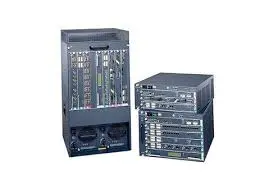
What Makes Huawei’s Smart Switch a Must-Have?
The answer lies in its adaptive architecture. Traditional switches operate on fixed rules, often struggling to handle sudden traffic spikes or complex configurations. Huawei’s Smart Switch, however, leverages AI-driven algorithms to analyze network patterns in real time. For example, during peak hours, it automatically prioritizes critical tasks like video conferencing or cloud backups while deprioritizing non-urgent data transfers. This ensures seamless performance without manual intervention.
Another standout feature is its multi-layer security framework. Unlike basic switches that rely on firewalls alone, Huawei’s solution embeds threat detection at the hardware level. It scans for anomalies—like unauthorized access attempts or suspicious data packets—and isolates threats before they escalate. For industries handling sensitive data (healthcare, finance, etc.), this isn’t just convenient; it’s non-negotiable.
How Does It Boost Network Efficiency?
Efficiency isn’t just about speed; it’s about smart resource allocation. The Smart Switch uses intelligent load balancing to distribute traffic across pathways based on current demand. Imagine a logistics warehouse where IoT devices constantly transmit inventory updates. If one pathway gets congested, the switch reroutes data through underutilized channels, preventing bottlenecks.
Moreover, its energy-saving mode reduces power consumption by up to 30% during low-activity periods. For global enterprises operating round-the-clock, this translates to significant cost savings. The switch also supports hybrid cloud environments, enabling seamless integration with platforms like AWS or Azure. This flexibility eliminates compatibility headaches and simplifies scaling.
Practical Applications: Where Does It Shine?
- Remote Workforces: Ensure stable VPN connections and prioritize collaboration tools like Zoom or Teams.
- Smart Factories: Manage real-time communication between machinery and control systems without downtime.
- Retail Networks: Sync POS systems, inventory trackers, and customer analytics across multiple branches.
In each scenario, the Smart Switch acts as the silent orchestrator—keeping operations smooth, secure, and scalable.
Why Huawei’s Smart Switch Isn’t Just Another Gadget
Investing in Huawei’s Smart Switch isn’t about keeping up with trends; it’s about staying ahead of them. Its blend of automation, security, and adaptability addresses the core pain points of modern networking while slashing operational costs. Whether you’re battling latency issues, cyber threats, or scalability limits, this device delivers measurable results from day one.

Leave a comment