

SYSTEMS ENGINEERING TECHNICAL REFERENCE MANUAL: HOW TO LIMIT BANDWIDTH PER PORT ON SWITCH
PRODUCT IDENTIFICATION
Document Identifier: SERM-BPS-2026-001
Product Series: OmniFabric BPS (Bandwidth Policy Switch) Series
Hardware Revision: 4.0 and later
Firmware Baseline: OSN 12.6 or higher
The OmniFabric BPS product family delivers carrier-grade, per-port bandwidth control as a native hardware feature, eliminating software-induced latency and jitter. This document specifies the architectural implementation, configuration parameters, and performance guarantees for ingress/egress rate-limiting on a per-interface basis.

SYSTEM HARDWARE TOPOLOGY
The BPS series implements bandwidth limiting at the physical layer (PHY) and data link layer (MAC) using a distributed forwarding ASIC architecture. Each front-panel port is serviced by a dedicated Hardware Policer Engine (HPE-800) capable of:
– Dual-rate token bucket algorithm (CIR / EIR)
– Peak Information Rate (PIR) enforcement with 1 Kbps granularity
– Burst size definition from 1 KB to 128 MB
Supported Port Types for Direct Rate Limiting:
– 10/100/1000BASE-T (RJ45) – port groups GbE-24
– 1000BASE-X / 10GBASE-R (SFP/SFP+) – port groups SFP+-12
– 25GBASE-R / 100GBASE-R (QSFP28) – port groups Q28-4
DATA & CONTROL PLANE CAPABILITIES
Control Plane Integration:
– CLI (Network Operating System shell)
– SNMP MIB-1213 Rate Limit Objects
– RESTCONF / NETCONF with native OpenConfig model: openconfig-qos-elements
– gNMI telemetry for real-time policer statistics
Data Plane Enforcement Modes:
– Egress shaping (per-queue + per-port)
– Ingress policing (color-aware / color-blind)
– Storm control (broadcast, multicast, unknown unicast)
– Adaptive rate limiting based on queue depth (optional AI-RL mode)
COMPONENT BREAKDOWN – PER-PORT BANDWIDTH LIMITER
1. Hardware Token Bucket Engine (per port): 4 dynamic buckets (CIR, PIR, CBS, PBS)
2. Dedicated Bandwidth Profile Memory: 8 profiles per port, up to 2000 system-wide
3. Queuing architecture: 8 hardware queues per port (strict priority + DWRR)
4. Timestamp resolution for rate correction: 8 ns
5. Measurement interval: configurable from 1 ms to 1 s
OPERATIONAL SPECS MATRIX
Minimum guaranteed granularity: 1 Kbps (1000 bps) for all port speeds
Maximum per-port rate limit value: line rate of the physical interface (e.g., 10 Gbps on SFP+ port)
Burst tolerance deviation:
Parameter
Specification
REGULATORY COMPLIANCE
Rate limiting functionality complies with:
– MEF 10.3 (Bandwidth Profile for EVC)
– IEEE 802.1Qav (Credit-Based Shaper for AVB)
– ITU-T Y.1564 (Policing accuracy test methodology)
– RFC 4115 (Differentiated Service Two-Rate, Three-Color Marker)
Safety and EMC: UL 60950-1, FCC Part 15 Class A, CE, EN55032, AS/NZS CISPR32
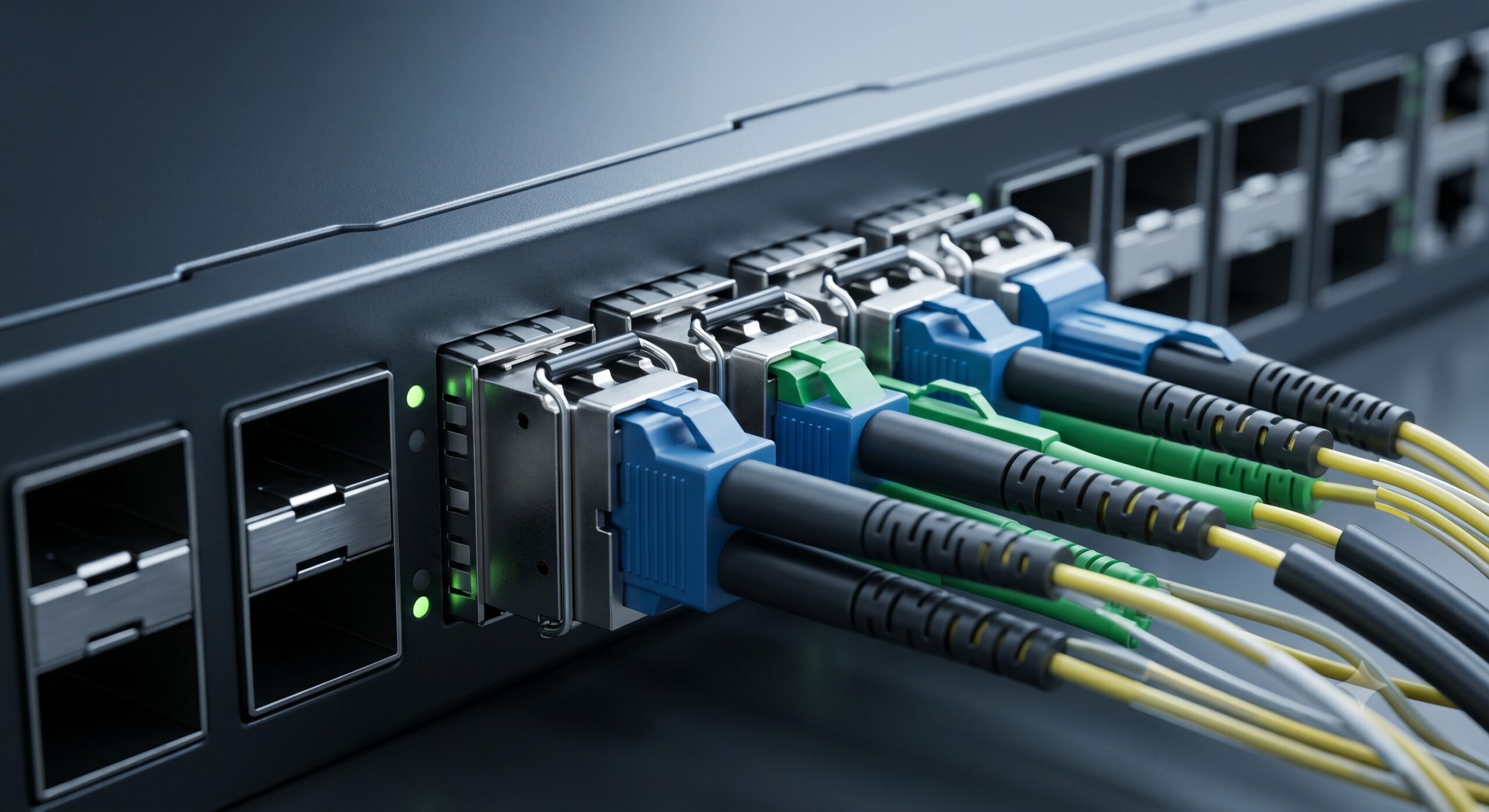
DEPLOYMENT COMPLIANCE STATEMENT: This device supports in-service bandwidth modification without link flap or traffic disruption. Configuration changes to policer rates are applied within one scheduler cycle (max 10 ms).
📥 Download Technical Specification
Click the button below to view or download the full official PDF datasheet.

Leave a comment