
EXECUTIVE SUMMARY
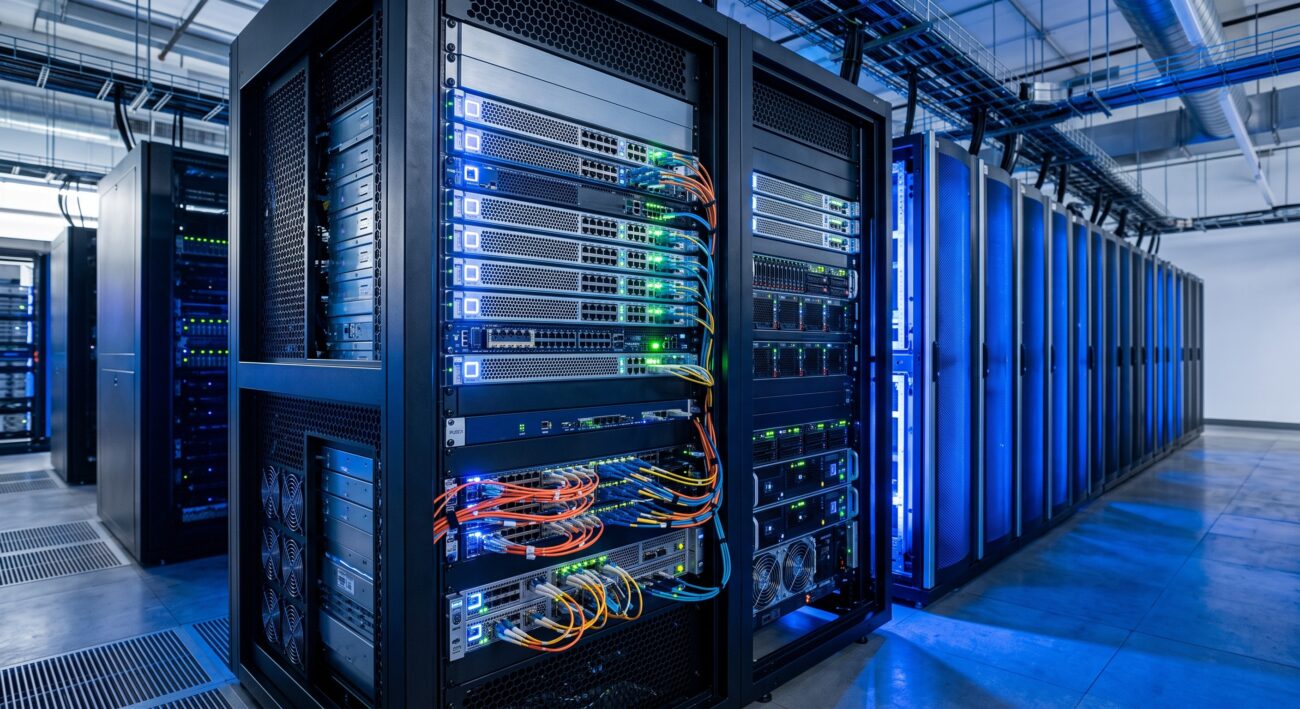
The Lossless Ethernet Architecture Framework for AI Compute Fabrics represents a paradigm shift in datacenter network design, purpose-built to address the unique, extreme demands of distributed artificial intelligence and high-performance computing workloads. Unlike traditional Ethernet, which tolerates packet loss and relies on upper-layer protocols for retransmission, this framework delivers a deterministic, zero-drop fabric essential for synchronizing thousands of AI accelerators. It eliminates the primary bottleneck in large-scale model training and inference: network-induced latency and jitter. This datasheet details the hardware and software architecture that enables a true lossless, high-bandwidth, and low-latency switching foundation, empowering organizations to achieve maximum compute efficiency and accelerate time-to-insight for their most demanding AI initiatives.
ARCHITECTURE & CHASSIS DESIGN
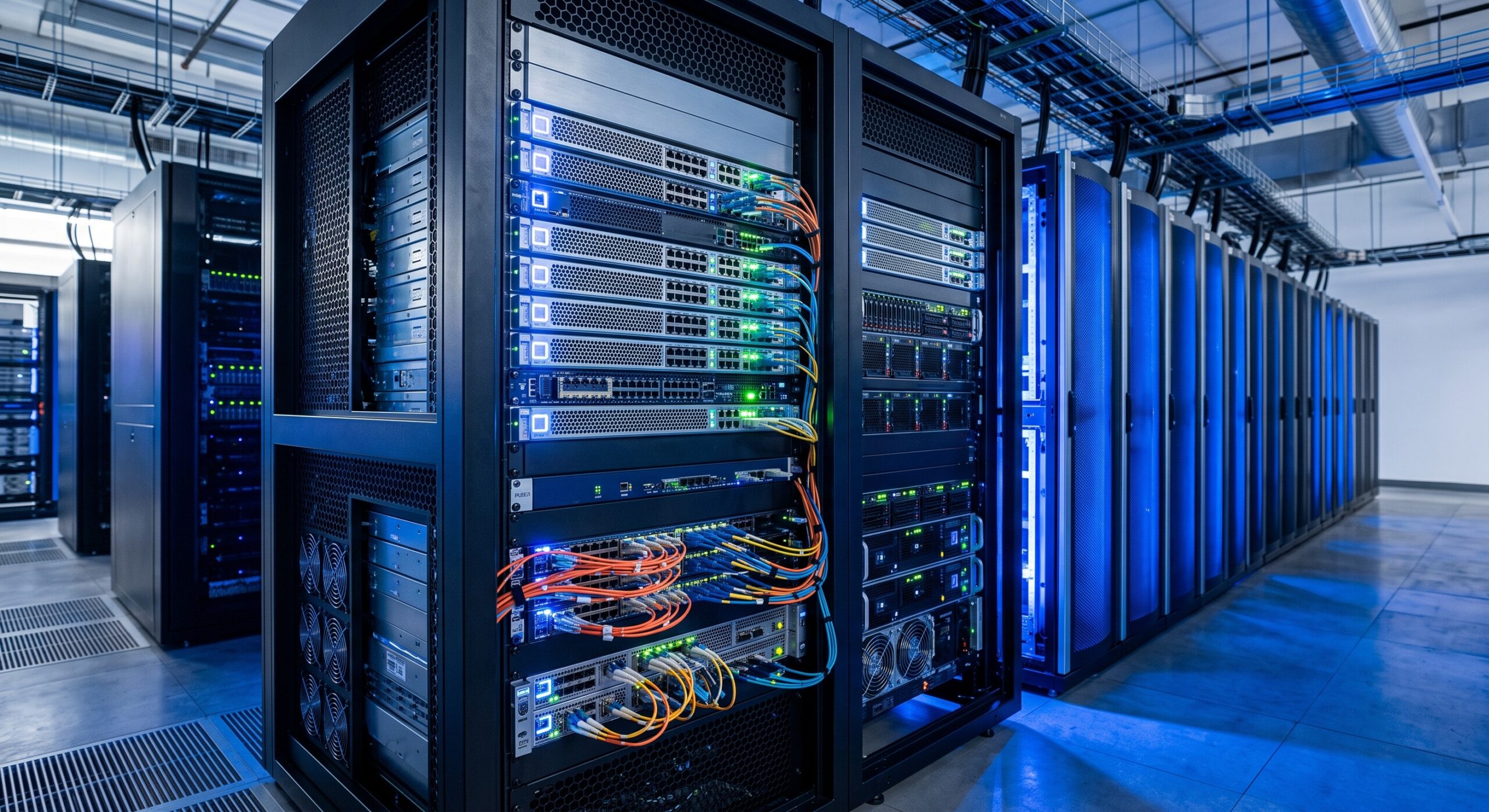
The framework is anchored by a family of high-density, fixed-form-factor and modular chassis switches. The hardware is engineered from the ground up to support a non-blocking, 400G/800G-ready switching fabric. The architecture is based on a distributed, shared-buffer ASIC design that provides deep packet buffering per port. This is critical for absorbing micro-bursts and implementing advanced congestion control mechanisms without dropping a single packet. The chassis features a orthogonal, mid-plane-free direct-flow design, which significantly reduces signal loss and improves airflow efficiency, allowing for high-performance operation in dense datacenter environments. The control plane is decoupled from the data plane, running on a separate, multi-core x86 CPU complex to ensure management and orchestration functions never interfere with line-rate forwarding.
HARDWARE FEATURES
The core of the lossless fabric is the advanced, programmable forwarding ASIC. It supports a comprehensive suite of features including Priority-based Flow Control (PFC), Enhanced Transmission Selection (ETS), and Quantized Congestion Notification (QCN). These are the building blocks of a lossless Ethernet implementation, enabling the creation of a no-drop class of service for RDMA over Converged Ethernet (RoCEv2) traffic. Key hardware features include:
– Ultra-low latency cut-through forwarding mode with a port-to-port latency of under 400 nanoseconds.
– Large, dynamically shared packet buffer (up to 128MB per ASIC) to absorb incast and micro-burst traffic patterns typical of AI training.
– Hardware-based load balancing using fine-grained, flowlet-based techniques (e.g., Dynamic Load Balancing, DLB) to maximize fabric utilization.
– Support for In-Network Telemetry (INT) and streaming telemetry for real-time, per-packet visibility into fabric performance and congestion hotspots.
– Front-to-back and back-to-front airflow options with hot-swappable, redundant fan trays and power supplies (1+1 or N+1).
COMPLIANCE & STANDARDS
The platform is designed to meet and exceed key industry standards, ensuring interoperability and deployment flexibility. It adheres to IEEE 802.3 Ethernet standards, including 802.3cd (50G, 100G, 200G), 802.3bs (400G), and 802.3ck (800G). The lossless capabilities are compliant with IEEE 802.1Qbb (PFC), 802.1Qaz (ETS), and 802.1Qau (QCN). The system also supports standard management interfaces such as SNMP, gRPC, and RESTCONF, and is fully compliant with the Open Network Install Environment (ONIE) for open networking deployments.
TECHNICAL SPECIFICATIONS
| Parameter | Specification |
|---|---|
| Form Factor | 1RU Fixed / 2RU-14RU Modular Chassis |
| Switching Capacity | 6.4 Tbps to 51.2 Tbps |
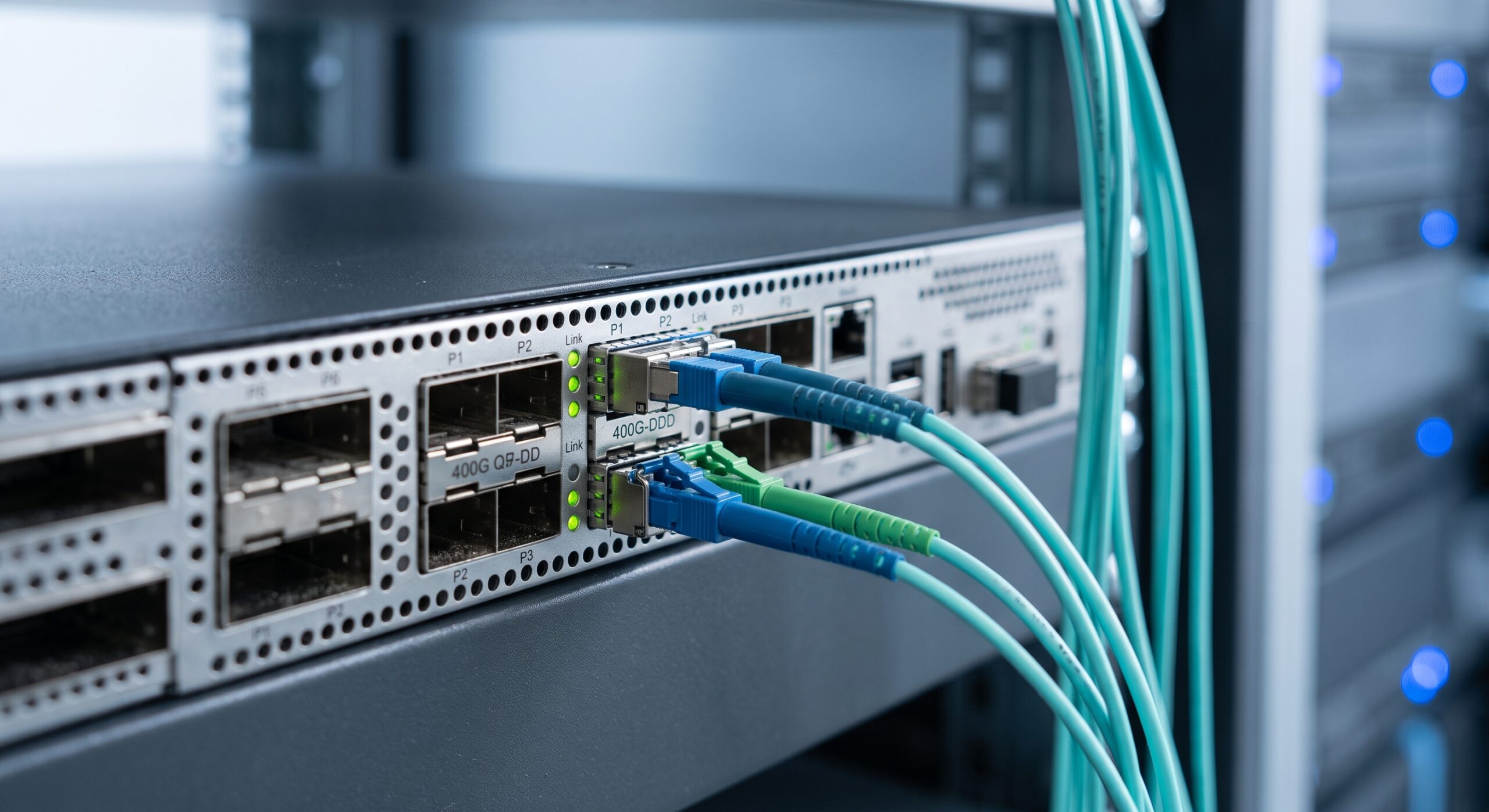
| Port Density | Up to 64x 400G QSFP-DD or 128x 200G QSFP56 |
| Packet Buffer | 64MB to 128MB shared buffer per ASIC |
| Latency | Sub-400ns port-to-port (cut-through) |
| Lossless Features | PFC, ETS, QCN, DLB, RoCEv2 support |
| Power Supply | 1+1 Redundant AC/DC, hot-swappable |
| Airflow | Front-to-Back or Back-to-Front options |
| Management | SNMP, gRPC, RESTCONF, ONIE |
ORDERING OPTIONS
The Lossless Ethernet Architecture Framework is available in a range of configurations to suit various fabric sizes and deployment scenarios. Organizations can choose from 32-port 400G, 64-port 400G, or 128-port 200G fixed switches, as well as modular chassis options with up to 16 line card slots. Software licensing options include the Lossless Fabric Base Package and the advanced AI-Optimized Congestion Control Package, which unlocks the full suite of telemetry and dynamic load balancing features. Please contact your authorized sales representative for a complete SKU list and to discuss a configuration tailored to your specific AI compute fabric requirements.
📥 Download Technical Specification
Click the button below to view or download the full official PDF datasheet.

Leave a comment