
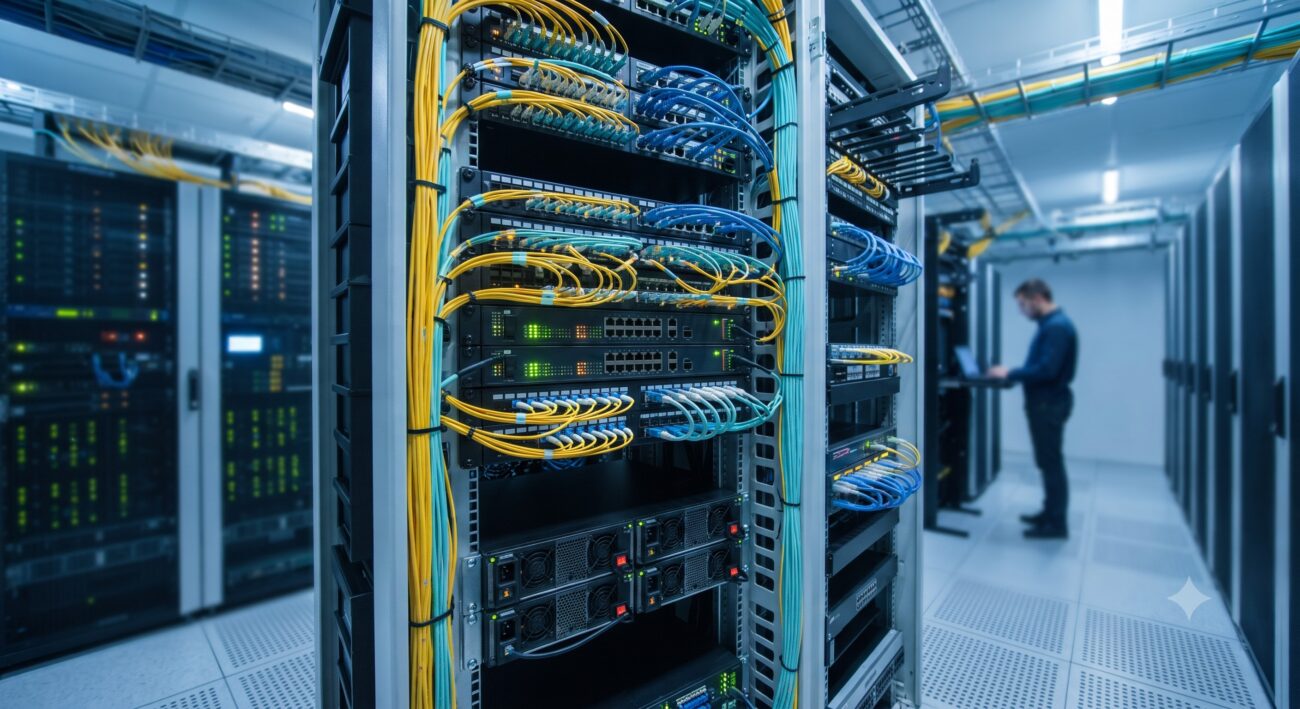
Industrial Network Infrastructure: Beyond Commercial-Grade Switching
The Fourth Industrial Revolution (Industry 4.0) and the expansion of critical infrastructure have placed immense demands on network infrastructure. Unlike standard enterprise networks operating in climate-controlled data centers, modern industrial environments—from automated factory floors and intelligent transportation systems to offshore oil rigs—require robust, resilient, and highly deterministic connectivity . For senior network architects and systems integrators, understanding the nuanced application of Industrial Ethernet Switches is not merely a technical requirement but a strategic imperative for ensuring operational continuity and ROI. This guide delves into the architectural nuances, key specifications, and deployment strategies that define modern industrial switching ecosystems.
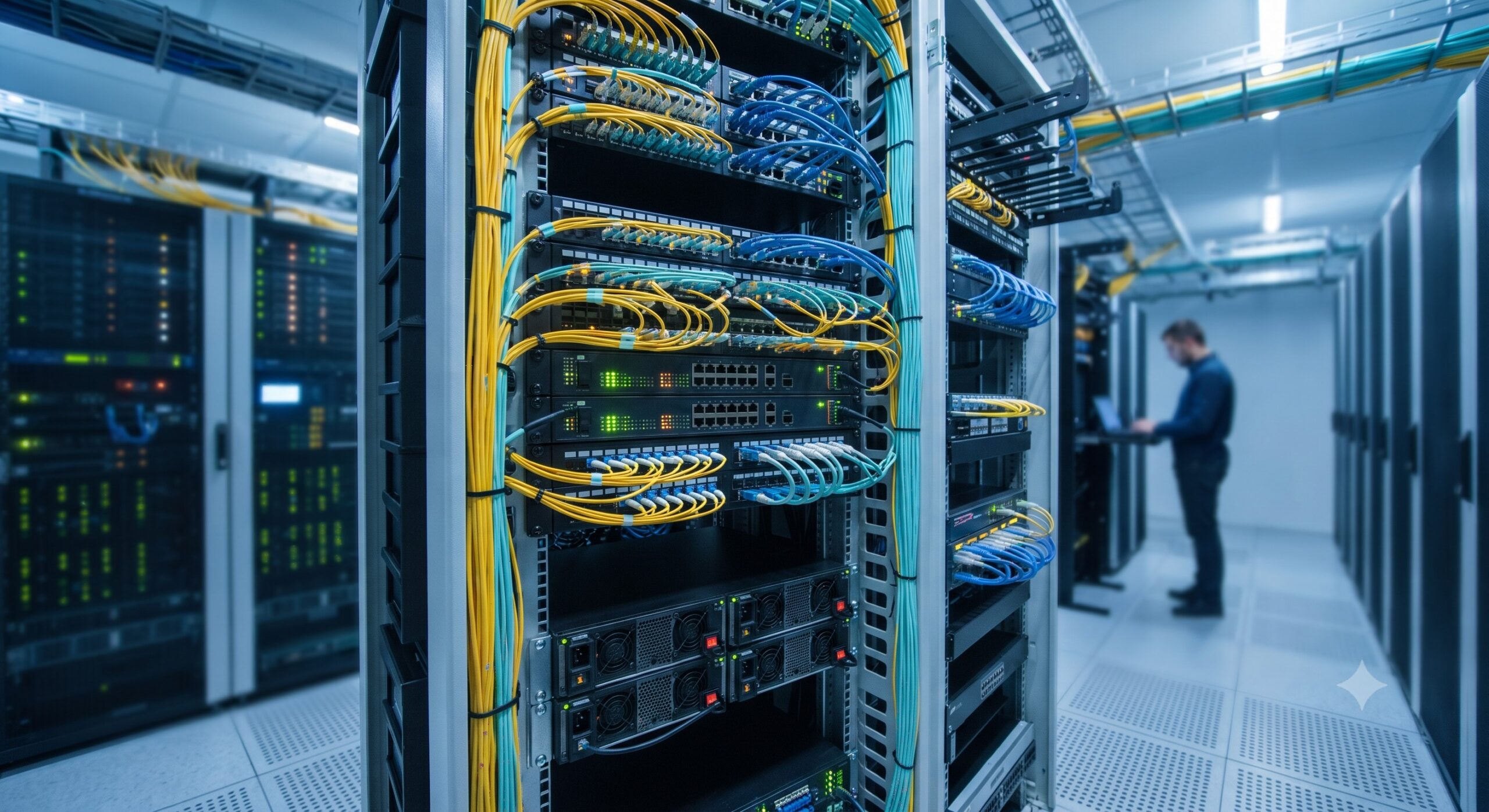
Core Architecture: Ruggedization and Protocol Support
The fundamental differentiator between commercial and industrial switches lies in their physical and operational hardening. Industrial Ethernet Switches are engineered to operate reliably across extreme temperature ranges, often from -40°C to +75°C, far exceeding the 0-40°C range of commercial counterparts . This ensures network integrity in environments subject to high vibration, dust, and moisture, as evidenced by IP30 to IP67 ingress protection ratings and compliance with standards like the IEC 61850 for power substations or EN 50155 for railway rolling stock .
Hardware Topology and Power Resilience
A critical architectural element is the power supply. Industrial units typically feature dual redundant DC power inputs, often supporting a wide voltage range (e.g., 18-57VDC) to mitigate the risk of power outages . This redundancy, coupled with fanless designs that eliminate moving parts, significantly enhances Mean Time Between Failures (MTBF) and operational longevity. The adoption of specialized connectors, such as M12 or military-grade MIL-STD connectors, ensures cable retention against shock and vibration, preserving link integrity in dynamic environments .
Network Protocol Standards
At the data plane level, adherence to industrial protocols is paramount. Switches must support IEEE 802.1Q for VLAN segmentation, IEEE 802.3ad for link aggregation, and advanced redundancy protocols like the ITU-T G.8032 Ethernet Ring Protection Switching (ERPS) or Media Redundancy Protocol (MRP), facilitating sub-50ms network recovery times critical for minimizing downtime . Furthermore, for automation, native support for PROFINET RT, EtherNet/IP, and Modbus/TCP ensures seamless interoperability with Programmable Logic Controllers (PLCs) and Supervisory Control and Data Acquisition (SCADA) systems .
| Key Parameter | Technical Specification |
|---|---|
| Operating Temperature | -40°C to +75°C (Extended Range) |
| Switching Capacity | Up to 40 Gbps (Non-Blocking) |
| Latency (1Gbps) | 2.44 µs (Store-and-Forward) |
| Power over Ethernet | IEEE 802.3bt (PoE++) up to 90W per port |
| Redundancy Protocol | ITU-T G.8032 ERPS / MRP ( |
Performance Metrics: Latency, Switching Capacity, and PoE+
Enterprise-grade performance metrics are increasingly standard in industrial switches. High-speed backplanes deliver non-blocking switching capacity, with modern units often featuring 24Gbps to 40Gbps of capacity, ensuring wire-speed data forwarding across all ports .
Data-Driven Performance Analysis
End-to-end latency is a key metric. Advanced Layer 3 industrial switches demonstrate extremely low, deterministic latency, with measured values at 1Gbps port speeds often below 3 microseconds (µs) . This ultra-low latency is essential for high-speed control loops and precision time-sensitive networking (TSN) applications. The integration of Power over Ethernet (PoE) is another transformative feature. Switches can now deliver up to 90W per port (IEEE 802.3bt PoE++), simultaneously providing data and power to high-consumption devices such as pan-tilt-zoom (PTZ) cameras and advanced wireless access points, simplifying deployment logistics and reducing installation costs .
Managed vs. Unmanaged: Strategic Selection for the Edge
The choice between managed and unmanaged switches is determined by the complexity and criticality of the network segment.
- Unmanaged Switches: Ideal for simple, plug-and-play connectivity in isolated, non-critical zones. They require no configuration and offer a lower CapEx entry point. However, they lack troubleshooting capabilities and Quality of Service (QoS), making them unsuitable for congested or critical infrastructure .
- Managed Switches: Essential for network visibility, security, and optimization. They provide granular control via remote management protocols (SNMP, SSH), allow for traffic prioritization (QoS) to ensure critical data delivery, and support robust security features including MAC-layer filtering, 802.1X port security, and RADIUS/TACACS+ authentication . For large-scale operations, the total cost of ownership (TCO) favors managed switches due to reduced downtime and simplified troubleshooting.
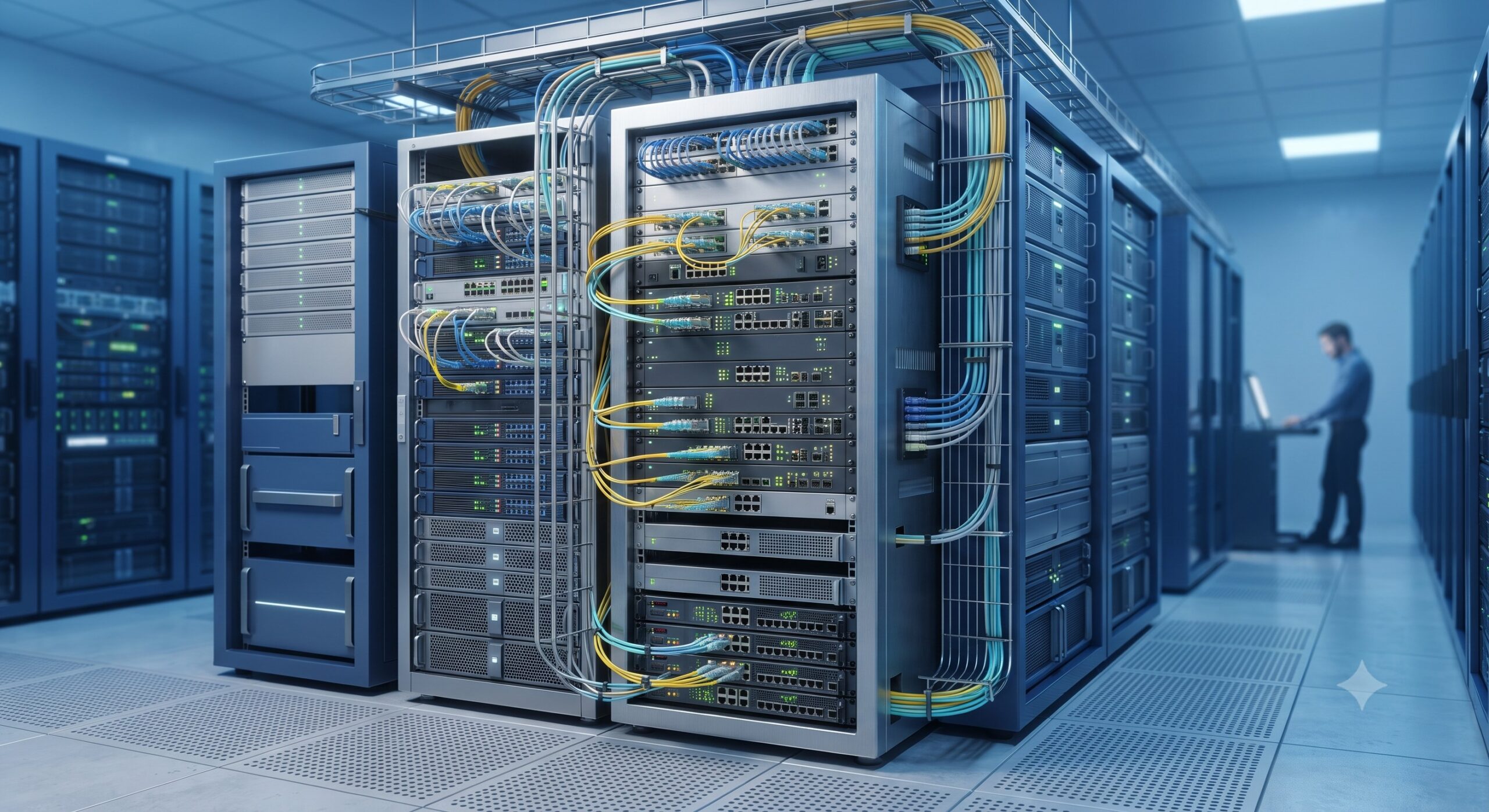
Real-World Deployments and Case Study Integration
The versatility of industrial switches is reflected in their application across diverse sectors.
- Smart Cities & Transportation: In intelligent transportation systems (ITS), ruggedized switches with fiber uplinks enable real-time adaptive traffic control and surveillance. High port density models, such as the Hirschmann GREYHOUND2000, offer up to 34 ports to consolidate fiber-rich connectivity in central hubs .
- Factory Automation: In manufacturing, support for PROFINET and EtherNet/IP ensures deterministic control of robotic cells. Switches with PoE+ can power sensors and HMIs directly, reducing the need for dedicated power outlets on the factory floor .
- Mission-Critical Substations: Deployment in energy substations necessitates compliance with IEEE 1588 Precision Time Protocol (PTP) for accurate time synchronization across protection relays, ensuring grid stability .
Conclusion: The Foundation of Digital Transformation
Industrial Ethernet Switches have evolved from simple connectivity devices to sophisticated, high-performance networking platforms that form the backbone of digital transformation. By delivering carrier-grade reliability, ultra-low latency, and robust cybersecurity features, they enable the convergence of IT and OT networks . Selecting the appropriate switch—whether a hardened unmanaged unit for basic connectivity or a feature-rich managed Layer 3 switch for complex, redundant networks—requires a deep understanding of environmental constraints and performance requirements. As bandwidth demands increase with the proliferation of AI and IIoT applications, investment in high-density, energy-efficient industrial switching will be crucial for future-proofing critical infrastructure.

Leave a comment