

STRATEGIC HARDWARE POSITIONING
In carrier-grade telecommunications infrastructure, the procurement of hardware assets extends far beyond the initial capital expenditure. The warranty agreement serves as the foundational risk mitigation instrument, defining the Original Equipment Manufacturer’s (OEM) contractual commitment to operational continuity, parts availability, and technical remediation. This evaluation report examines the standardized warranty tiers available for telecom equipment, providing network architects and procurement officers with the necessary framework to align asset protection strategies with service-level agreements (SLAs). A precise understanding of warranty types—from standard return-to-factory coverage to comprehensive 24/7 on-site mission-critical support—is essential for optimizing Total Cost of Ownership (TCO) and ensuring long-term network resilience.

TCO EFFICIENCIES
Warranty selection directly influences the predictable operational expenditure (OPEX) profile of a telecom network. Standard warranties typically cover manufacturing defects for a fixed duration, requiring the operator to manage logistics and labor. In contrast, advanced warranty programs bundle hardware replacement, software updates, and advanced replacement logistics into a single recurring cost. This consolidation eliminates unpredictable repair costs and reduces the internal engineering overhead associated with spare parts inventory management. Strategic procurement leverages these tiers to shift risk from the operator to the vendor, particularly in remote or high-density deployments where downtime costs far exceed the premium of an enhanced warranty.
SCALABILITY ADVANTAGES
As network topologies evolve from 100G to 400G and beyond, the warranty must be scalable to match the lifecycle of the platform. Modular warranty structures allow for the extension of coverage on a per-chassis or per-line-card basis, accommodating incremental capacity expansions without requiring a complete contract renegotiation. Furthermore, warranty tiers that include lifetime software support and hardware replacement ensure that the investment remains protected against technological obsolescence and supply chain volatility. The ability to upgrade from a standard 1-year warranty to a 5-year advanced replacement program provides the operational flexibility required for long-term infrastructure planning.
SPECIFICATION REPORT
The following table delineates the primary warranty classifications, their coverage parameters, and associated operational metrics. These specifications are critical for evaluating the alignment of vendor offerings with internal maintenance strategies.
| Warranty Tier | Coverage Scope | Response Time | Logistics Model | Target SLA |
|---|---|---|---|---|
| Standard Limited | Manufacturing Defects Only | Next Business Day | Return-to-Factory (RTF) | Basic Connectivity |
| Enhanced Advance | Defects + Advance Replacement | 4-Hour Dispatch | Advance Replacement | Business-Critical |
| Mission-Critical 24/7 | Defects + On-Site Labor | 2-Hour On-Site | On-Site Technician | Carrier-Grade Uptime |
| Lifetime Assurance | Hardware + Software Updates | Next Business Day | Advance Replacement | Long-Term Infrastructure |
SAFETY CERTIFICATIONS
All warranty programs are contingent upon adherence to the OEM’s specified installation and operational guidelines. Compliance with regional safety directives—including UL, CE, and NEBS Level 3—is a prerequisite for warranty validation. The warranty terms further stipulate that unauthorized modifications or repairs performed by non-certified personnel will void coverage. Therefore, a robust procurement strategy must include verification of the deployment environment against the hardware’s certified operational envelope. The warranty documentation serves as a binding technical compliance register, ensuring that the asset is utilized within its designed tolerances.
VISUAL DEPLOYMENT SUMMARY
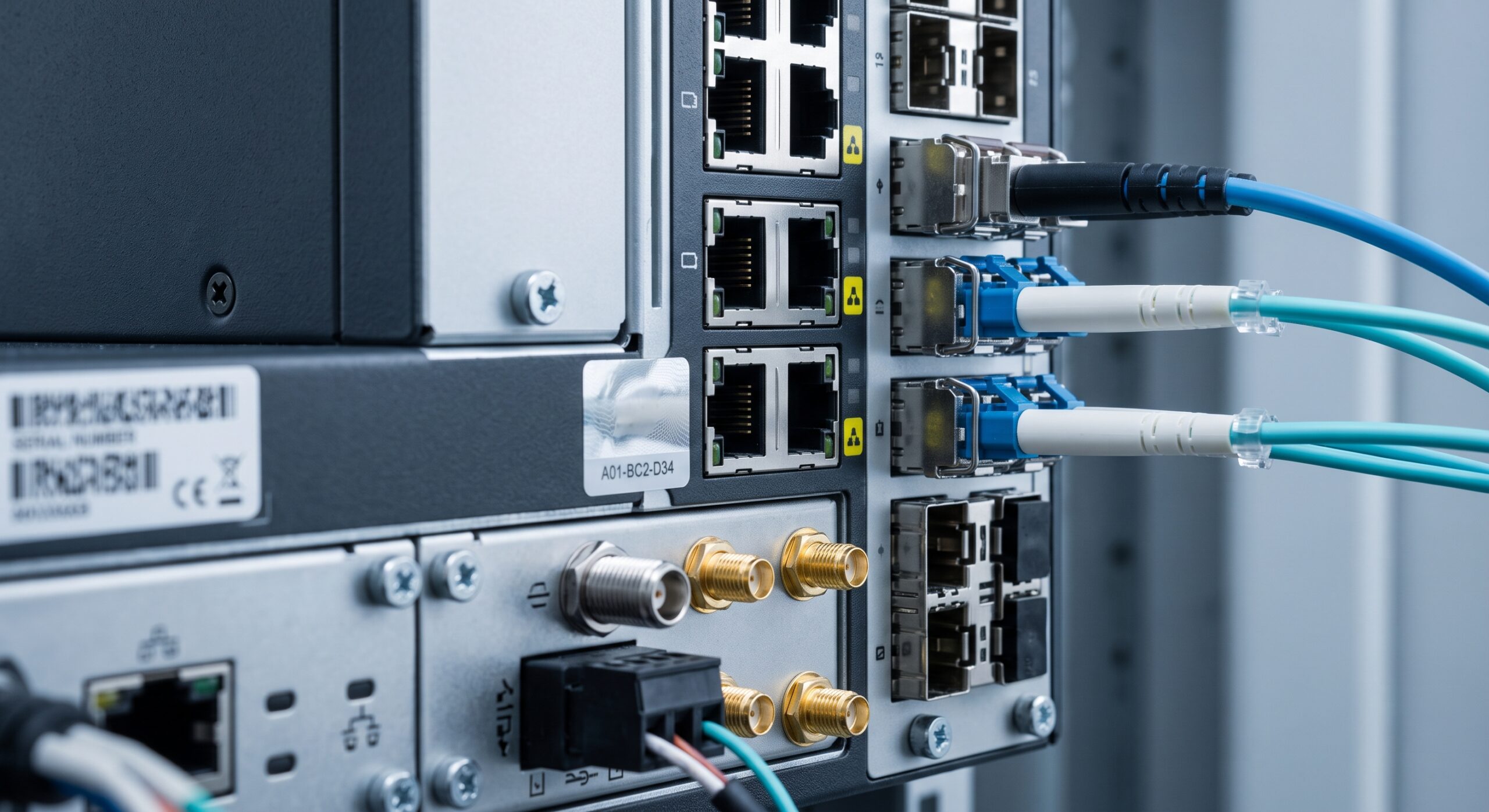
The lifecycle management of telecom assets requires a holistic view that integrates warranty data with real-time network monitoring. The following visual summarizes the interaction between warranty tier selection, deployment environment, and expected operational availability.
📥 Download Technical Specification
Click the button below to view or download the full official PDF datasheet.

Leave a comment